


WSJ: Pentagon Tells US Lawmakers it Needs $80 Billion for Iran War and other Bills
Summarized and contextualized by DistantNews.
At a glance
News
Sources not specified
Ongoing story
- US-Iran talks on a Middle East conflict pact were canceled on Friday.
- Vice President JD Vance postponed his trip to Geneva, adding to diplomatic uncertainty.
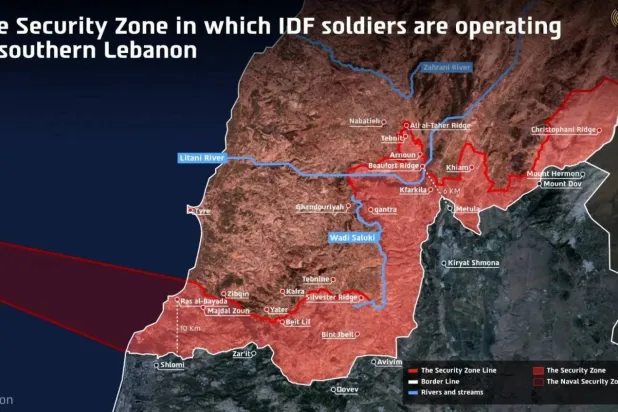
- The conflict, which began Feb. 28 with US and Israeli air attacks on Iran, has caused at least 7,000 deaths and soaring energy prices.
Diplomatic efforts to broker a Middle East conflict pact between the US and Iran have hit a significant snag, with talks scheduled for Friday in Switzerland abruptly canceled. Vice President JD Vance, who was set to lead the US delegation, has postponed his travel plans to Geneva, casting further doubt on the possibility of a lasting truce. Switzerland's foreign ministry confirmed the cancellation but offered no specific reasons, adding to the prevailing uncertainty. The White House acknowledged the inherent complexities of such negotiations, stating that "the logistics of these negotiations have never been simple or predictable." Iran had previously indicated readiness for technical talks following a 14-point accord that extended a fragile ceasefire. However, its delegation's travel to Geneva was contingent on observing signs of US implementation of the interim deal, according to semi-official Tasnim news agency. The conflict, which erupted on February 28 with joint US and Israeli air attacks on Iran, has resulted in a devastating toll, claiming at least 7,000 lives. The war has also sent shockwaves through global markets, triggering a sharp rise in energy prices and exacerbating economic instability. Adding another layer of complexity, Israel, which was excluded from the peace talks, has distanced itself from the US-Iran accord. It continues its military operations against the Iran-backed Hezbollah militant group in Lebanon, raising further questions about the potential longevity of any agreement. Domestically, some Republican allies of President Donald Trump in Congress have voiced concerns, questioning whether the president conceded too much to achieve a resolution, especially with mid-term elections looming. Trump had initially pledged to end the war only through Iran's "UNCONDITIONAL SURRENDER." However, the signed memorandum offers Iran relief from economic sanctions, unfreezes billions of dollars in assets, and provides immediate waivers for its oil exports. Supreme Leader Mojtaba Khamenei suggested Trump signed the deal out of "desperation," signaling that negotiations over Iran's nuclear program, a key reason cited for initiating the war, would likely remain contentious. He warned that Iran would not accept overly demanding terms from the American side. The agreement provides a 60-day window for negotiators to finalize terms on Iran's nuclear program, with provisions for extension, and establishes a $300 billion reconstruction fund for Iran, alongside other financial incentives. The escalating cost of the war has also come under scrutiny, with the US Department of Defense informing lawmakers of a need for $80 billion to cover war expenses and other bills.
The logistics of these negotiations have never been simple or predictable.
DistantNews Editorial
Originally published by Asharq Al-Awsat. Summarized and contextualized by our editorial team with added local perspective. Read our editorial standards.
More Stories


From Our Blog

What Gets Lost (and Found) When News Is Translated

The Critical Role of Diaspora Media in Global News

What Travellers Should Know About Countries with Restricted Press

A Digital Nomad's Guide to Following Local News

How the Same Story Looks Different in Different Countries
