


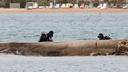
WWII munitions rusting at sea pose toxic threat to marine life
Translated from Croatian, summarized and contextualized by DistantNews.
At a glance
News
Sources not specified
Context piece
- Thousands of tons of leftover munitions from World War II and post-war disposal are rusting on the seabed off Germany's coast.
- As metal casings corrode, toxic compounds like TNT are leaching into the marine ecosystem, harming fish and other sea life.
- Researchers are investigating the potential risks to the food chain and human health from consuming contaminated seafood.
Thousands of tons of World War II-era munitions are slowly rusting on the seabed off Germany's northern coast, posing a growing environmental threat. These submerged weapons, part of an estimated 1.6 million tons of conventional ordnance in the North and Baltic Seas, were once considered primarily an explosive hazard. However, as their metal casings corrode, they are releasing toxic compounds into the marine environment.
It is clear that due to the corrosion of these objects, compounds are entering the marine ecosystem and marine life.
Toxicologists and researchers have found evidence of these harmful substances, including TNT and its byproducts, in marine life. Studies have detected these compounds in flatfish, with over 50% of fish living near munition dumps showing liver abnormalities, compared to only 1-2% in fish elsewhere. Shellfish have also exhibited signs of oxidative stress. These chemicals have even been found in the tissue of stranded whales, indicating they have reached the top of the marine food chain.
We find TNT in fish, or let's say, metabolized breakdown products of TNT.
The potential implications for human health are a growing concern. While current levels in fish fillets are considered low, and scientists do not believe consuming seafood poses an acute risk, the long-term effects of ingesting these toxins remain under investigation. The research highlights a significant, emerging environmental challenge from the legacy of past conflicts.
What we see are tumors on the liver.
DistantNews Editorial
Originally published by Večernji List in Croatian. Translated, summarized, and contextualized by our editorial team with added local perspective. Read our editorial standards.
More Stories

From Our Blog

What Gets Lost (and Found) When News Is Translated

The Critical Role of Diaspora Media in Global News

What Travellers Should Know About Countries with Restricted Press

A Digital Nomad's Guide to Following Local News

How the Same Story Looks Different in Different Countries
