

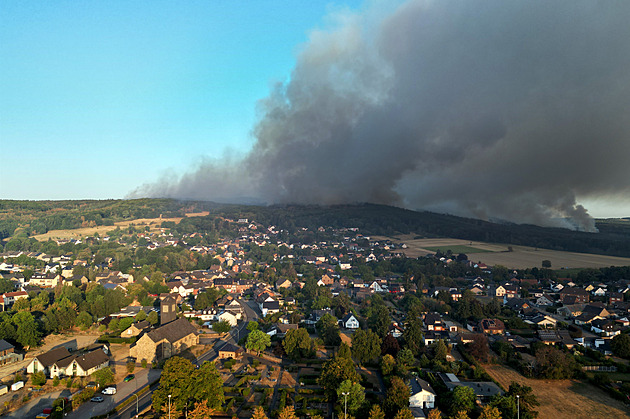

WWII phosphorus grenade activates in dried-up French pond due to heat
Translated from Czech, summarized and contextualized by DistantNews.
At a glance
News
Sources not specified
Outcome reported
- A World War II-era phosphorus grenade activated due to heat in a dried-up pond in eastern France.
- The pond's water level dropped significantly due to successive summer heatwaves.
- The discovery and activation of the munition highlight the lingering dangers of historical ordnance.
A World War II-era phosphorus grenade spontaneously activated after being exposed by a severe drought in eastern France. The munition surfaced in a pond that has largely dried up due to consecutive summer heatwaves plaguing the region.
The extreme temperatures and lack of rainfall have caused water levels to drop dramatically, revealing the hazardous relic from the war. The heat itself is believed to have triggered the phosphorus, a highly volatile substance that ignites spontaneously upon contact with air.
This incident serves as a stark reminder of the unexploded ordnance that remains buried across Europe, posing a persistent threat decades after the conflict ended. The discovery in the French pond underscores the dangers associated with historical weapons, especially as environmental conditions change and expose them.
Authorities are likely assessing the situation to ensure public safety and manage the hazardous material. The event highlights the ongoing, often unseen, risks inherited from past conflicts, exacerbated by current environmental challenges.
DistantNews Editorial
Originally published by iDNES in Czech. Translated, summarized, and contextualized by our editorial team with added local perspective. Read our editorial standards.
More Stories


From Our Blog

What Gets Lost (and Found) When News Is Translated

The Critical Role of Diaspora Media in Global News

What Travellers Should Know About Countries with Restricted Press

A Digital Nomad's Guide to Following Local News

How the Same Story Looks Different in Different Countries
