


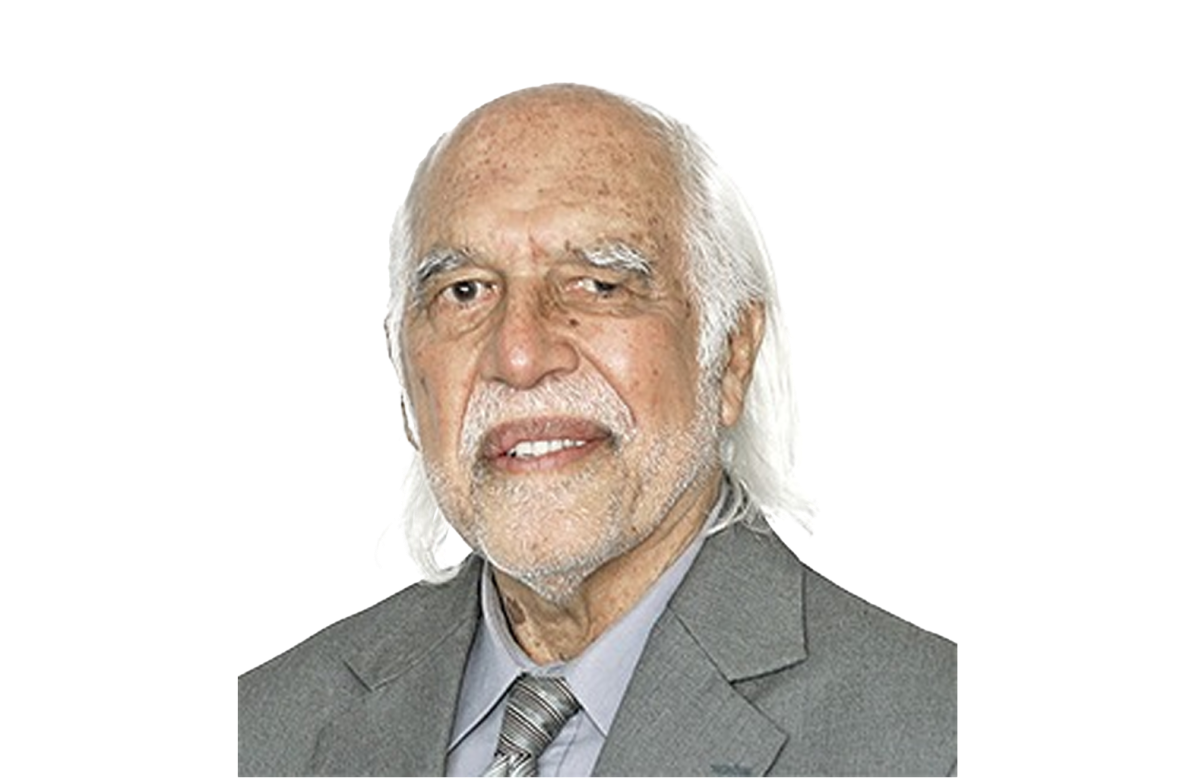
XXIII International Book Fair in Guatemala to honor Rigoberta Menchú Tum
Translated from Spanish, summarized and contextualized by DistantNews.
At a glance
News
Sources not specified
New plan
- Guatemala is hosting its 23rd International Book Fair (Filgua) from June 7-19.
- The event is dedicated to Nobel Peace Prize laureate Rigoberta Menchú Tum and the 30th anniversary of the Peace Accords.
- Germany is the guest country, with over 840 activities planned, including book presentations and author encounters.
Guatemala is preparing to host the 23rd International Book Fair (Filgua), an event dedicated to fostering a nation of readers. The fair, running from June 7-19 at Fórum Majadas in Guatemala City, will honor Dr. Rigoberta Menchú Tum, the 1992 Nobel Peace Prize laureate, and commemorate the 30th anniversary of the signing of the Peace Accords. Germany will be the guest country for this significant cultural celebration. Filgua is the product of visionary entrepreneurs organized within the Guatemalan Publishers' Guild (GEG), who established the fair in 2000 in collaboration with the Ministry of Culture and Sports. Building on its success, a version for other regions, "Libro al Viento," was introduced in 2023, with its fourth iteration held in Retalhuleu in May. This year's Filgua promises an extensive program, featuring 840 activities, including 214 book presentations, and encounters with authors, commentators, and specialists over 13 days. German Ambassador to Guatemala, Friederike Hellner, highlighted the fair's dedication to Dr. Menchú Tum, quoting her statement: "Peace is the daughter of coexistence, education, and dialogue." Germany's participation, themed "Stories that Build Bridges," aims to connect people across oceans and overcome differences through narratives. Key themes for Germany's presence include democracy and the rule of law, historical memory, and the history of Germans in Guatemala. The fair also shines a spotlight on Dr. Menchú Tum, a K'iche' leader and human rights defender, particularly for indigenous peoples. Her 1992 Nobel Peace Prize was awarded in a context where her work was not fully understood or appreciated in Guatemala, a situation attributed to deep-rooted structural racism dating back to the arrival of Pedro de Alvarado in 1542. This historical racism continues to manifest today, influencing the nation's social and political landscape.
DistantNews Editorial
Originally published by Prensa Libre in Spanish. Translated, summarized, and contextualized by our editorial team with added local perspective. Read our editorial standards.
More Stories


From Our Blog

What Gets Lost (and Found) When News Is Translated

The Critical Role of Diaspora Media in Global News

What Travellers Should Know About Countries with Restricted Press

A Digital Nomad's Guide to Following Local News

How the Same Story Looks Different in Different Countries
