

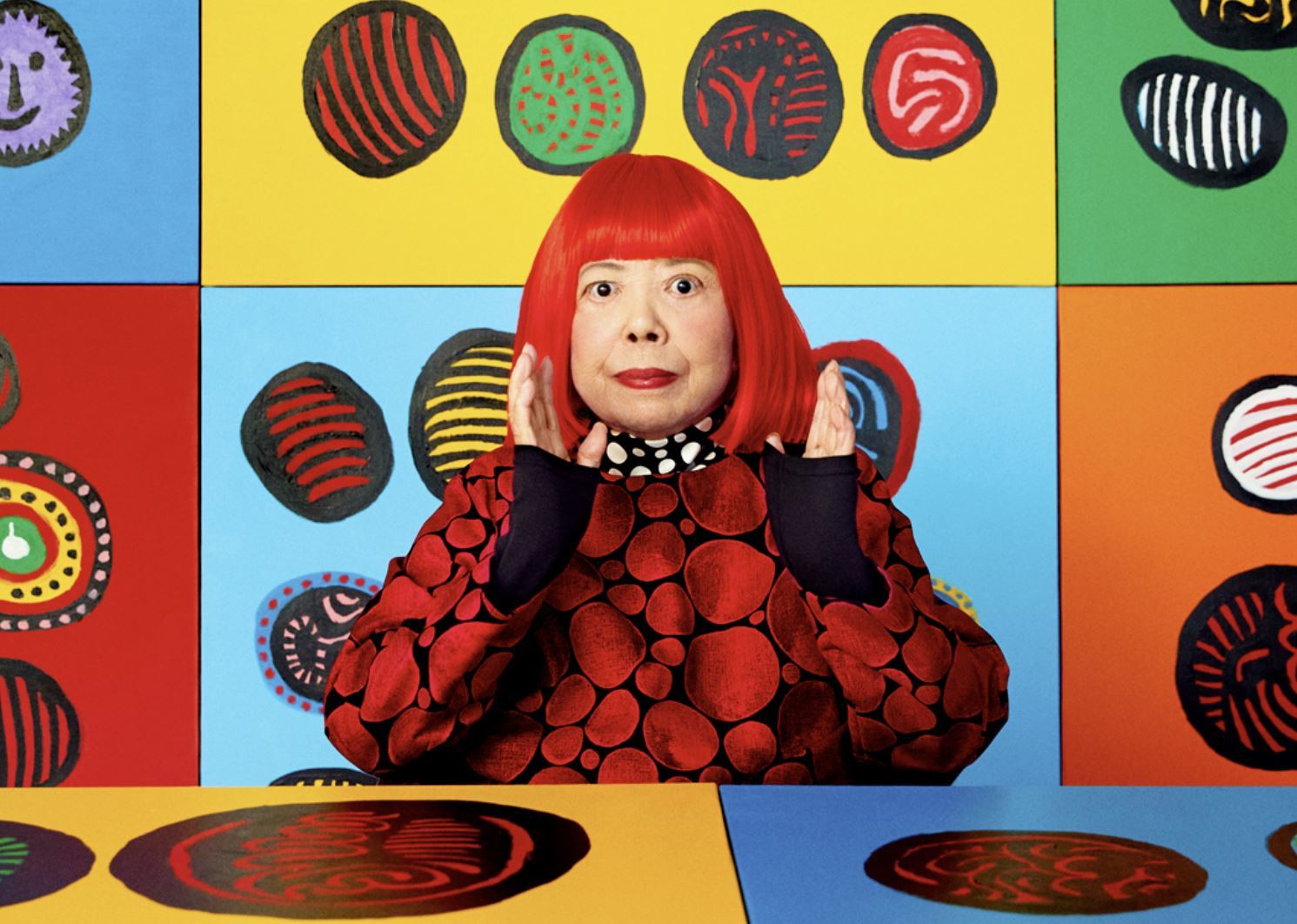

Yayoi Kusama, renowned contemporary artist known for polka dots, dies at 97
Translated from Korean and summarized by DistantNews. Read the original for the full story.
At a glance
News
Sources not specified
Outcome reported
- Yayoi Kusama, the celebrated contemporary artist known for her iconic polka dot motifs and immersive installations, passed away on September 14 at the age of 97 due to multiple organ failure.
- Born in Nagano, Japan, Kusama transformed her childhood hallucinations into art, developing a unique style characterized by repetitive patterns of dots and nets, which she explored through various mediums including painting, sculpture, and installation art.
- Her prolific career spanned decades and continents, with significant contributions to avant-garde movements in New York and later in Japan, earning her numerous accolades, including the French Order of Arts and Letters and Japan's Order of Cultural Merit.
Yayoi Kusama, the globally acclaimed contemporary artist celebrated for her vibrant "polka dot pumpkins" and immersive "Infinity Mirror Rooms," has died at the age of 97. Japanese media reported her passing on September 27, stating that she succumbed to multiple organ failure on September 14.
Born in Nagano, Japan, Kusama's artistic journey was deeply intertwined with her personal experiences. She began experiencing hallucinations in her childhood, which she channeled into her art by meticulously rendering repetitive patterns of dots and nets. This unique approach allowed her to transform psychological distress into a distinctive artistic language. Her early work explored various mediums, including watercolors, pastels, and oil paints, establishing her unique visual style.
In her late twenties, Kusama moved to the United States, settling in New York in 1957. She quickly became a prominent figure in the avant-garde scene, gaining recognition for her innovative soft sculptures made from stitched fabric and her groundbreaking installation art, which often utilized mirrors and lights to create disorienting and expansive environments. Her signature "net painting," characterized by the obsessive repetition of a single motif to create a vast, net-like appearance, cemented her unique artistic territory. The artist's official website described her philosophy as "self-obliteration through the obsessive repetition and proliferation of a single motif."
Beyond traditional art forms, Kusama was a multifaceted artist who actively engaged in body painting, fashion shows, filmmaking, and even publishing newspapers, solidifying her status as an avant-garde artist. Her work in film garnered awards at international festivals in the late 1960s, and she also received recognition for her novel "The Hustler's Court" in 1983. Upon returning to Japan in 1973, she focused on large-scale outdoor sculptures and installations, including her iconic "Infinity Mirror Room" series.
Kusama's relentless creative output continued throughout her life. The "My Eternal Soul" series, comprising over 900 paintings created between 2009 and 2012, exemplifies her enduring dedication. Her work consistently explored themes of nature, love, and the infinite, demonstrating a profound and diverse creative spirit. Her contributions were recognized with prestigious awards, including the French Order of Arts and Letters (Officier) in 2003 and Japan's Order of Cultural Merit in 2009, culminating in the highly esteemed Order of Culture in 2016. Kusama also enjoyed significant popularity in South Korea, with her 2014 exhibition at the Seoul Arts Center attracting over 90,000 visitors within a month. Her "Pumpkin" series, in particular, resonated deeply, with a 1981 yellow "Pumpkin" selling for a record 5.45 billion won at a Korean auction in 2021.
About this summary
Originally published by Hankyoreh in Korean. Translated, summarized, and contextualized automatically by DistantNews, with a note on how the source frames the story. Not individually reviewed before publishing. How this works.
More Stories



From Our Blog

What Gets Lost (and Found) When News Is Translated

The Critical Role of Diaspora Media in Global News

What Travellers Should Know About Countries with Restricted Press

A Digital Nomad's Guide to Following Local News

How the Same Story Looks Different in Different Countries
