

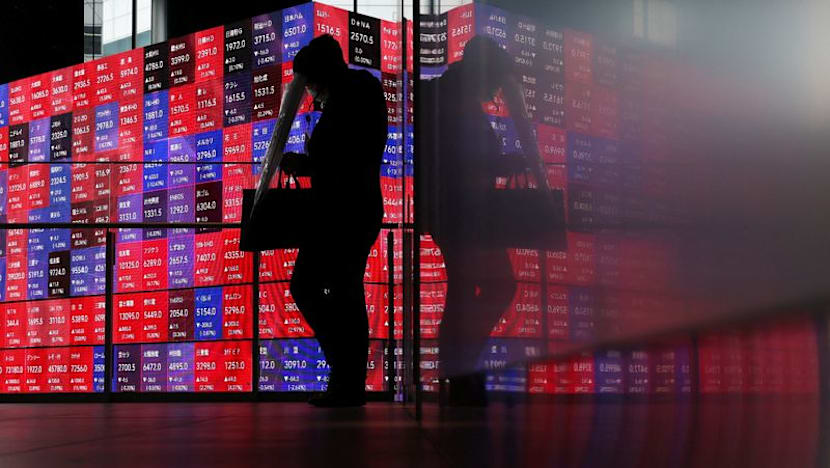
Yen finds footing after intervention, dollar near 6-week low on Mideast hopes
Summarized and contextualized by DistantNews.
At a glance
News
Sources not specified
Context piece
- The Japanese yen stabilized against the U.S. dollar following intervention efforts and strong U.S. support.
- The dollar weakened to a six-week low amid renewed optimism about a resolution in the Middle East.
- Falling oil prices eased inflation concerns, reducing the likelihood of a Federal Reserve rate hike in September.
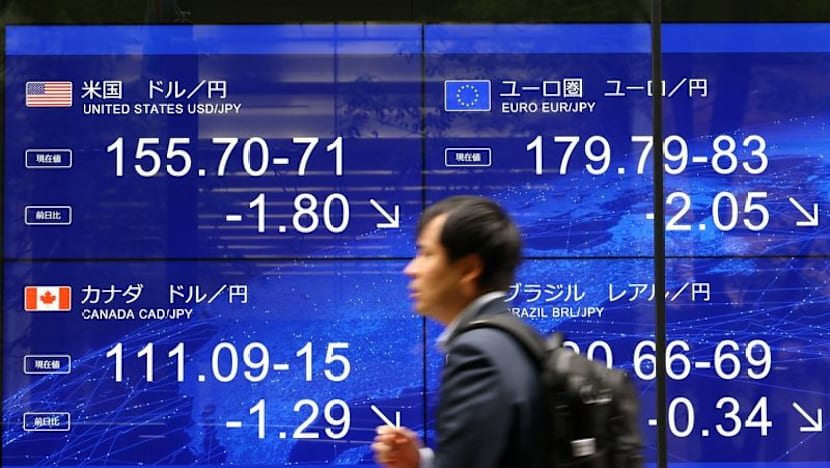
Currency markets saw a pause on Wednesday as the Japanese yen firmed slightly after recent intervention efforts and a strong show of support from the United States. The yen traded at 157.60 per U.S. dollar, recovering from a recent dip and remaining well above its 40-year lows. U.S. Treasury Secretary Scott Bessent affirmed the U.S. would "do whatever it takes" to help stabilize the yen, following last week's joint intervention by Washington and Tokyo. Bessent also expressed confidence that Bank of Japan Governor Kazuo Ueda would act in the country's best economic interest, fueling expectations of a potential rate hike by the BOJ.
With U.S. involvement adding credibility to the intervention, and with warnings that further coordinated action remains possible, the move has given authorities an effective tool to buy time while they wait for fundamental factors to turn more positive.
"With U.S. involvement adding credibility to the intervention, and with warnings that further coordinated action remains possible, the move has given authorities an effective tool to buy time while they wait for fundamental factors to turn more positive," wrote Tony Sycamore, a market analyst at IG. The U.S. dollar index, which measures the dollar against six major currencies, remained near a six-week low, struggling for direction.
Oil prices continued their decline, with Brent crude futures falling further. This retreat was attributed to signs of potential diplomatic progress in the Iran conflict, easing fears of supply disruptions and prompting traders to reduce risk premiums. Comments from Qatari and U.S. officials fueled hopes for a negotiated resolution, impacting crude benchmarks. Qatar indicated that mediators were making progress in efforts to end the war, raising expectations that oil flows through the Strait of Hormuz could improve.
The U.S. will do "whatever it takes" to support Japan's efforts to stabilize the yen.
The easing oil prices also influenced U.S. Treasury yields, pushing two-year yields near two-week lows. This development led markets to reprice the odds of a Federal Reserve interest rate hike in September, with the probability decreasing. Attention is now shifting to upcoming U.S. labor market data, particularly the non-farm payrolls figures, as markets assess the near-term outlook for Federal Reserve policy.
I am sure Bank of Japan Governor Kazuo Ueda will "do what is best" for the country's economy.
DistantNews Editorial
Originally published by CNA. Summarized and contextualized by our editorial team with added local perspective. Read our editorial standards.
More Stories


From Our Blog

What Gets Lost (and Found) When News Is Translated

The Critical Role of Diaspora Media in Global News

What Travellers Should Know About Countries with Restricted Press

A Digital Nomad's Guide to Following Local News

How the Same Story Looks Different in Different Countries
