


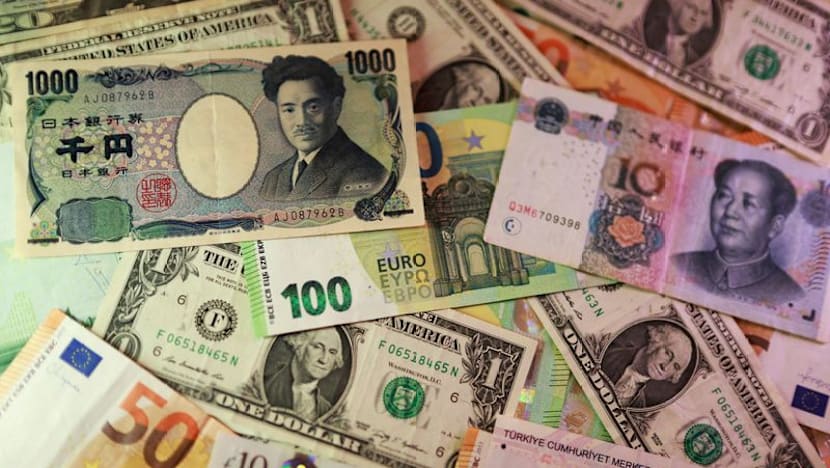
Yen hits 40-year low against dollar as U.S. yields climb
Translated from English, summarized and contextualized by DistantNews.
At a glance
News
Sources not specified
Context piece
- The Japanese yen hit a 40-year low against the U.S. dollar, reaching 162.84 yen per dollar.
- This decline occurred as U.S. Treasury yields rose, strengthening the dollar ahead of U.S. jobs data.
- Japanese authorities previously intervened to support the yen and may consider further action if needed.
The Japanese yen has fallen to a 40-year low against the U.S. dollar, trading as high as 162.84 yen per dollar on Wednesday. This sharp depreciation follows a significant rise in U.S. Treasury yields, which has bolstered the dollar's strength. The decline occurred just ahead of crucial U.S. jobs data, which could further solidify expectations for a Federal Reserve interest rate hike this month.
We believe we are close to potential action.
Japanese authorities previously intervened in currency markets a few weeks ago to support the weakening yen. Chidu Narayanan, head of macro strategy for APAC at Wells Fargo, suggested that potential intervention is nearing, stating, "We believe we are close to potential action." He added that current levels are critical for the Ministry of Finance to maintain credibility through intervention.
We are at crucial levels, not necessarily in terms of a target spot level, but levels where the (Ministry of Finance) might need to intervene to retain its credibility.
Traders are anticipating that Japan's Friday public holiday, with its thinner liquidity, could provide an opportune window for Tokyo to intervene in the market, potentially amplifying the impact. Atsushi Mimura, Japan's top currency diplomat, noted that previous intervention efforts were effective and received support from some U.S. officials. HSBC's Joey Chew observed that Japan's Ministry of Finance appears more tolerant of yen weakness than in the past, possibly due to broad dollar strength and easing inflationary pressures from falling oil prices. The ministry might also be waiting for a weaker U.S. jobs report or strategically allowing speculative positioning to build before intervening.
intervention two months ago to support the yen had been effective, and that some U.S. officials had been "supportive" of the move
DistantNews Editorial
Originally published by CNA in English. Translated, summarized, and contextualized by our editorial team with added local perspective. Read our editorial standards.
More Stories



From Our Blog

What Gets Lost (and Found) When News Is Translated

The Critical Role of Diaspora Media in Global News

What Travellers Should Know About Countries with Restricted Press

A Digital Nomad's Guide to Following Local News

How the Same Story Looks Different in Different Countries
