


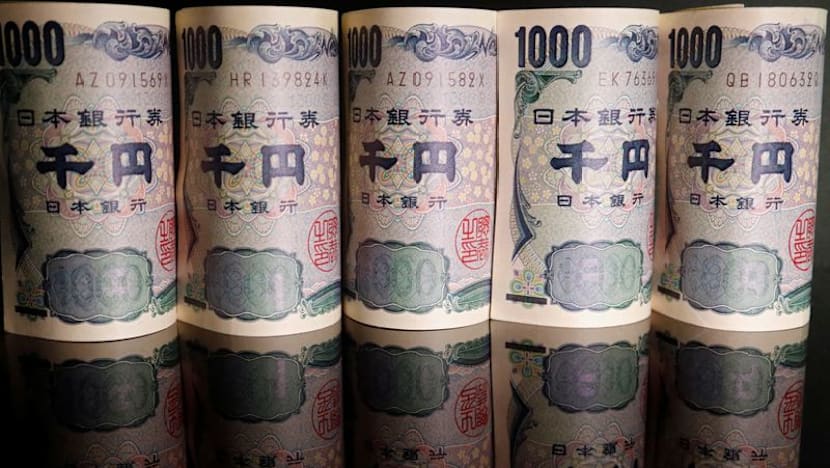
Yen hits key 160 level for third session, dollar buoyed by Gulf woes
Summarized and contextualized by DistantNews.
At a glance
News
Sources not specified
Context piece
- The Japanese yen briefly touched the 160 per dollar mark for the third consecutive session on Friday, prompting warnings from Japanese officials about potential intervention.
- The U.S. dollar is poised for a weekly gain, bolstered by safe-haven flows amid escalating tensions in the Middle East.
- Japan's real wages saw a 1.9 percent increase in April, marking the fourth consecutive monthly rise, a factor the Bank of Japan considers for potential interest rate hikes.
The Japanese yen is once again testing the critical 160 per dollar level, a threshold that markets widely view as a potential trigger for official intervention. On Friday, the yen briefly weakened to this mark for the third straight session, despite verbal warnings from Japanese authorities. Finance Minister Satsuki Katayama reiterated Japan's readiness to take "decisive action" against excessive currency volatility.
This persistent weakness means the yen is on track for its fourth consecutive weekly decline, a streak not seen since February. Previous intervention efforts in late April, which cost an estimated $73 billion, provided only a temporary reprieve. Market analysts suggest that for the yen to sustainably strengthen, the dollar would need to fall below 155, a challenging prospect given current macroeconomic headwinds.
Japan is ready to respond appropriately at any time on foreign exchange and reserves the right to take "decisive action" against excessive volatility.
These headwinds include elevated energy prices, robust U.S. economic data, and higher yields, all of which support the dollar. Adding to the dollar's strength are safe-haven flows driven by renewed tensions in the Middle East. Exchanges between Iranian and U.S. forces have pushed oil prices above $90 per barrel, further bolstering demand for the dollar as a secure asset.
On the domestic front, Japan's real wages rose 1.9 percent in April from a year earlier, marking the fourth consecutive monthly increase. This data is significant as the Bank of Japan considers steady wage and price growth essential for any future interest rate hikes. The BOJ is expected to consider raising rates unless a sharp escalation in Middle East conflict disrupts markets, especially as rising fuel costs exacerbate inflationary pressures.
The critical question remains whether officials are willing to resume their battle against formidable macro headwinds including elevated energy prices, robust U.S. data, and higher yields.
DistantNews Editorial
Originally published by CNA. Summarized and contextualized by our editorial team with added local perspective. Read our editorial standards.
More Stories



From Our Blog

What Gets Lost (and Found) When News Is Translated

The Critical Role of Diaspora Media in Global News

What Travellers Should Know About Countries with Restricted Press

A Digital Nomad's Guide to Following Local News

How the Same Story Looks Different in Different Countries
