

Young otter confirmed on Zealand for first time in 50 years, signaling nature's recovery
Translated from Danish, summarized and contextualized by DistantNews.
At a glance
News
Sources not specified
Context piece
- A young otter has been confirmed on the Danish island of Zealand for the first time since the 1970s.
- This discovery indicates that otters are breeding again in Zealand's natural habitats.
- The event is considered a milestone for Danish nature, showing recovery potential for species when given space and peace.
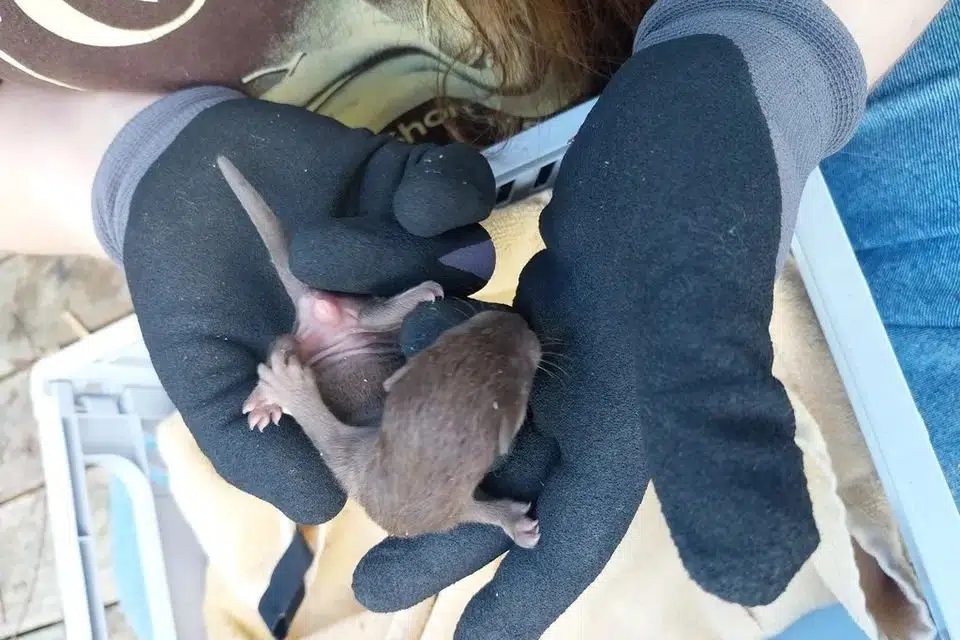
For the first time since the 1970s, a young otter has been confirmed on the Danish island of Zealand, marking a significant return for the species. The discovery, announced by Dyrenes Beskyttelse (Animal Protection Denmark), confirms that otters are once again breeding in Zealand's natural environments.
Biologist Peter Gravlund Nielsen, project manager for fauna at Dyrenes Beskyttelse, called the finding "a milestone for Danish nature." He emphasized the otter's role as a top predator in aquatic ecosystems, stating its rightful place in Denmark's streams, lakes, and fjords. "When it breeds again on Zealand, it shows that nature can regain some of what has been lost if the species are given peace and space," he said in a press release.
a milestone for Danish nature.
Historically, otters were intensely hunted in Denmark until the 1960s, when they were considered pests, leading to a drastic decline in their population. Danish otters were granted protected status in 1967. Today, the otter population is widespread throughout Jutland, and the species is also making a comeback on the island of Funen.
While there have been isolated sightings and DNA traces of otters on Zealand in recent years, this is the first time a young otter has been verifiably documented. The confirmation signifies a positive development for biodiversity and the health of Denmark's aquatic habitats.
The otter is a top predator in the aquatic environment, and it belongs in our streams, lakes, and fjords. When it breeds again on Zealand, it shows that nature can regain some of what has been lost if the species are given peace and space.
DistantNews Editorial
Originally published by Berlingske in Danish. Translated, summarized, and contextualized by our editorial team with added local perspective. Read our editorial standards.
More Stories



From Our Blog

What Gets Lost (and Found) When News Is Translated

The Critical Role of Diaspora Media in Global News

What Travellers Should Know About Countries with Restricted Press

A Digital Nomad's Guide to Following Local News

How the Same Story Looks Different in Different Countries
