


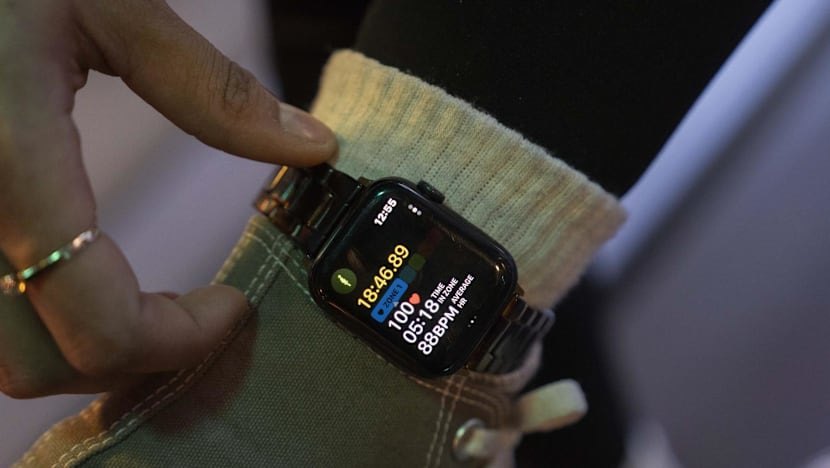
Your wearable tracks countless health metrics, but which ones are worth paying attention to?
Summarized and contextualized by DistantNews.
At a glance
News
Sources not specified
Context piece
- Wearable devices like smartwatches track numerous health metrics, but doctors question the clinical usefulness of many.
- While some metrics, like atrial fibrillation detection and step counts, offer valuable insights, others like blood pressure and sleep stages lack accuracy.
- Doctors are still determining which wearable data is medically meaningful and how it can best be used to improve health outcomes.
Wearable devices, from smartwatches to smart rings, offer a constant stream of health data, including step counts, heart rate, sleep quality, and calories burned. Surveys indicate that around 40% of Americans use such devices, with ownership higher among younger, fitter individuals. However, many medical professionals remain skeptical, suggesting that only a fraction of the metrics provided are clinically significant.
many wearable metrics fall short of medical standards, and there is little data to prove that using them improves health outcomes.
Dr. Zahi Fayad, director of the BioMedical Engineering and Imaging Institute at Mount Sinai Hospital in New York, acknowledges the potential for wearables to aid remote patient monitoring and early disease detection. Yet, he notes that many current metrics do not meet medical standards, and robust data proving their impact on health outcomes is still limited. Patients sometimes present doctors with wearable data, seeking answers for confusing readings, while some companies are beginning to offer clinician consultations through their apps.
some wearable devices can flag atrial fibrillation, a potentially dangerous heart rhythm abnormality.
Certain wearables, such as continuous glucose monitors, are prescribed by doctors and adhere to medical-grade standards. For over-the-counter devices, physicians tend to focus on a select few metrics. Dr. Erica Spatz, director of the preventive cardiovascular health program at Yale School of Medicine, points to atrial fibrillation detection as a key example. An Apple Watch study found its irregular pulse notifications correctly identified atrial fibrillation 84% of the time when compared to medical-grade electrocardiogram patches.
Studies have tied getting about 7,000 steps a day to a lower risk of cardiovascular disease, Type 2 diabetes and dementia.
Metrics like step counts can provide doctors with a clear picture of a person's activity level, with studies linking around 7,000 steps daily to reduced risks of cardiovascular disease, Type 2 diabetes, and dementia. Basic sleep patterns, including consistency and duration, are also considered useful by sleep physicians like Dr. Cheri Mah, who noted that popular wearables agreed with gold-standard sleep studies over 90% of the time in distinguishing sleep from wakefulness. However, Spatz cautions that measurements for blood pressure, blood oxygen, and detailed sleep stages are often inaccurate on wearables. Other metrics, such as VO2 max and heart rate variability, offer rough fitness indicators but are not yet reliable for medical decision-making.
Basic sleep patterns – when you go to bed, when you wake up and how much total sleep you get – can similarly be useful, since both sleep consistency and duration are important.
DistantNews Editorial
Originally published by CNA. Summarized and contextualized by our editorial team with added local perspective. Read our editorial standards.
More Stories



From Our Blog

What Gets Lost (and Found) When News Is Translated

The Critical Role of Diaspora Media in Global News

What Travellers Should Know About Countries with Restricted Press

A Digital Nomad's Guide to Following Local News

How the Same Story Looks Different in Different Countries
