

YouTube defends video falsely claiming Bondi Beach massacre survivor is ‘crisis actor’
Summarized and contextualized by DistantNews.
At a glance
News
Named sources
Under investigation
- YouTube defended its decision to keep a video online that falsely accused a Bondi Beach massacre survivor of being a 'crisis actor'.
- Google Australia manager Rachel Lord testified that the decision was made at 'quite senior levels' and met platform standards.
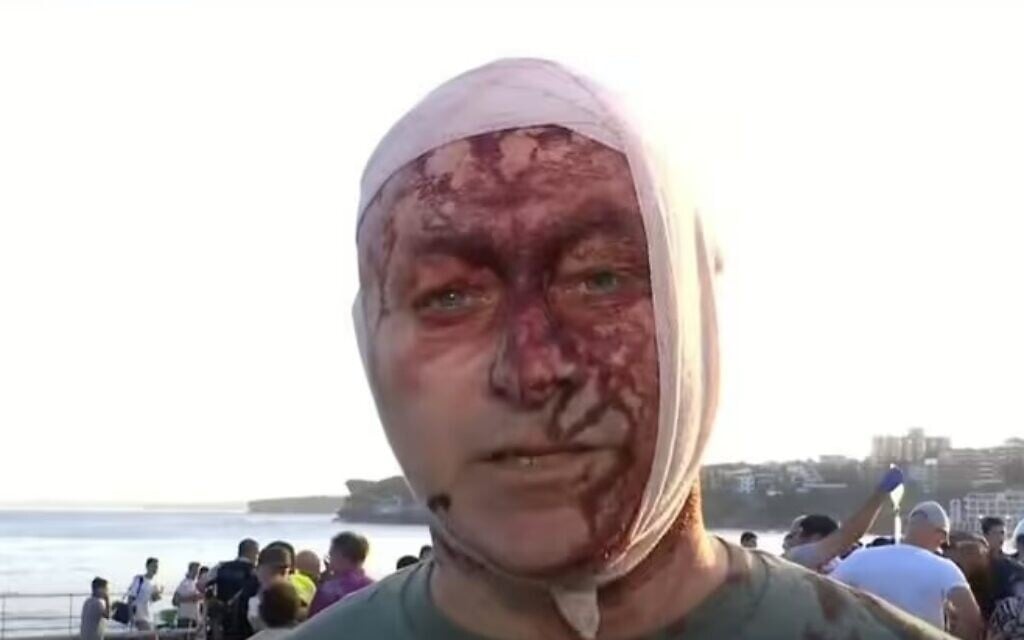
- The survivor, Arsen Ostrovsky, was targeted online after an image of his head wound circulated, with the video suggesting makeup was used.
A Google executive defended YouTube's decision to allow a video falsely claiming a survivor of a Sydney antisemitic massacre was a 'crisis actor' to remain online, stating the choice was made at 'quite senior levels' and complied with the platform's standards. Rachel Lord, Google Australia manager, testified before a government inquiry into the spread of antisemitism in Australia.
We have spent a lot of time thinking about where we draw the line and we continue to re-evaluate where we are doing that.
The inquiry is examining an attack by two terrorists on a Hanukkah celebration in Sydney in December, which resulted in 15 deaths. Lord was questioned specifically about a video targeting survivor Arsen Ostrovsky, who was attacked online after an image of his bleeding head wound was posted on X. The video in question suggested Ostrovsky's injury was staged with makeup and labeled him an 'intelligence asset' with a 'degree in theater,' also claiming the massacre was a 'false flag operation.'
very crisis actor-ish
Lord acknowledged that the decision to keep the video on YouTube had undergone review by senior management. She stated, "We have spent a lot of time thinking about where we draw the line and we continue to re-evaluate where we are doing that." The lawyer leading the inquiry's evidence, Richard Lancaster, referred to a transcript of the video, describing the claims made against Ostrovsky.
makeup
Lancaster suggested that the video's continued presence online indicated a 'really serious deficiency' in YouTube's hate speech guidelines. Lord responded by appreciating his 'feedback.' YouTube had previously informed Australia's online safety regulator that it was 'focused on ensuring Australians and all users around the world have access to high quality information about the tragic events.' Ostrovsky had testified last month about experiencing online hate, abuse, and AI manipulation since sustaining his injury.
intelligence asset
DistantNews Editorial
Originally published by Times of Israel. Summarized and contextualized by our editorial team with added local perspective. Read our editorial standards.
More Stories

From Our Blog

What Gets Lost (and Found) When News Is Translated

The Critical Role of Diaspora Media in Global News

What Travellers Should Know About Countries with Restricted Press

A Digital Nomad's Guide to Following Local News

How the Same Story Looks Different in Different Countries
