


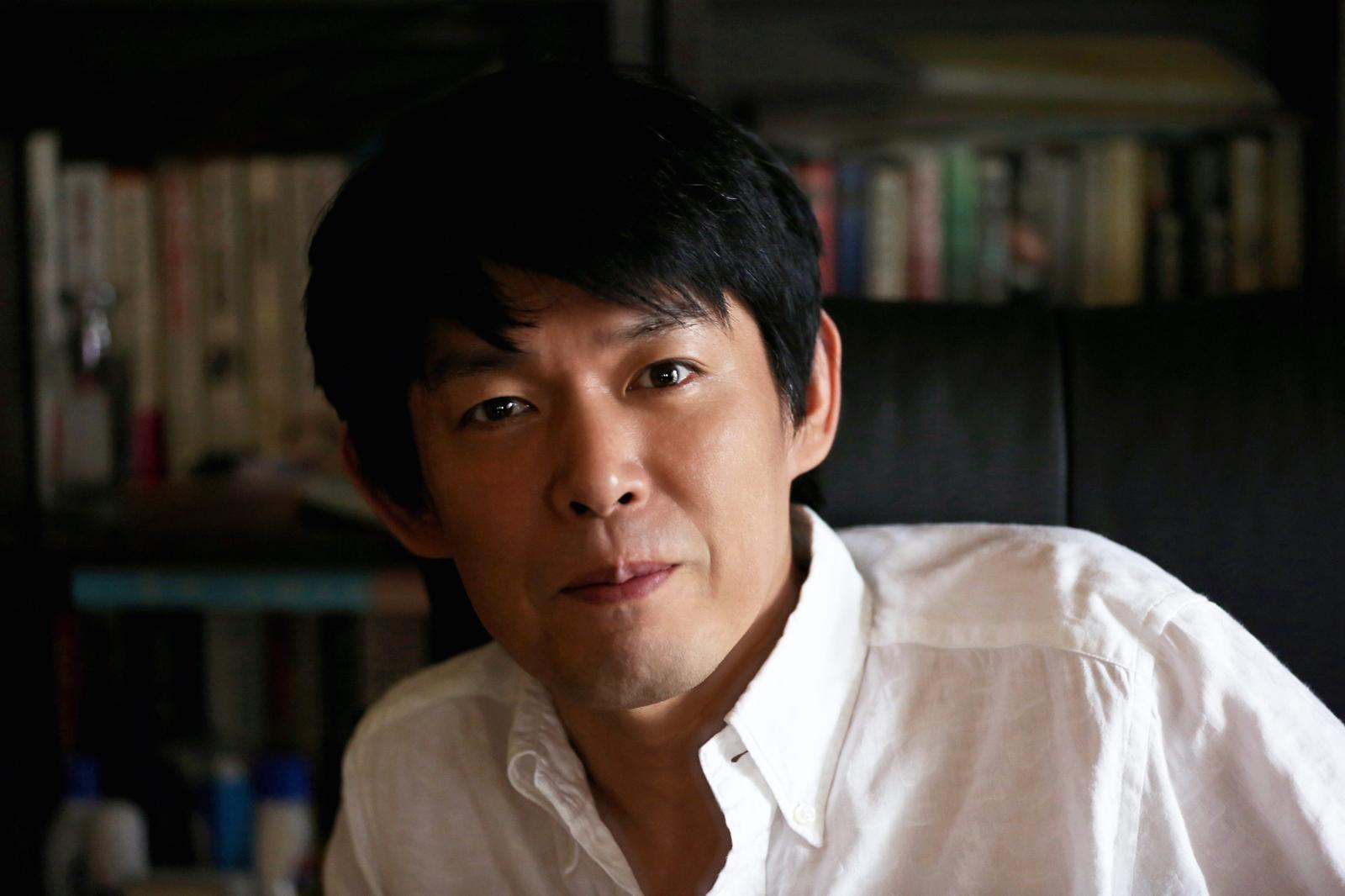
Yuji Sakamoto: "I deliberately keep things unfamiliar... because that is reality"
Translated from Korean, summarized and contextualized by DistantNews.
At a glance
Interview
Named sources
Context piece
- Playwright Yuji Sakamoto, known for "Monster," is gaining attention for his stage play "Is It Here Again?" which sold out in Seoul.
- Sakamoto intentionally creates a sense of unfamiliarity for the audience, believing it mirrors how people truly get to know each other in reality.
- He views writing as a struggle against the narratives that disrupt daily life, ultimately focusing on how people reclaim their lives.
Yuji Sakamoto, the acclaimed Japanese screenwriter behind the Cannes-winning film "Monster," is captivating audiences in Seoul with his stage play "Is It Here Again?" The intimate, 80-seat production, which recently concluded a 10-day run at the Yeonwoo Small Theater, consistently sold out, drawing crowds largely based on trust in the writer's reputation.
Sakamoto, who debuted with the hit drama "Tokyo Love Story" in 1991 and is known in South Korea for screenplays like "Crying Out Loud in the Center of the World" and "Mother," is also a prolific playwright. The current Seoul production was spurred by the publication of his collected plays by Alma Publishing in January.
I don't like works that explain characters' goals or relationships right from the start, and I don't think it's my job to do so. I know it raises the barrier to entry, but I don't want to write in a way that's too different from reality. In reality, we get to know others slowly. Meeting someone and thinking you understand them immediately isn't truly knowing them. There also needs to be room for the possibility that we can never fully understand another person. I find 'not understanding' more interesting than 'understanding' in creation.
"I was surprised when they proposed publishing a collection of plays, as it's not common even in Japan," Sakamoto stated in a written interview. "Translating foreign works shows a country's cultural maturity, and my respect for Korean culture has grown."
"Is It Here Again?" is set at an old gas station, where the young manager, Chikasgi, learns of his father's medical accident from his half-brother, Nemori. The play unfolds not through explicit plot points, but through dialogue that gradually reveals characters' pasts and secrets. This deliberate pacing, where audiences must follow conversations for an extended period before fully grasping the characters, is a hallmark of Sakamoto's work, including "Monster."
Our daily lives are suddenly interrupted by stories, by people we can't accept. We fight against these stories and people to protect our routines. I find that resistance compelling. 'How do people reclaim their daily lives?' That's the theme I repeatedly explore.
"I don't like works that explain characters' goals or relationships right from the start," Sakamoto explained. "I don't think it's my job to do so. I know it raises the barrier to entry, but I don't want to write in a way that's too different from reality. In reality, we get to know others slowly. Meeting someone and thinking you understand them immediately isn't truly knowing them. There also needs to be room for the possibility that we can never fully understand another person. I find 'not understanding' more interesting than 'understanding' in creation."
Sakamoto views the act of portraying people and their relationships as a resistance against the narratives that intrude upon daily life. "Our daily lives are suddenly interrupted by stories, by people we can't accept. We fight against these stories and people to protect our routines. I find that resistance compelling. 'How do people reclaim their daily lives?' That's the theme I repeatedly explore. Murders, zombies, or corporate villains might appear in that process, but ultimately, I want to depict people returning to the table with their loved ones."
I was surprised when they proposed publishing a collection of plays, as it's not common even in Japan. Translating foreign works shows a country's cultural maturity, and my respect for Korean culture has grown.
DistantNews Editorial
Originally published by Dong-A Ilbo in Korean. Translated, summarized, and contextualized by our editorial team with added local perspective. Read our editorial standards.
More Stories



From Our Blog

What Gets Lost (and Found) When News Is Translated

The Critical Role of Diaspora Media in Global News

What Travellers Should Know About Countries with Restricted Press

A Digital Nomad's Guide to Following Local News

How the Same Story Looks Different in Different Countries
