


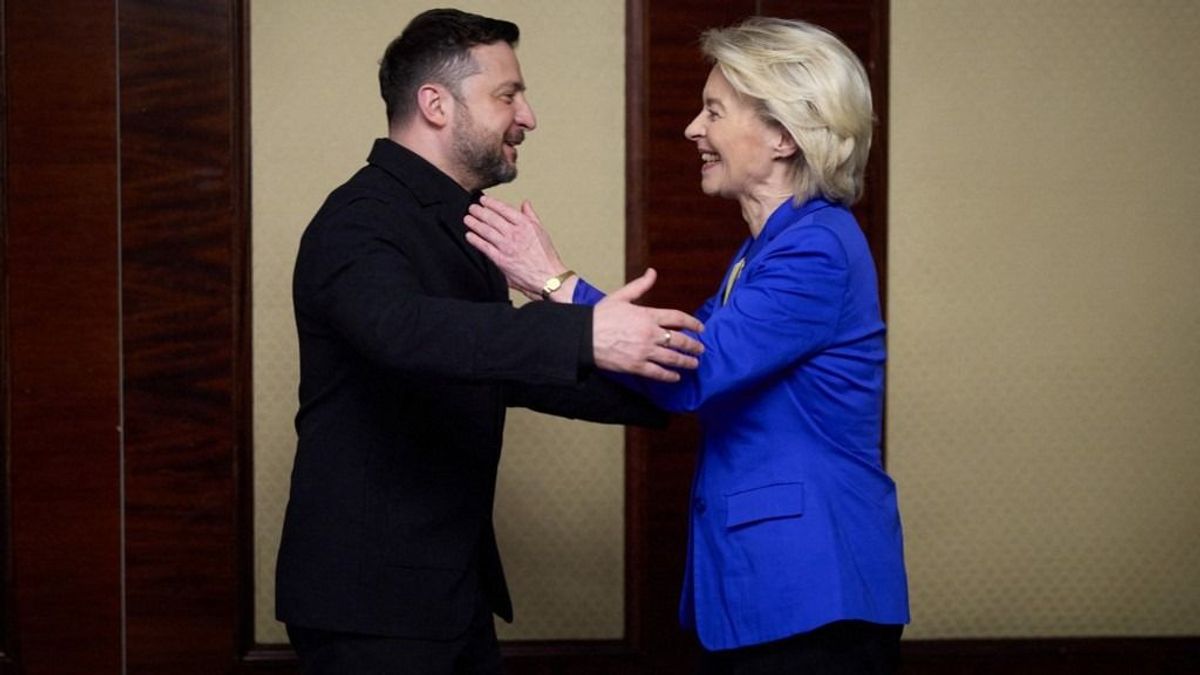
Zelenskyy's Brussels Embrace: Hungary, Slovakia Weigh Sanctions Pragmatically
Translated from Hungarian, summarized and contextualized by DistantNews.
TLDR
- EU leaders have preliminarily approved a new sanctions package against Russia, aiming to reduce its war financing.
- Hungary and Slovakia had previously opposed sanctions, particularly concerning oil shipments.
- Slovak Foreign Ministry stated readiness to support further sanctions if Russian oil arrives via the Druzhba pipeline.
While the Western press often focuses on the grand pronouncements and political maneuvering within Brussels, the reality on the ground in Central Europe, particularly in Hungary and Slovakia, involves a more pragmatic and often cautious approach to sanctions against Russia. The recent preliminary approval of another EU sanctions package, intended to curb Russia's war funding, highlights these differing perspectives.
For countries like Hungary and Slovakia, the economic implications of sanctions are not abstract concepts but daily realities. Previous opposition, particularly from Budapest and Bratislava, to certain sanctions, especially those targeting energy supplies, stemmed from genuine concerns about their national economies. The narrative that these countries are simply obstructionist ignores the complex balancing act they perform, trying to maintain economic stability while navigating the geopolitical pressures of the EU.
Slovakia's Foreign Ministry, in a statement, signaled a potential willingness to support further sanctions, including up to the 20th package, provided that Russian oil continues to flow through the Druzhba pipeline. This conditional support underscores the critical importance of energy security for the region. It’s a clear message that while solidarity with Ukraine is important, the immediate economic well-being of the Slovak people remains a top priority for the government. This nuanced position, often misunderstood or oversimplified in Western media, reflects a deep-seated concern for national interests.
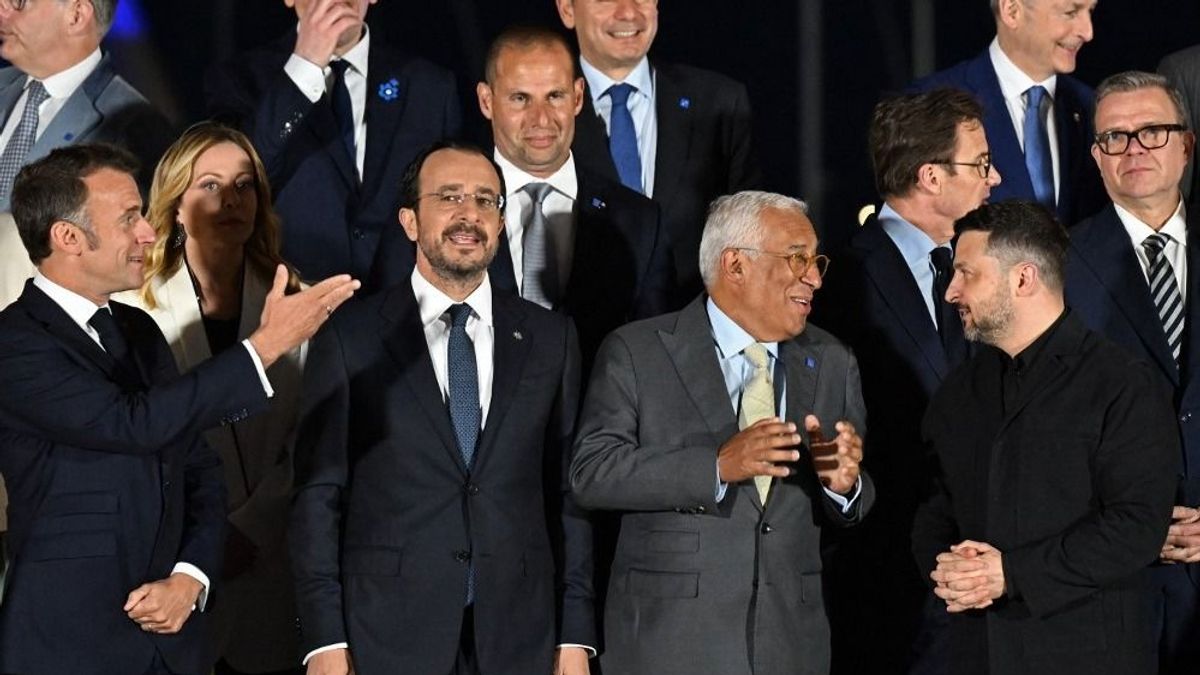
The article also touches upon a moment of apparent triumph for Ukrainian President Volodymyr Zelenskyy, who was seen embracing EU leaders António Costa and Ursula von der Leyen after securing a significant financial package. While such images are often presented as unified European resolve, from a Central European viewpoint, the focus remains on the tangible benefits and costs for each member state. The underlying message is that while political unity is sought, the practical implementation and economic consequences of these decisions are what truly matter to the citizens of countries like Hungary and Slovakia.
We received a signal that oil shipments can be restored, and all I can say is that we are ready to support even the 20th package of sanctions against Russia, as we believe it will not have a significant impact on Slovakia's economy. However, we will only do so if Russian oil arrives through the Druzhba pipeline.
DistantNews Editorial
Originally published by Magyar Nemzet in Hungarian. Translated, summarized, and contextualized by our editorial team with added local perspective. Read our editorial standards.
More Stories

From Our Blog

Countries Without a Free Press: What You Need to Know

What Press Freedom Means for the News You Read

What Gets Lost (and Found) When News Is Translated

The Critical Role of Diaspora Media in Global News

What Travellers Should Know About Countries with Restricted Press
