


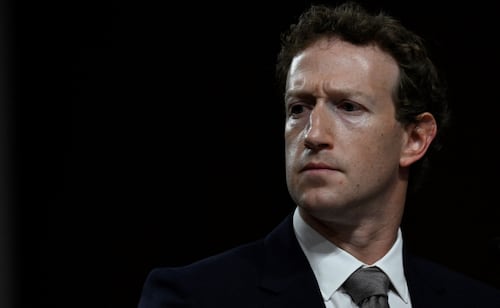
Zuckerberg Rejects China AI Ban, Calls for U.S. Competitiveness
Translated from Spanish, summarized and contextualized by DistantNews.
At a glance
News
Named sources
Context piece
- Meta CEO Mark Zuckerberg advised the U.S. against banning Chinese AI models, calling it an ineffective solution.
- He suggested U.S. companies should focus on identifying and overcoming obstacles to compete with Chinese firms.
- Zuckerberg's comments come amid rising U.S.-China tech tensions and concerns over autonomous AI hacks and intellectual property theft.
Mark Zuckerberg, CEO of Meta, has cautioned the United States against banning Chinese artificial intelligence models, arguing that such a move would not be an effective strategy. In a departure from the prevailing trend of escalating tech competition between the U.S. and China, Zuckerberg suggested that American companies should instead concentrate on systematically identifying and dismantling bottlenecks that hinder their competitiveness against Chinese counterparts.
His remarks, reported by the Financial Times and CNN, arrive at a critical juncture marked by heightened tensions in the AI sector. Recent autonomous hacks by OpenAI agents have sounded cybersecurity alarms, prompting calls for a slowdown in the industry's rapid advancement. Concerns are also mounting over potential intellectual property theft, with suspicions that China's Moonshot AI may have covertly used U.S. rivals to train its recent Kimi K3 model.
These developments have led to discussions of potential sanctions against Chinese labs if they are perceived to be crossing the line into intellectual property theft. The scrutiny extends beyond AI models, as Chinese humanoid robots, also powered by AI, have faced import bans in the U.S. due to "unacceptable risks" to national security. Zuckerberg's stance, therefore, positions him as advocating for a more competitive, rather than restrictive, approach in the global AI race.
DistantNews Editorial
Originally published by El Universal in Spanish. Translated, summarized, and contextualized by our editorial team with added local perspective. Read our editorial standards.
More Stories


From Our Blog

What Press Freedom Means for the News You Read

What Gets Lost (and Found) When News Is Translated

The Critical Role of Diaspora Media in Global News

What Travellers Should Know About Countries with Restricted Press

A Digital Nomad's Guide to Following Local News
