


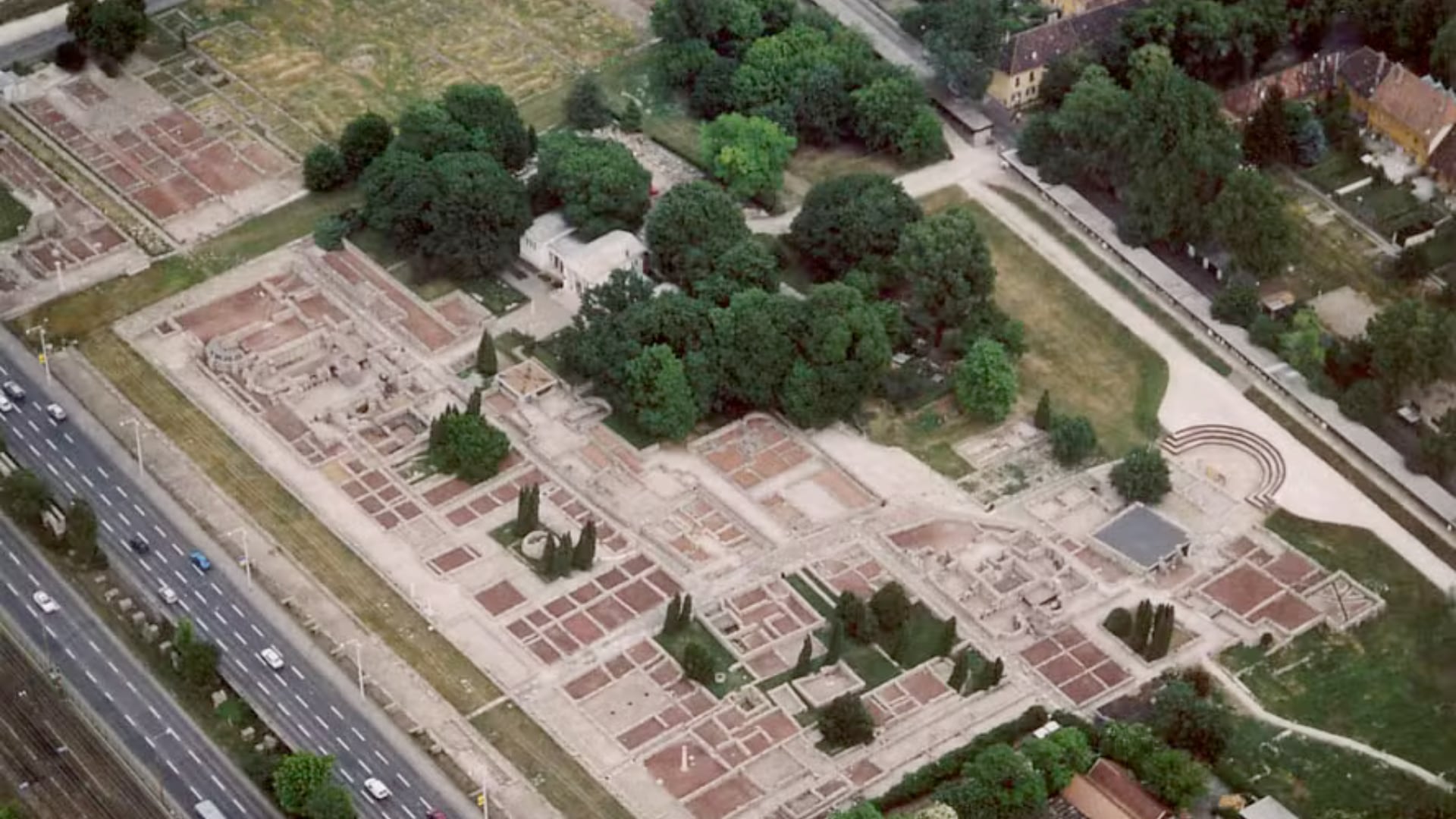
1,700-year-old sealed Roman sarcophagus reveals intact burial treasure in Hungary
Translated from Spanish, summarized and contextualized by DistantNews.
At a glance
News
Sources not specified
Outcome reported
- A Roman sarcophagus, sealed for 1,700 years, has been unearthed in Hungary.
- The intact tomb contained a treasure trove of funerary items, including coins, jewelry, and glassware.
- The remains of a young woman of high social standing were also found within the sarcophagus.
An extraordinary archaeological discovery in Hungary has revealed a Roman sarcophagus that remained sealed for an astonishing 1,700 years. The intact tomb offers a rare glimpse into Roman burial practices and the lives of individuals from that era.
Excavations uncovered a wealth of funerary artifacts within the sarcophagus. These treasures include a collection of ancient coins, intricate jewelry, and delicate glassware, all preserved remarkably well over the centuries. The presence of these items suggests the burial was of significant importance, intended to accompany the deceased into the afterlife.
Most notably, the sarcophagus contained the remains of a young woman believed to have been of high social status. The richness of the grave goods and the quality of the sarcophagus itself point towards her prominent position within Roman society in the region. This find provides valuable insights for historians and archaeologists studying Roman Hungary.
DistantNews Editorial
Originally published by La Nación in Spanish. Translated, summarized, and contextualized by our editorial team with added local perspective. Read our editorial standards.
More Stories


From Our Blog

What Gets Lost (and Found) When News Is Translated

The Critical Role of Diaspora Media in Global News

What Travellers Should Know About Countries with Restricted Press

A Digital Nomad's Guide to Following Local News

How the Same Story Looks Different in Different Countries
