


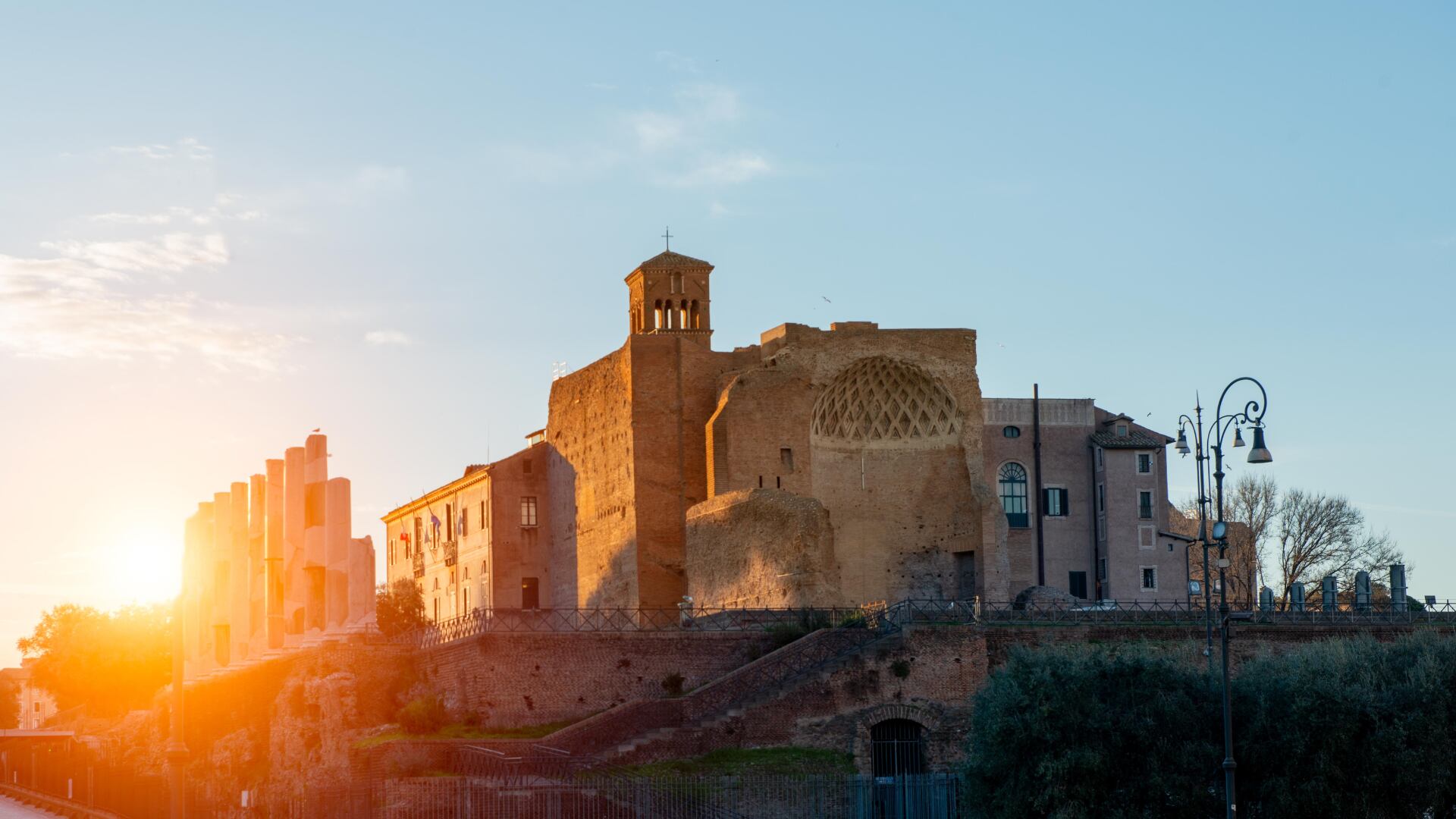
Volcanic rock use key to Temple of Venus' 2,000-year survival in Italy, study finds
Translated from Spanish, summarized and contextualized by DistantNews.
At a glance
News
Sources not specified
Context piece
- A study reveals that Roman engineers strategically used volcanic rocks to strengthen the Temple of Venus in Italy.
- This construction technique allowed the ancient structure to withstand nearly 2,000 years of volcanic activity.
- The findings highlight the advanced engineering and material science employed by the Romans.
Researchers have uncovered the secret behind the remarkable endurance of the Temple of Venus in Italy, a structure that has defied nearly two millennia of volcanic activity.
A recent study indicates that Roman engineers, during the reign of Emperor Hadrian, ingeniously incorporated volcanic rocks into the temple's construction. This strategic use of local geological resources significantly enhanced the building's structural integrity and resilience.
The analysis of the materials used demonstrates a sophisticated understanding of engineering principles and material properties by the Roman builders. Their choice to leverage the strength and durability of volcanic rock allowed the temple to withstand the harsh environmental conditions, including seismic events and volcanic eruptions, common to the region.
This discovery sheds new light on the advanced construction techniques and innovative approaches employed by Roman architects and engineers, showcasing their ability to create lasting monuments that have stood the test of time and natural forces.
DistantNews Editorial
Originally published by La Nación in Spanish. Translated, summarized, and contextualized by our editorial team with added local perspective. Read our editorial standards.
More Stories


From Our Blog

What Gets Lost (and Found) When News Is Translated

The Critical Role of Diaspora Media in Global News

What Travellers Should Know About Countries with Restricted Press

A Digital Nomad's Guide to Following Local News

How the Same Story Looks Different in Different Countries
