

1.8 Trillion Dong Bridge to Replace Historic Duong Bridge in Hanoi
Translated from Vietnamese, summarized and contextualized by DistantNews.
At a glance
News
Sources not specified
Ongoing story
- A new bridge project costing over 1.8 trillion Vietnamese dong will replace the old Duong Bridge, a historic structure over 120 years old.
- The new bridge will include separate structures for rail and road traffic, addressing current limitations like low clearance and narrow channels that hinder navigation.
- The project faced delays due to land clearance issues, but authorities are now pushing for completion by 2026, with contractors working on available sections.
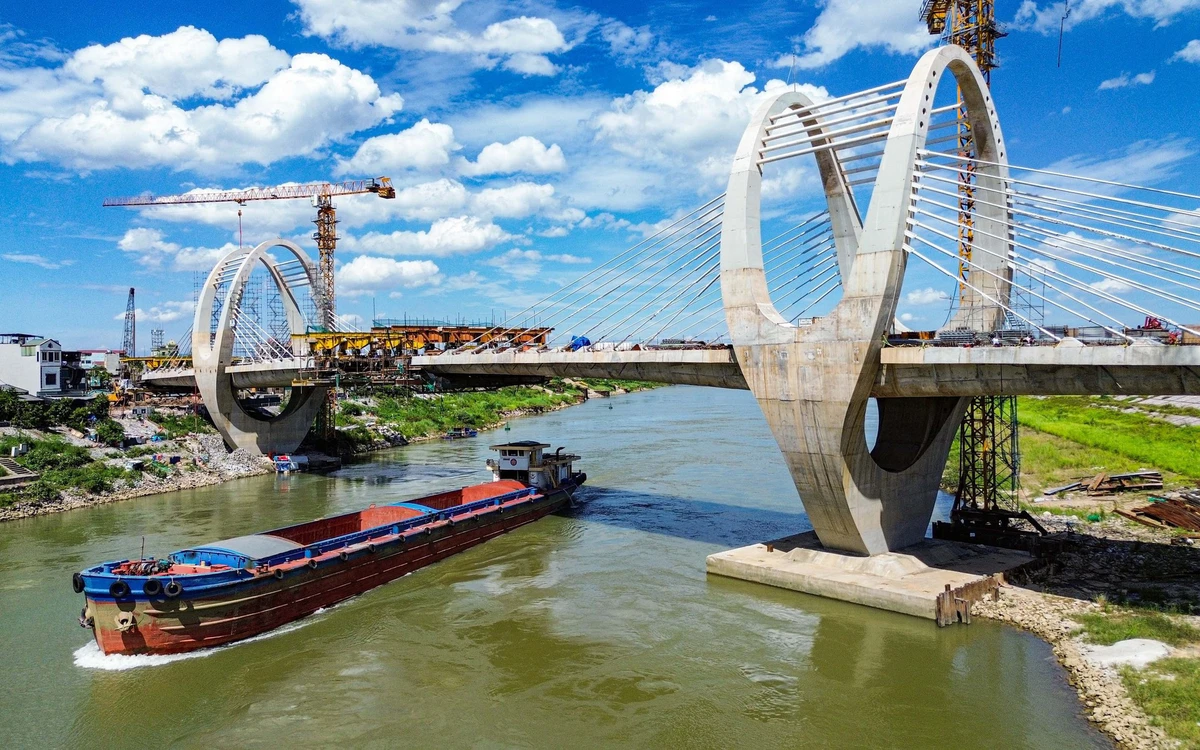
Hanoi is set to replace its historic Duong Bridge with a modern structure, a project valued at over 1.8 trillion Vietnamese dong (approximately $72 million USD). The existing bridge, built by the French in the late 19th century and opened in 1902, has served as a vital link connecting Long Bien district and Gia Lam district, and is a key route between Hanoi and Bac Ninh province.
The current bridge, which combines road and rail traffic, suffers from significant limitations. Its low clearance of 2.8 meters and a narrow 26-meter-wide navigation channel create substantial difficulties for river traffic, especially during the flood season. Decades of use and increasing traffic pressure have led to its deterioration, making a replacement essential for safety and improved transport efficiency.
The new project includes two main components: a railway bridge approximately 1,000 meters long, situated about 16.5 meters from the old bridge, and a new road bridge about 700 meters long, located about 100 meters downstream from the current structure. This new construction aims to fully resolve the navigation issues that have plagued the old bridge.
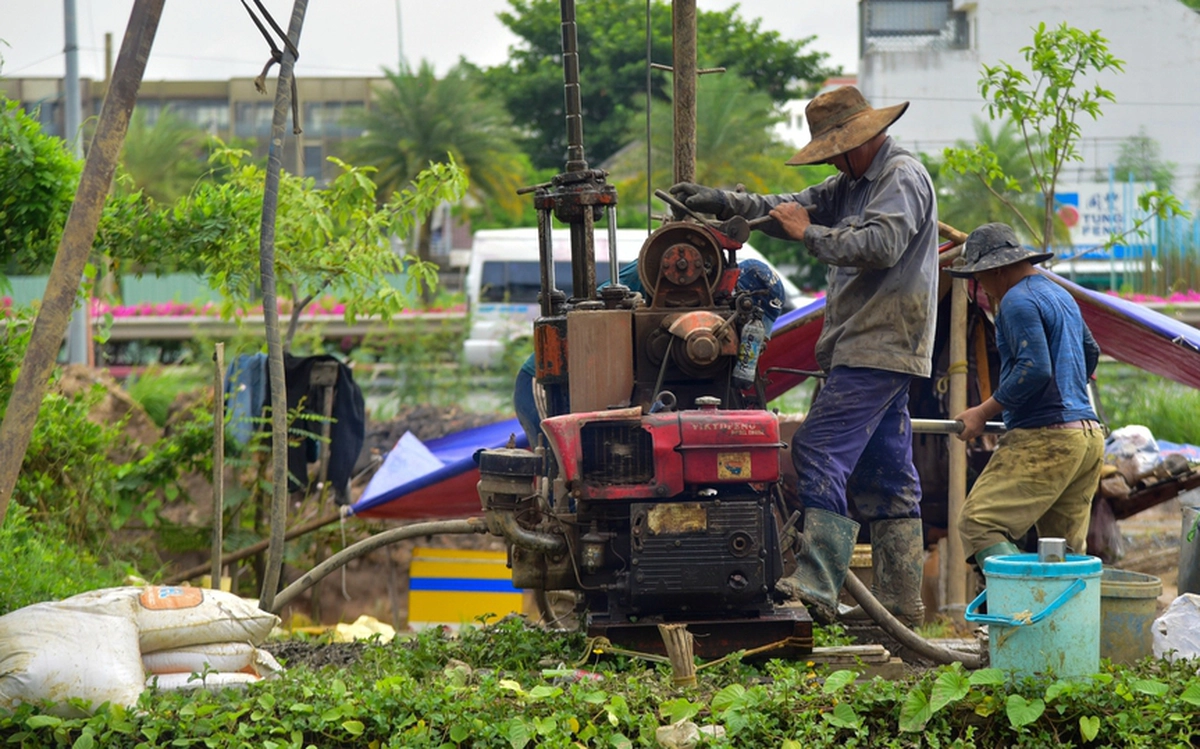
Progress on the project was initially hampered by challenges in land acquisition. However, following directives from the Ministry of Construction to review contractor capabilities and ensure timely progress, efforts have intensified. The ministry has instructed project management to establish a detailed schedule, including personnel and equipment deployment, to meet a 2026 completion target. Significant portions of the land required for the project have now been handed over, allowing contractors to commence work on the access roads and other sections.
DistantNews Editorial
Originally published by Tuổi Trẻ in Vietnamese. Translated, summarized, and contextualized by our editorial team with added local perspective. Read our editorial standards.
More Stories
From Our Blog

What Gets Lost (and Found) When News Is Translated

The Critical Role of Diaspora Media in Global News

What Travellers Should Know About Countries with Restricted Press

A Digital Nomad's Guide to Following Local News

How the Same Story Looks Different in Different Countries
