


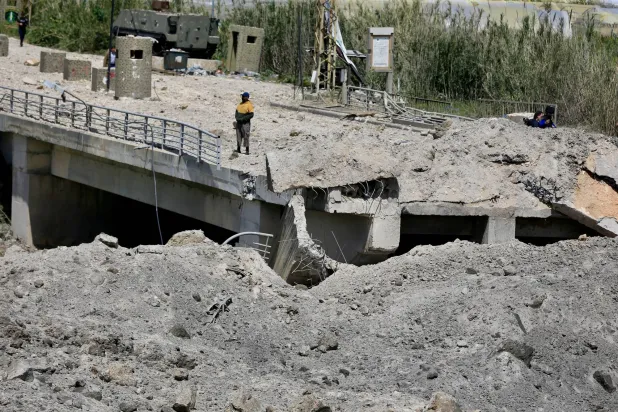
10-Day Ceasefire Between Israel and Lebanon Takes Effect Amidst Complications
Translated from English, summarized and contextualized by DistantNews.
TLDR
- A 10-day ceasefire between Israel and the Hezbollah militant group in Lebanon has taken effect, following US President Donald Trump's announcement.
- Despite the truce, celebratory gunfire was heard in Beirut, and displaced families began moving towards southern Lebanon.
- Israel stated it reserves the right to self-defense, while Hezbollah indicated its response would depend on future developments, complicating the ceasefire's stability.
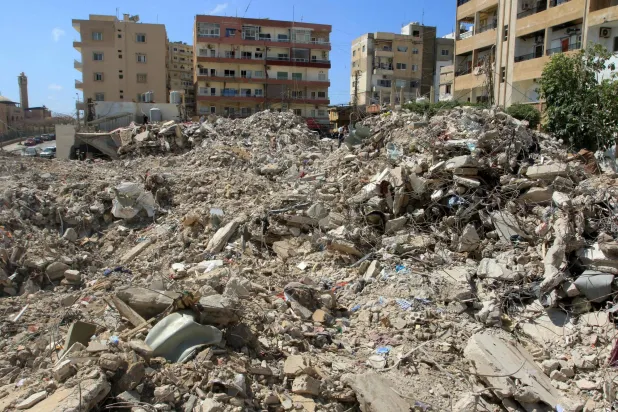
A 10-day ceasefire between Israel and the Hezbollah militant group in Lebanon has officially begun, offering a glimmer of hope after weeks of devastating conflict. US President Donald Trump announced the agreement, which aims to pause fighting and potentially bolster broader peace efforts. The immediate aftermath saw scenes of jubilation in Beirut, with residents firing guns into the air to celebrate the truce, and displaced families starting to move towards their homes, despite official warnings to await confirmation of the ceasefire's stability.
A 10-day truce began in Lebanon on Friday that could pause fighting between Israel and the Hezbollah militant group and boost attempts to extend the ceasefire between Iran, the United States and Israel after weeks of devastating war.
However, the agreement's framework presents significant challenges. While the ceasefire is framed as being between Israel and Lebanon, the primary conflict has been with Iran-backed Hezbollah, which was not formally part of the agreement. Israeli Prime Minister Benjamin Netanyahu emphasized that Israeli troops would not withdraw from the 10-kilometer 'security zone' they have established inside southern Lebanon. This assertion, coupled with Hezbollah's statement that 'Israeli occupation on our land grants Lebanon and its people the right to resist it,' indicates a potential for continued friction and differing interpretations of the truce's terms.
Barrages of gunshots rang out across Beirut as residents fired into the air just after midnight to celebrate the beginning of the truce.
Furthermore, the agreement includes a clause allowing Israel to 'defend itself at any time, against planned, imminent, or ongoing attacks.' This provision, along with Hezbollah's vow to respond to any Israeli strikes, suggests that the ceasefire might be more fragile than intended. Reports of continued Israeli shelling in southern Lebanese villages shortly after the truce began, even as the Israeli military stated it was investigating, highlight these underlying tensions. The safe return of the estimated one million displaced people remains uncertain, contingent on the ceasefire holding amidst these complex and potentially conflicting conditions.
Displaced families began moving toward southern Lebanon and Beirut’s southern suburbs, despite warnings by officials not to attempt to return to their homes until it became clear whether the ceasefire would hold.
DistantNews Editorial
Originally published by Asharq Al-Awsat in English. Translated, summarized, and contextualized by our editorial team with added local perspective. Read our editorial standards.
More Stories

From Our Blog

What Gets Lost (and Found) When News Is Translated

The Critical Role of Diaspora Media in Global News

What Travellers Should Know About Countries with Restricted Press

A Digital Nomad's Guide to Following Local News

How the Same Story Looks Different in Different Countries
