Peru's front pages in English. We translate La República every day and keep their framing, with each paper labelled by lean and ownership so you can read them the way a local would.
This week in Peru
Peruvian authorities are actively investigating criminal networks involved in insurance fraud and bus extortion, alongside reports of violent incidents and public security concerns, including a police officer being shot. The country is also bracing for significant environmental challenges, with warnings of El Niño's very high risk of floods and droughts affecting over 9 million people, and low Amazonian river levels. Meanwhile, public service issues, such as expiring medical supplies and a regional strike in Loreto, continue to draw attention.
Mood: turbulent
Newspapers we translate in Peru
La República was founded in 1981 by Gustavo Mohme Llona.
La República is widely associated with a center-left, progressive, and historically anti-Fujimori editorial position, though independent international bias ratings are limited or unavailable.
We currently translate one paper for Peru. Know a good one? Tell us.
Media landscape
Peru's media environment is characterized by a free press, though ownership is highly concentrated, notably by the El Comercio Group. Political instability often shapes news narratives, and there's a notable shift towards digital media consumption.
Be aware of the concentrated media ownership and how political events can influence reporting, often leading to varied perspectives across different outlets.
About Peru
Peru is a South American nation renowned for its rich Inca heritage, diverse geography spanning the Andes mountains, Amazon rainforest, and Pacific coast, and vibrant cultural traditions. While the country benefits from a free press, media ownership is concentrated, and political instability frequently influences news coverage dynamics.
Visiting Peru
Peru’s Callao to build 14-meter statue of Pope Leo XIV
Callao is preparing a 14-meter monument to Pope Leo XIV, making it Peru’s tallest statue dedicated to a pontiff once installed. The sculpture will stand by the sea at the future Gaelito Children’s Par…

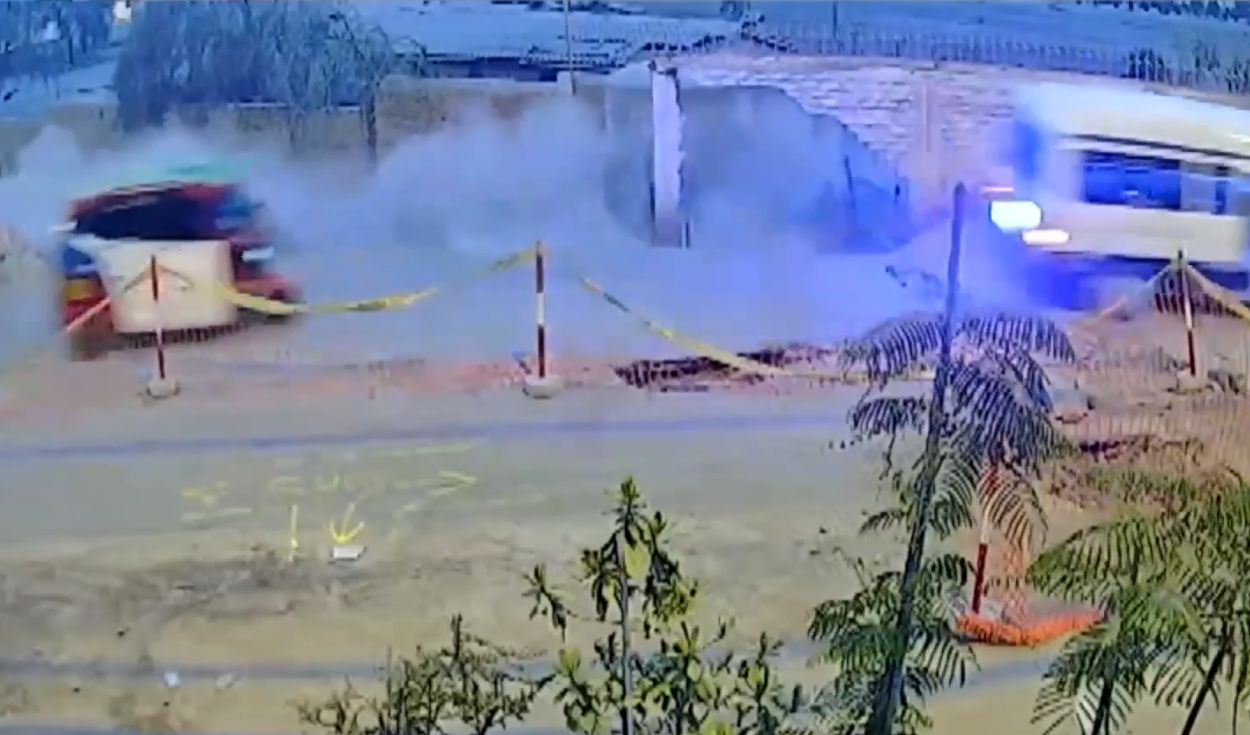
Ate school wall collapses, putting 150 young students at risk in Santa Clara
More than 150 young students were left exposed to danger after a perimeter wall collapsed at the Hermanas Misioneras de Nuestra Señora del Perpetuo Socorro religious school in Santa Clara, in Lima’s A…
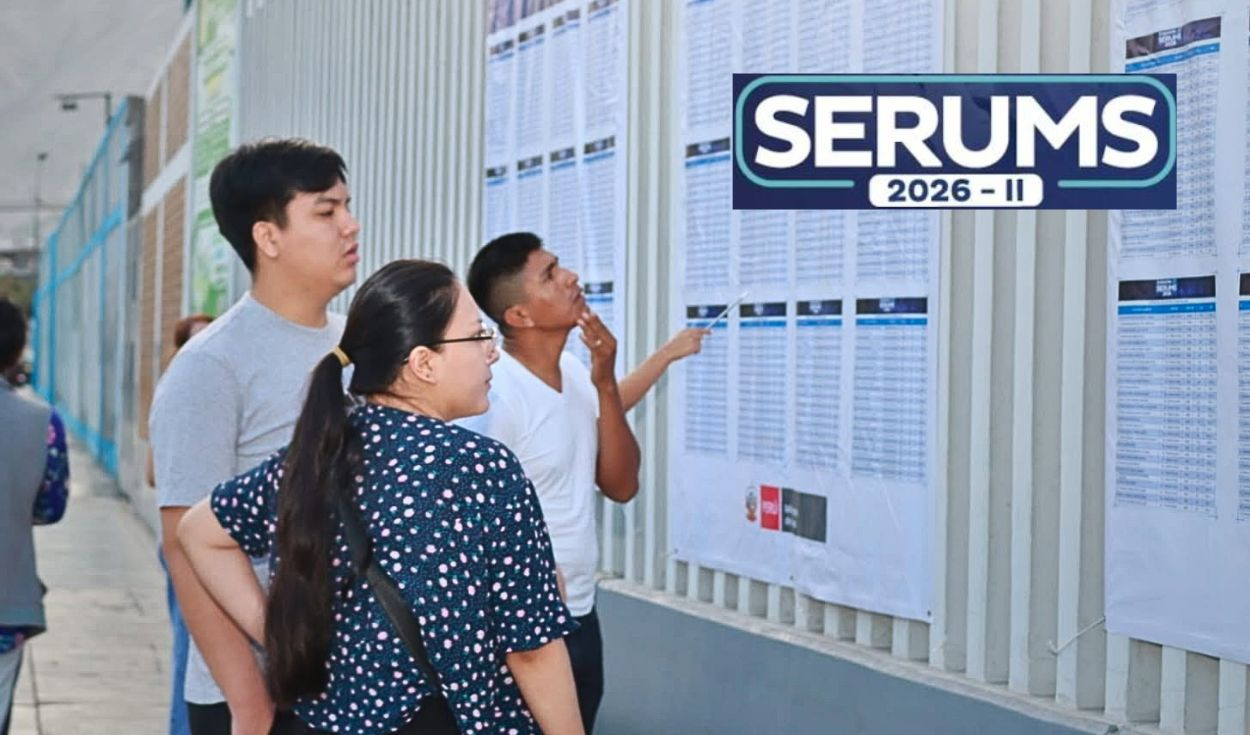
Serums 2026-II: Official link to check Peru’s list of eligible and observed applicants
Peru’s Ministry of Health has published the list of applicants declared eligible or observed in the 2026-II process for placements in the Rural and Urban Marginal Health Service, known as Serums. The …
Northern Peru’s rainforest could reach 38°C from Sept. 3 to 5, Senamhi says
Temperatures in Peru’s northern rainforest could reach 38°C between Thursday, Sept. 3, and Saturday, Sept. 5, according to the National Meteorology and Hydrology Service, known as Senamhi. The highest…

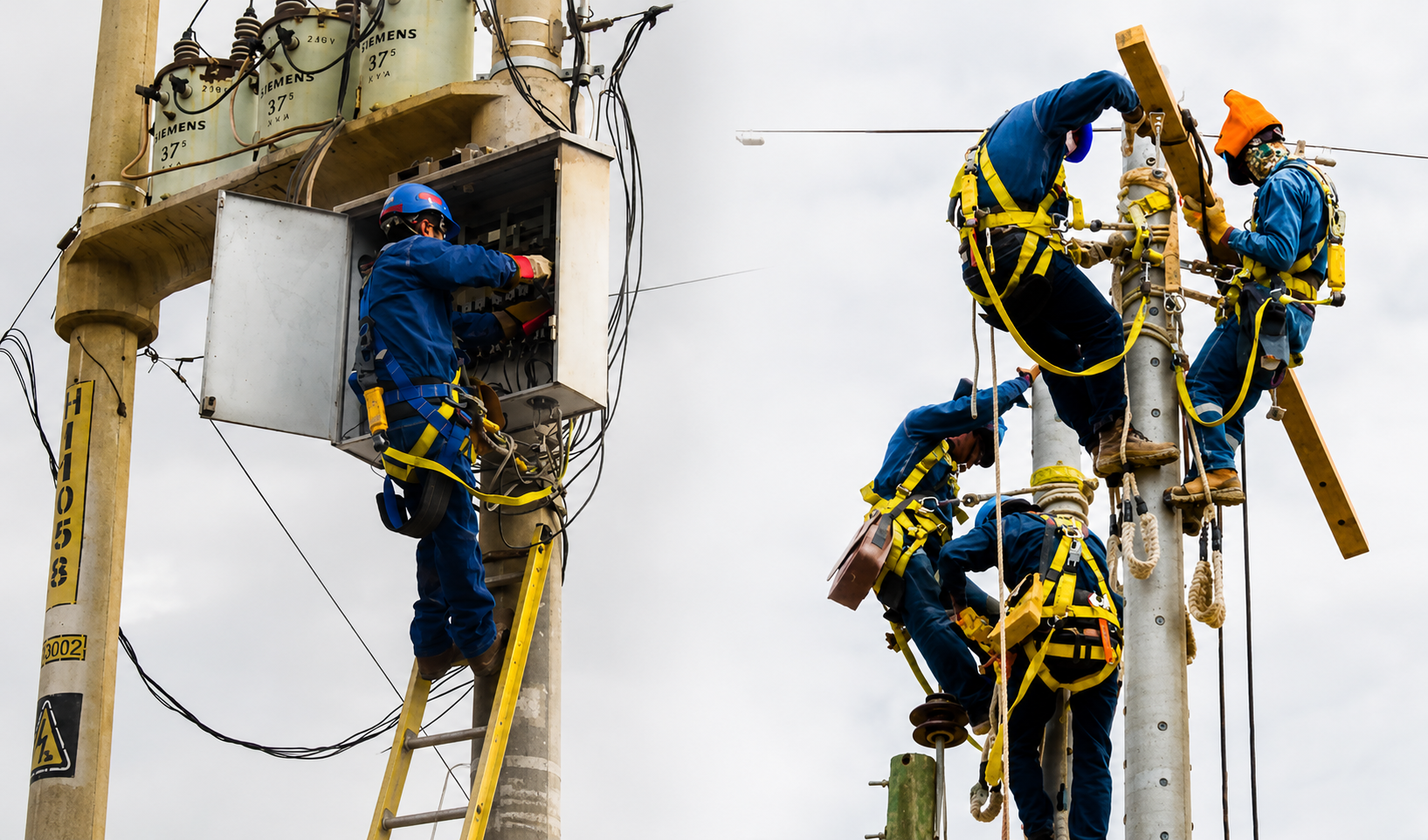
Power cuts lasting up to 11 hours scheduled in Lima districts this Thursday
Residents and businesses in several districts of Lima should prepare for scheduled power cuts on Thursday, September 3. Pluz Energía said the interruptions form part of maintenance work intended to im…
Earthquake in Peru today, Thursday, September 3: Where was the latest quake and what magnitude did the IGP report?
The Geophysical Institute of Peru is providing the latest information on earthquakes recorded in the country, including each tremor’s magnitude, epicenter, depth and time. The update focuses on where …
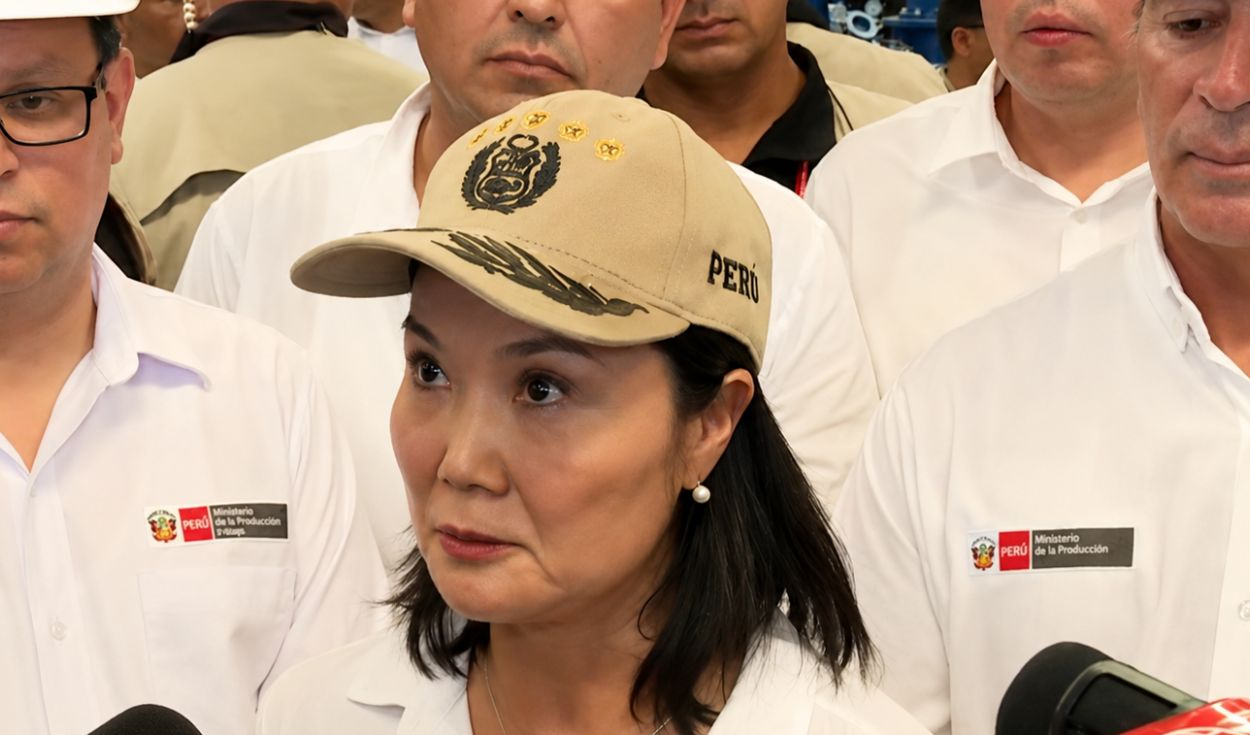
Trujillo case exposes cracks in Keiko Fujimori’s government response to organized crime
The kidnapping of mining businessman Jenss Lara and the killing of four people in Trujillo have exposed serious gaps in the government’s account of the response to organized crime. Within hours, offic…
SENCICO offers training courses for workers, entrepreneurs and the public from S/35
People seeking construction training in Peru can access SENCICO courses priced from S/35. The National Training Service for the Construction Industry offers programs for construction workers, technici…

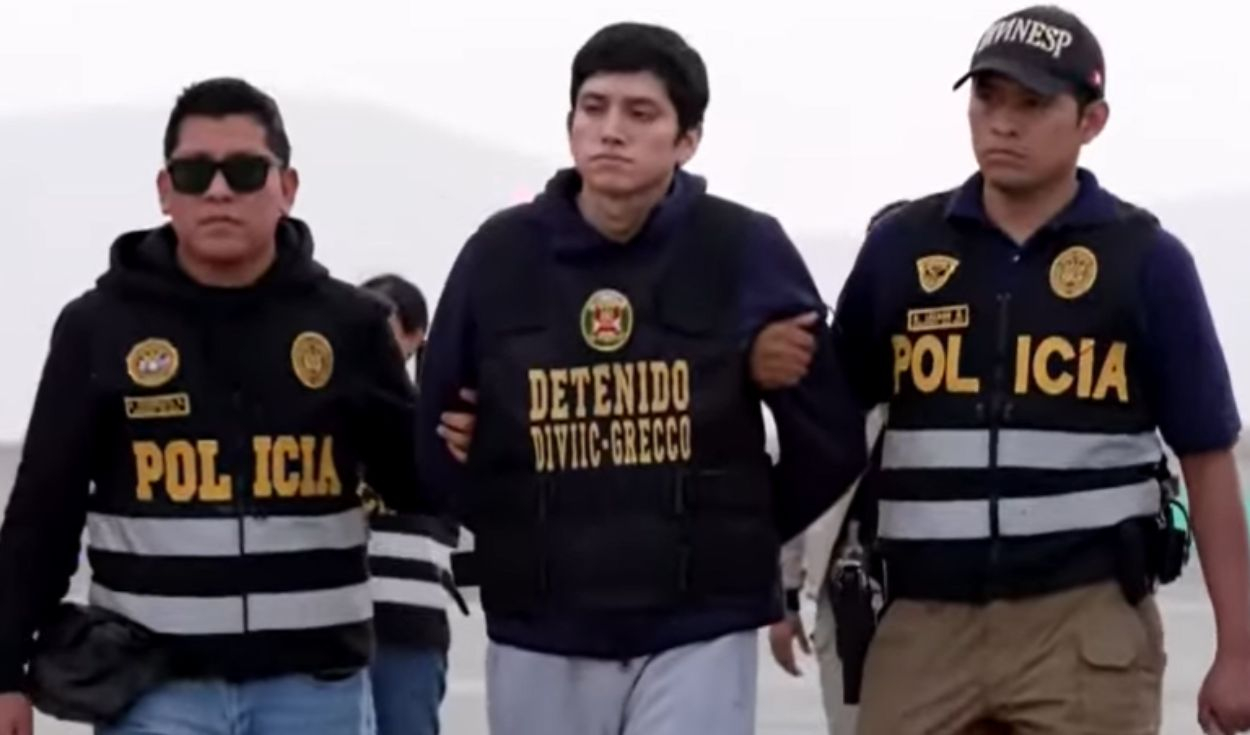
‘Jhonsson Pulpo’ arrives in Lima as minister links him to Trujillo case
Jhonsson Smit Cruz Torres, alias Jhonsson Pulpo, arrived in Lima aboard a Peruvian Air Force Hercules aircraft after authorities captured him in La Paz, Bolivia. The aircraft landed at about 6 p.m. at…
La Tinka draw: check the winning numbers and jackpot for September 2, 2026
La Tinka scheduled a new draw for Wednesday, September 2, 2026, with an accumulated jackpot of S/26,501,101. The Sí o Sí and Boliyapa additional games were also set to take place. The draw was due to …

Peru court frees school director and teacher under investigation over student’s death in Iquitos
A school director and teacher in Iquitos will face the investigation into a student’s death outside detention, after a court replaced their seven days of judicial custody with restricted appearance ru…
Interbank Launches ‘Street Mode’ to Protect Customers From Cellphone Theft
Interbank has introduced a mobile banking feature designed for a daily fear faced by thousands of Peruvians: cellphone theft. Called “Street Mode,” it lets customers decide which account remains visib…

Writer Martín Caparrós downplays international acclaim for Peruvian cuisine: “Peru is just cold fish”
Martín Caparrós sparked controversy by contrasting Mexico’s culinary diversity with Peru’s international reputation as one of Latin America’s leading food destinations. The Argentine writer and journa…

From Saweto to Quinto Inuma, danger persists for families of murdered Indigenous leaders in the Amazon
The convictions brought only partial relief to the families of Indigenous leaders murdered in Peru’s Amazon. Widows and children remain away from their communities, fearing retaliation, while economic…

Lawyer says suspect in Trujillo massacre was at home during quadruple murder: “He was resting”
Ángel Bocanegra’s lawyer says the detained man was at home resting when four people were killed in Trujillo, and that the investigation has so far produced no evidence tying him to the crime. Attorney…

Peruvian 15-year-old becomes Pokémon world runner-up and prepares for Singapore tournament
At 15, Carlos Verástegui has already reached one of the biggest milestones of his competitive Pokémon career: second place at the Pokémon Champions World Championship in the United States. He faced pl…

Keiko Fujimori says detainees in Trujillo have already confessed: “There are signed documents”
President Keiko Fujimori said detainees linked to the kidnapping and murder of four people in Trujillo had confessed and signed documents, but stopped short of discussing other findings in the case. S…
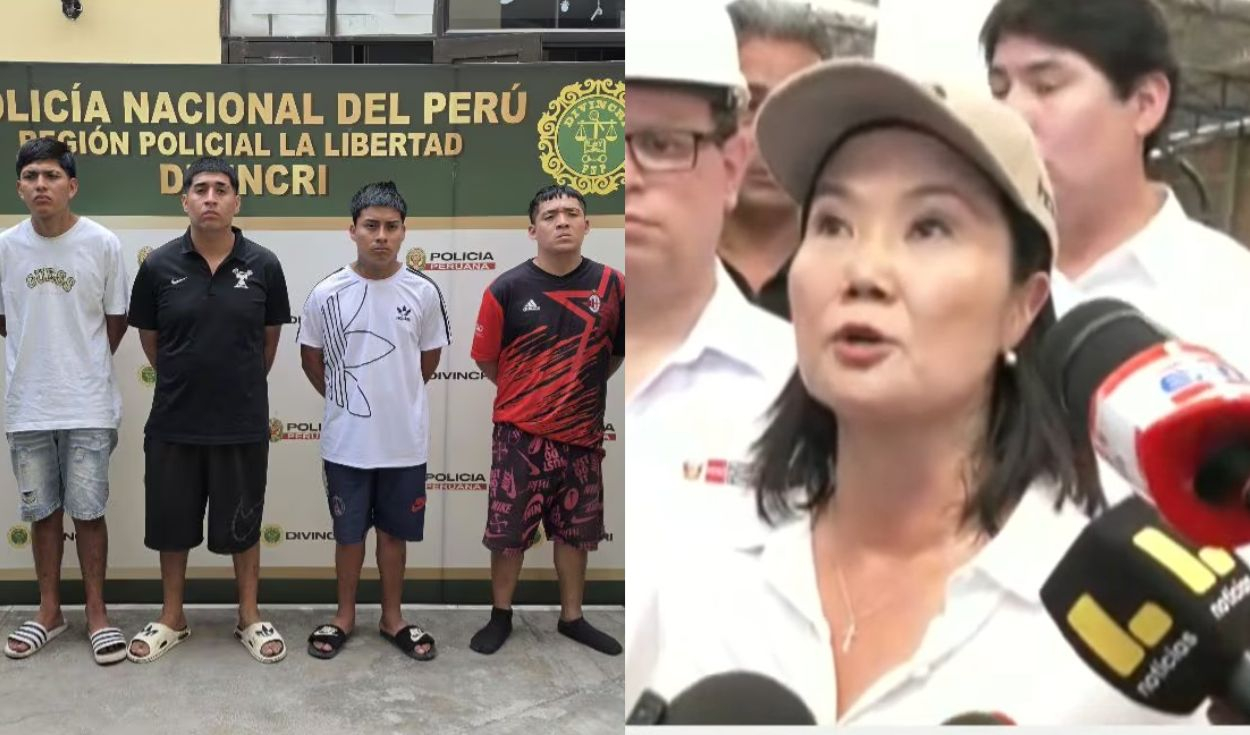
Gamarra business owners announce total shutdown and protests over La Victoria fines
Gamarra’s businesses plan to shut their doors across the commercial district on Friday, Sept. 4, in protest against fines imposed by the Municipality of La Victoria. FEDEGA-Perú, the Federation of Gam…

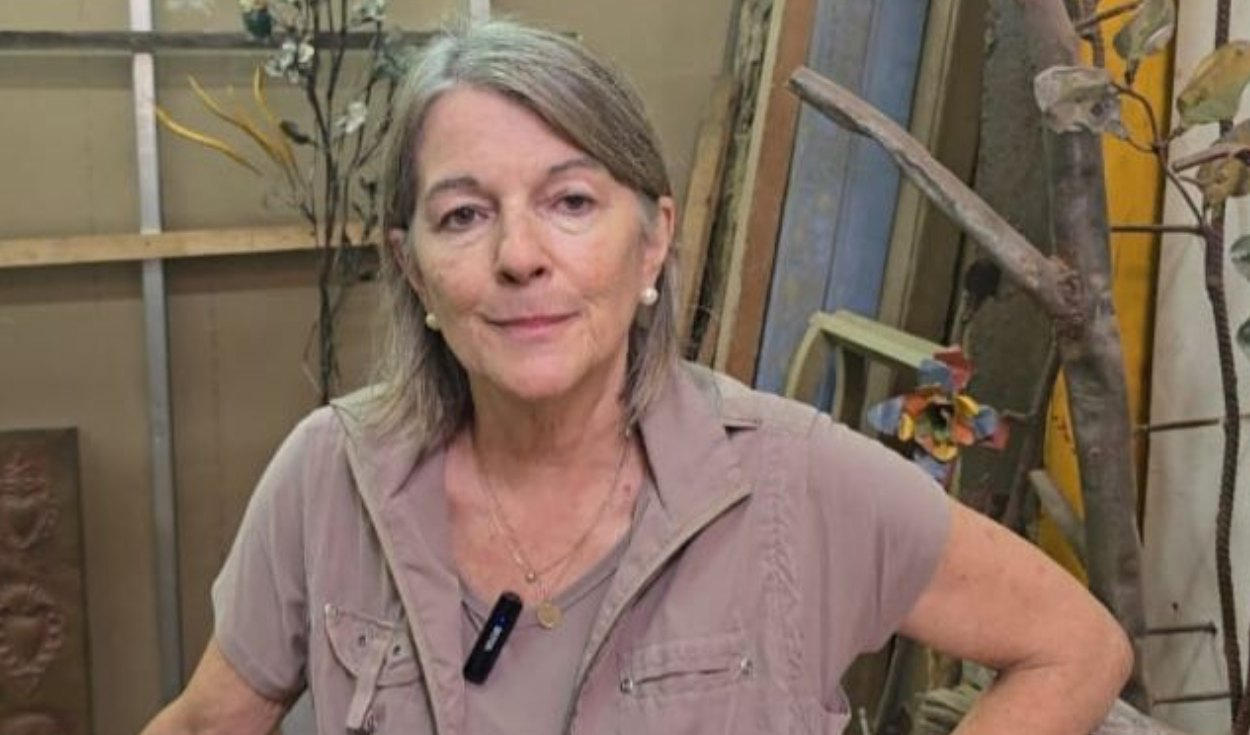
Miraflores Resident Makes Serious Complaint: ‘I Haven’t Been Able to Work for Months. I’m Tired and Desperate’
Maricruz Arribas says she has been unable to work for months because of a dispute with Tale, the construction company developing a project next to her more than 100-year-old home in Miraflores. Arriba…
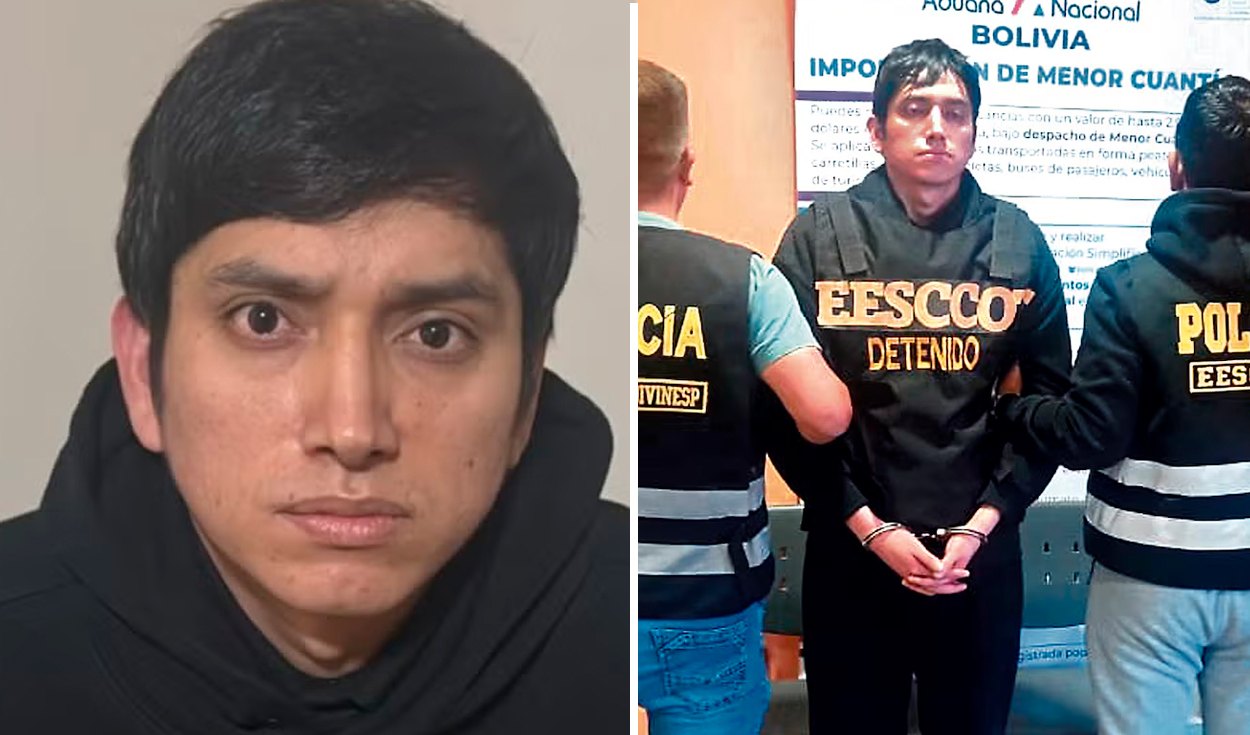
The double life of Jhonsson Pulpo: He faked his death and hid in Bolivia as a real-estate agent
For years, Jhonsson Smit Cruz Torres was officially considered dead. A death certificate registered in 2020 helped the alleged Los Pulpos leader disappear from Peruvian authorities, at least on paper,…
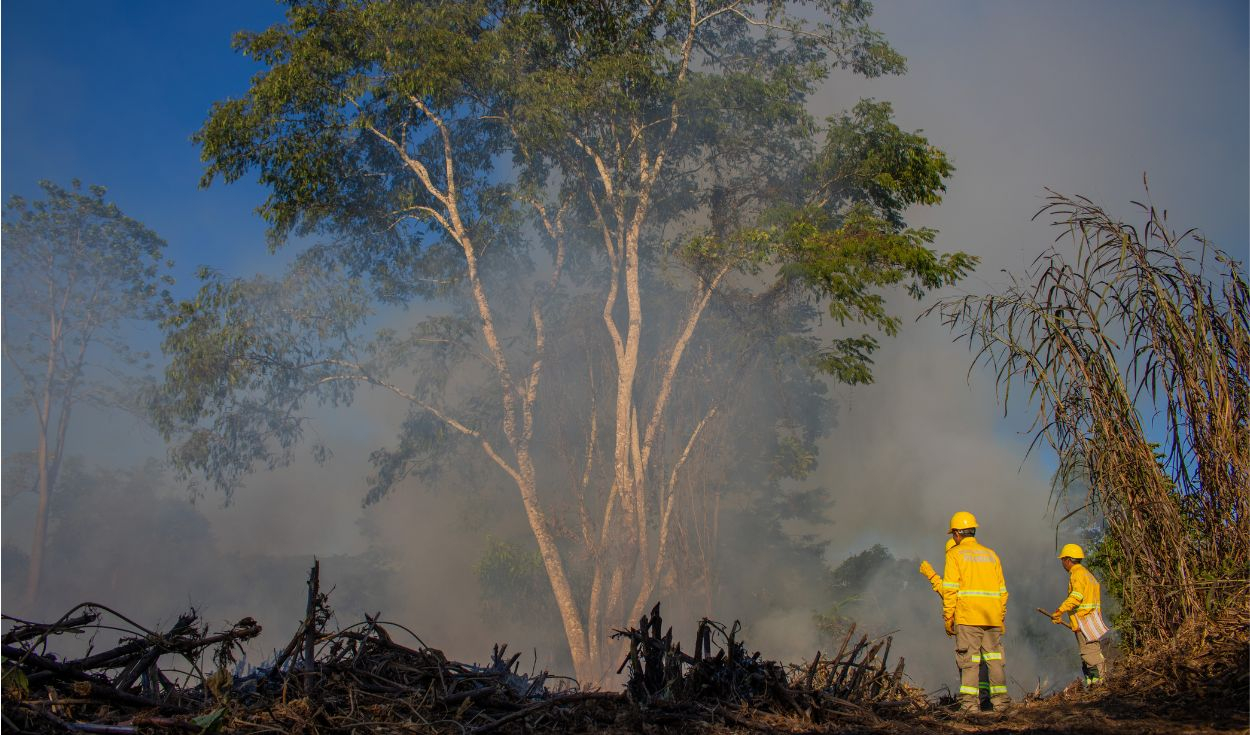
Satellites will help Asháninka communities detect forest fires as alarm grows
Asháninka communities along Peru's Ene River are preparing to add satellite technology to the way they detect and respond to forest fires. The Central Asháninka del Río Ene, known as CARE, has formall…
Multiple crash causes heavy traffic on Panamericana Norte, killing a driver
A multiple-vehicle crash killed a driver and seriously injured two other people on the Panamericana Norte in Ancón, Peru. The collision occurred in the early hours of Wednesday near kilometer 37.5, at…

September 2026 Public-Sector Payment Schedule Sets Salary and Pension Deposit Dates
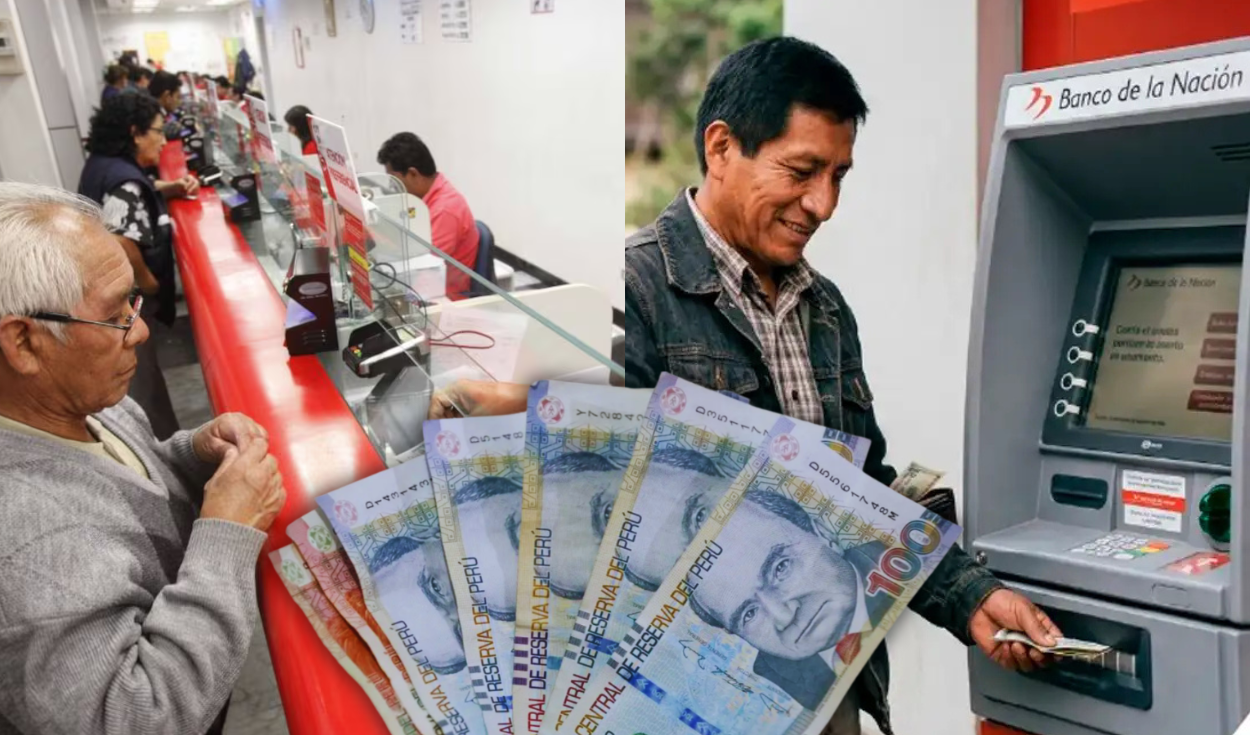
Peru’s September 2026 payment calendar sets out when public-sector employees and pensioners will receive their deposits through the Banco de la Nación. The schedule groups workers by their government …
El Niño Could Worsen Hunger as Millions of Peruvians Face Food Insecurity
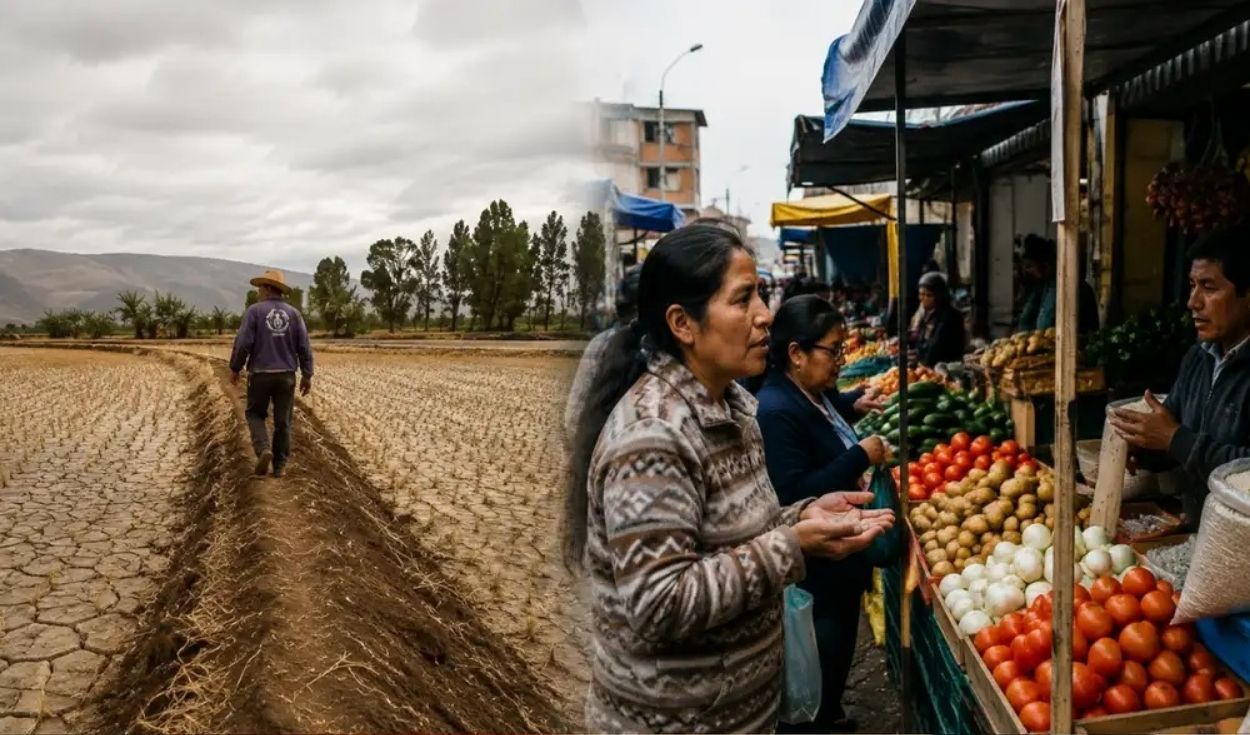
Peru could enter another climate emergency with roughly one-third of its population already struggling to secure adequate food. In 2025, 30.5 percent of Peruvians experienced moderate or severe food i…
Earthquake in Peru on Wednesday, Sept. 2: Where was the latest tremor and how strong was it?
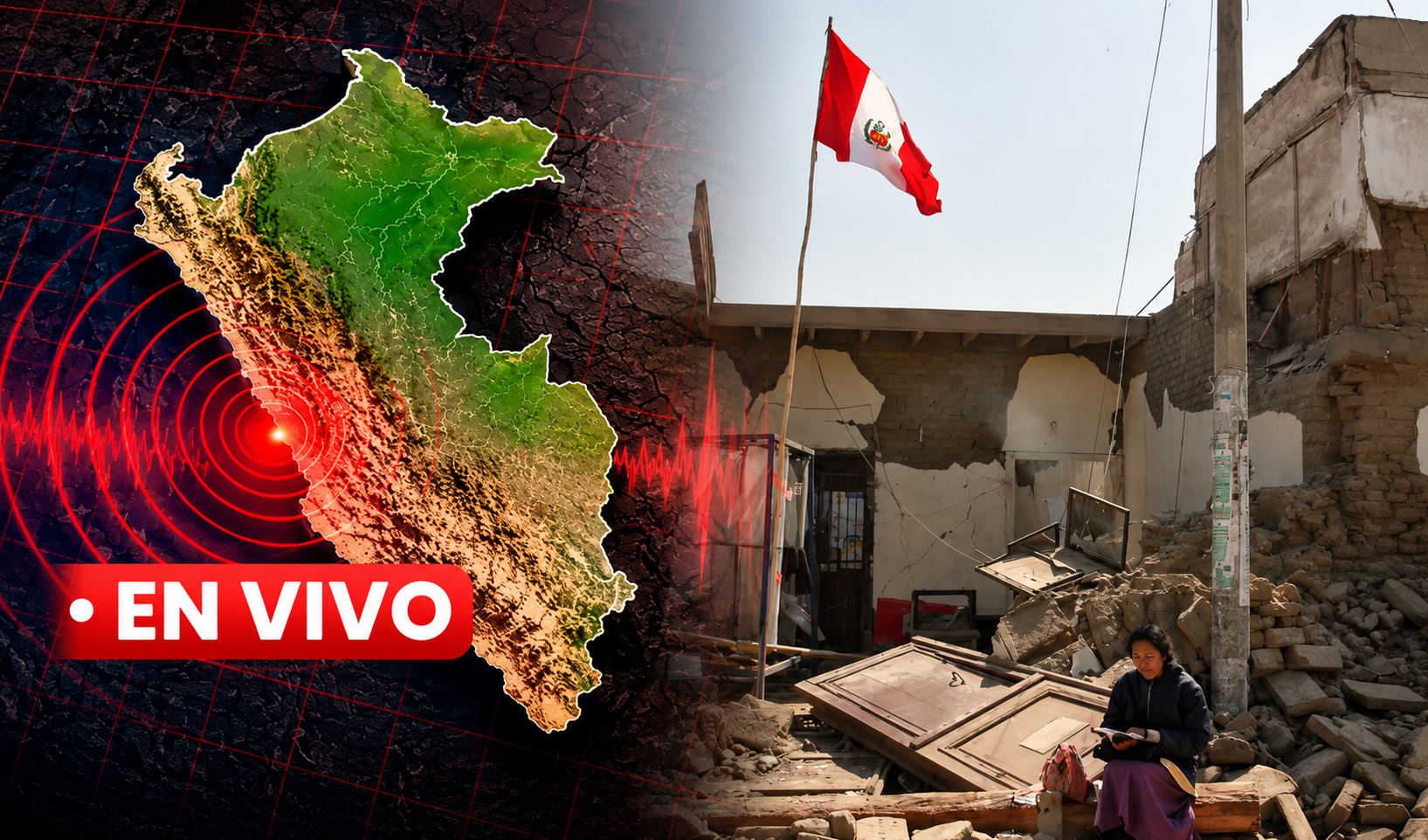
Peru’s latest tremor was reported by the Peruvian Geophysical Institute, which records the magnitude, epicenter, depth and time of each earthquake in the country. The update focuses on the most recent…
The Extraordinary Criminal History of Peru’s Most-Wanted ‘Jhonsson Pulpo’
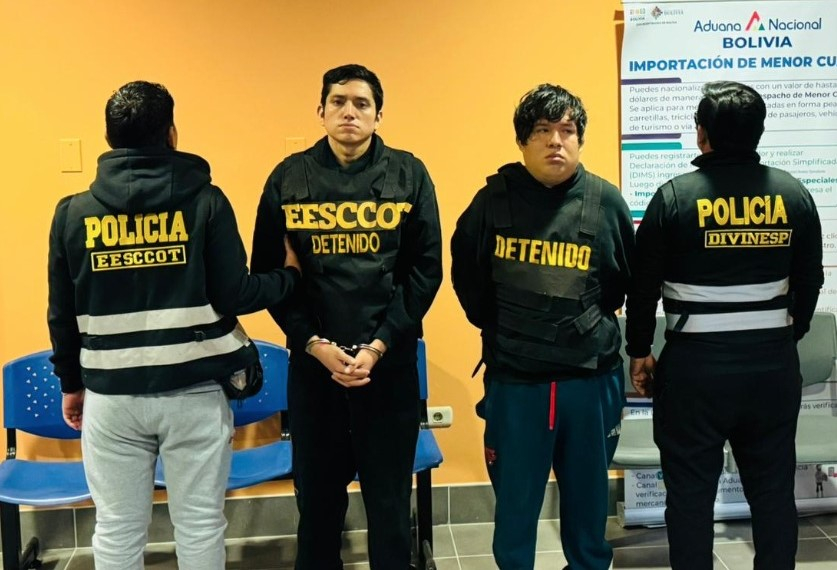
Jhonsson Smith Cruz Torres, one of Peru’s most-wanted fugitives, is back on Peruvian soil after being captured in La Paz, Bolivia. Authorities detained him alongside 23-year-old Gabriel Alexander Mend…
'Jhonsson Pulpo' arrives in Peru after Bolivia expels Los Pulpos leader
Jhonsson Smit Cruz Torres, alias “Jhonsson Pulpo,” is now in Peru after Bolivia expelled him following his capture in La Paz. The alleged leader of the Los Pulpos criminal organization crossed into Pe…
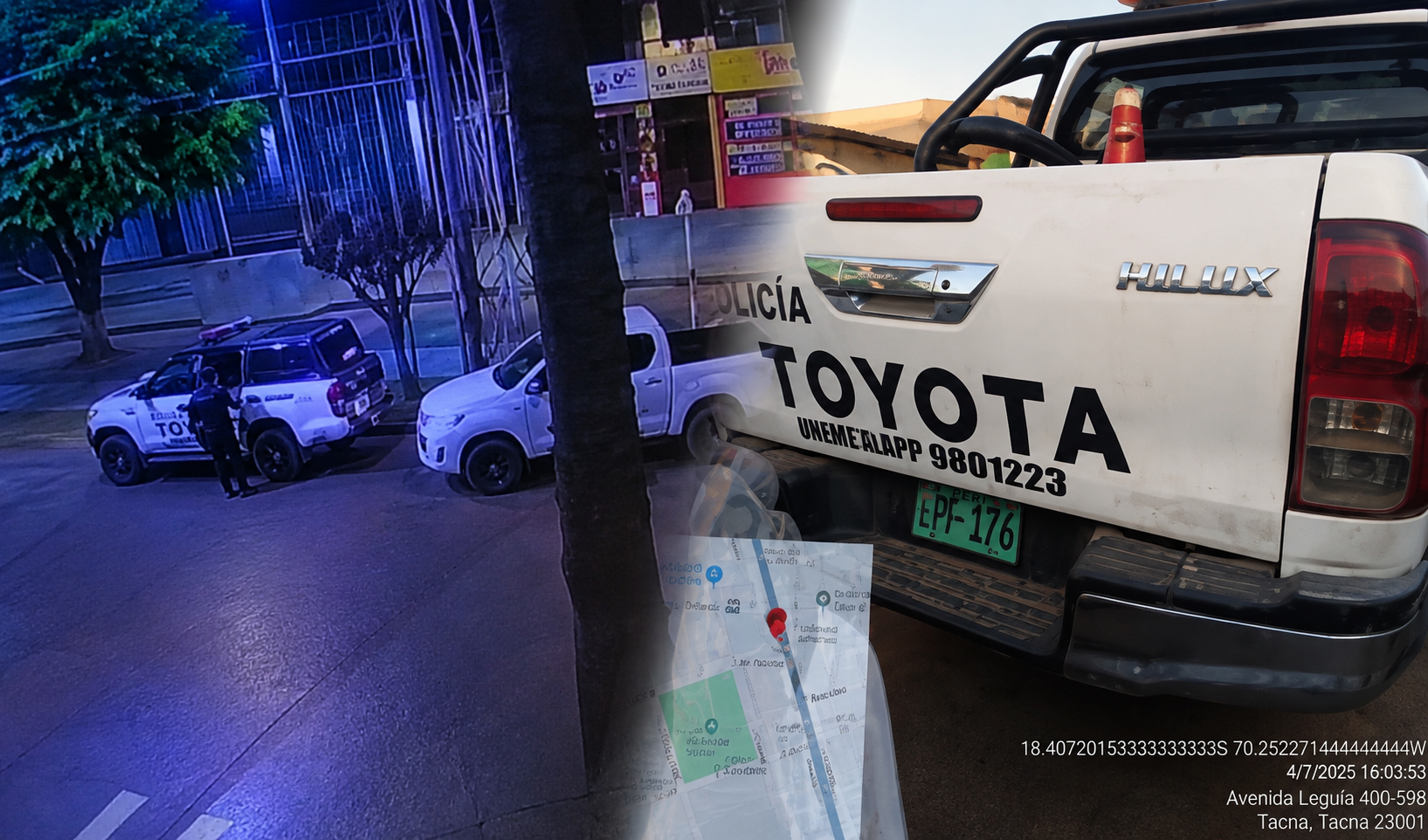
Peru police deny patrol vehicle involvement in Trujillo massacre, say truck used cloned plate
Peru’s National Police has rejected claims that one of its vehicles was used in the kidnapping of a businessman and the killing of four people in Trujillo, in the La Libertad region. In Communiqué No.…
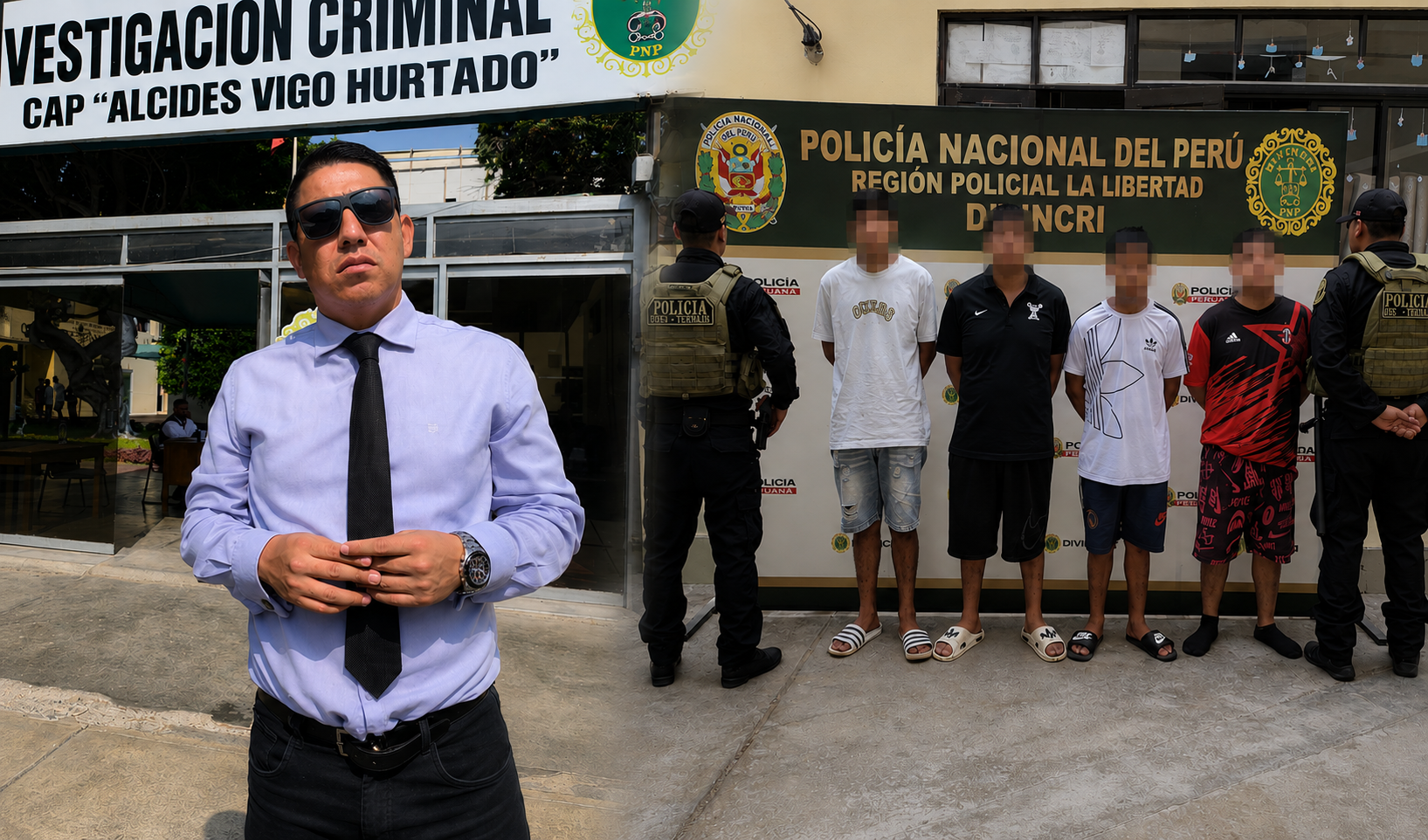
New turn in Trujillo massacre case: Defense says detainees were arrested over drugs, not four killings
The lawyer for two people detained in connection with the Trujillo massacre says they were initially arrested over alleged drug offenses, not for the kidnapping and killing of four people. Juan Alvara…
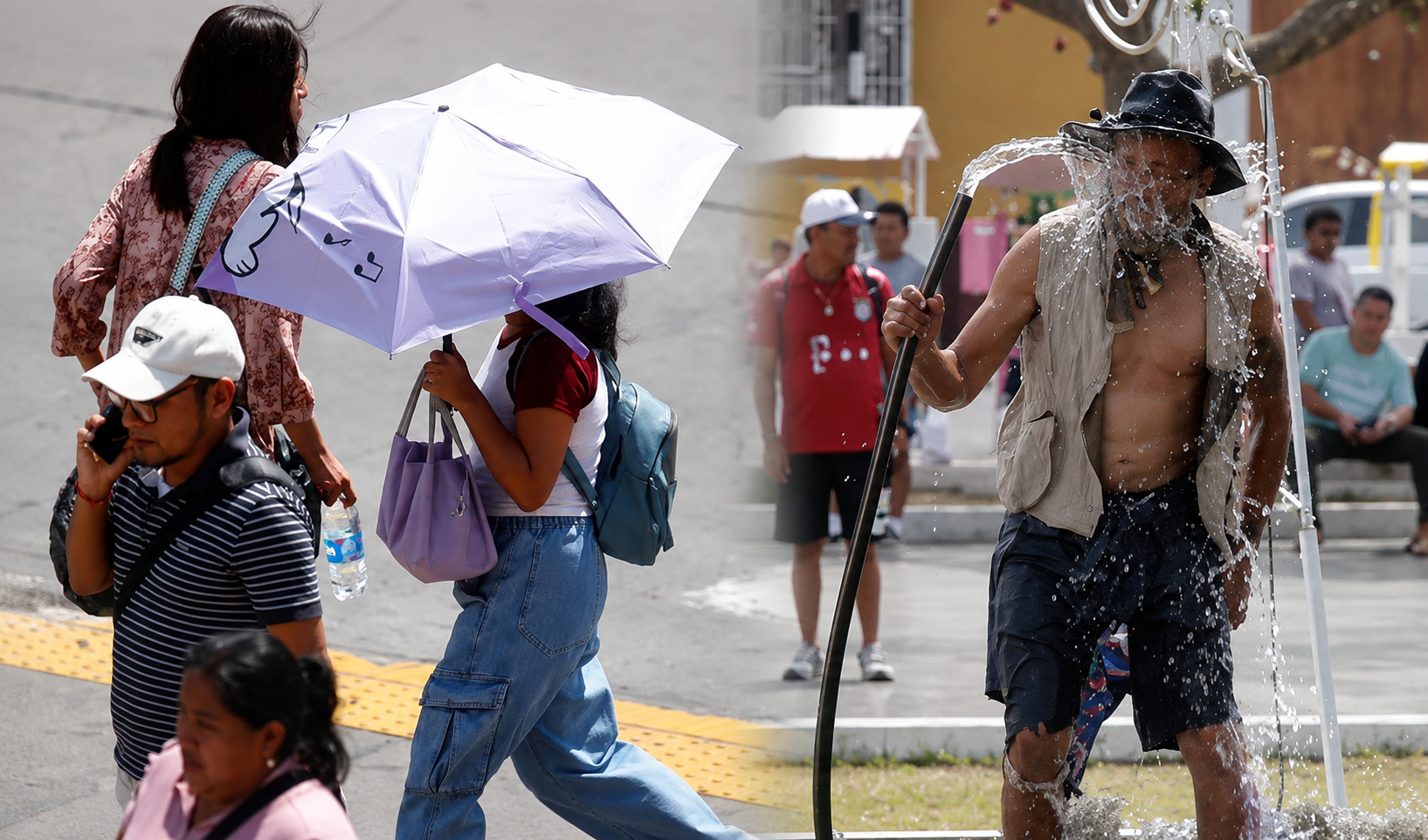
Peru Faces a Week of Sweltering Heat as Senamhi Warns of Peaks up to 38°C
Peru is heading into a week of intense heat, with temperatures forecast to reach 38°C in the northern jungle and 36°C along the northern coast. The National Meteorology and Hydrology Service, Senamhi,…
‘Jhonsson Pulpo’ captured in Bolivia on international warrant, after receiving life sentence
Jhonsson Smit Cruz Torres, known as “Jhonsson Pulpo,” was captured in La Paz after several years on the run. Peruvian police consider him one of the main leaders of the Los Pulpos de Cruz Blanca crimi…
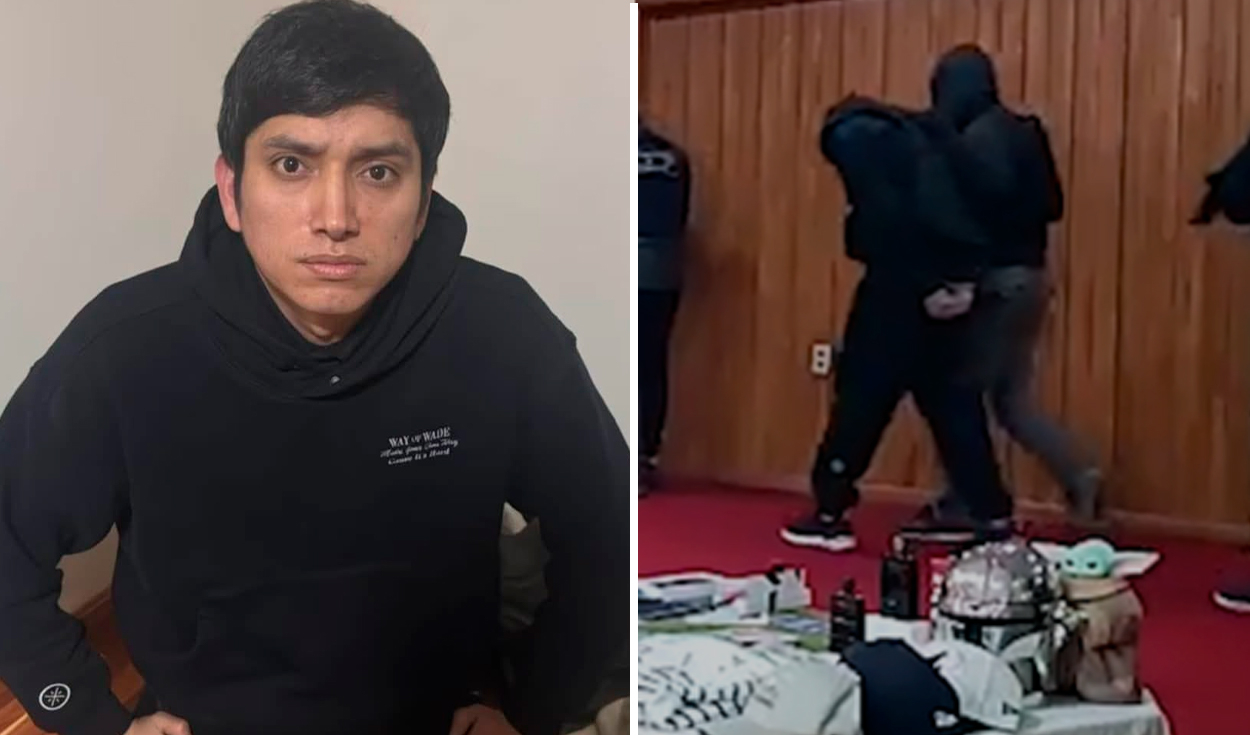
Need to apply for or renew your ID? Reniec offers free services in Lima and 15 other regions
Peru’s National Registry of Identification and Civil Status, known as Reniec, is taking free identity-document services to public venues across 16 regions from Aug. 31 to Sept. 6. The mobile campaign …
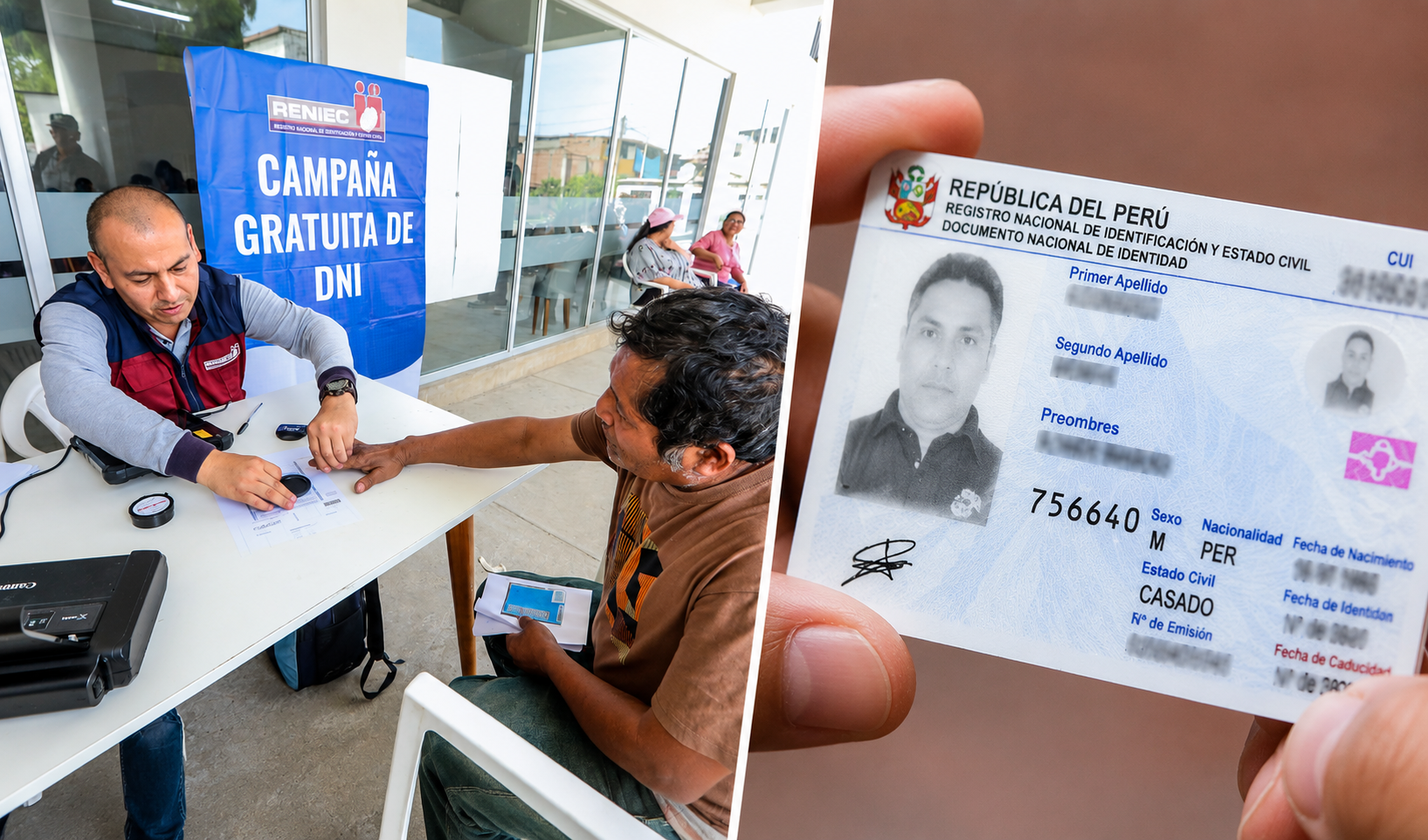
Six patients receive a new chance after family authorizes organ donation
A family's decision during a time of grief gave six patients a new chance after doctors transplanted organs and tissues from a deceased relative in northern Peru. The procedure marked EsSalud's 30th o…
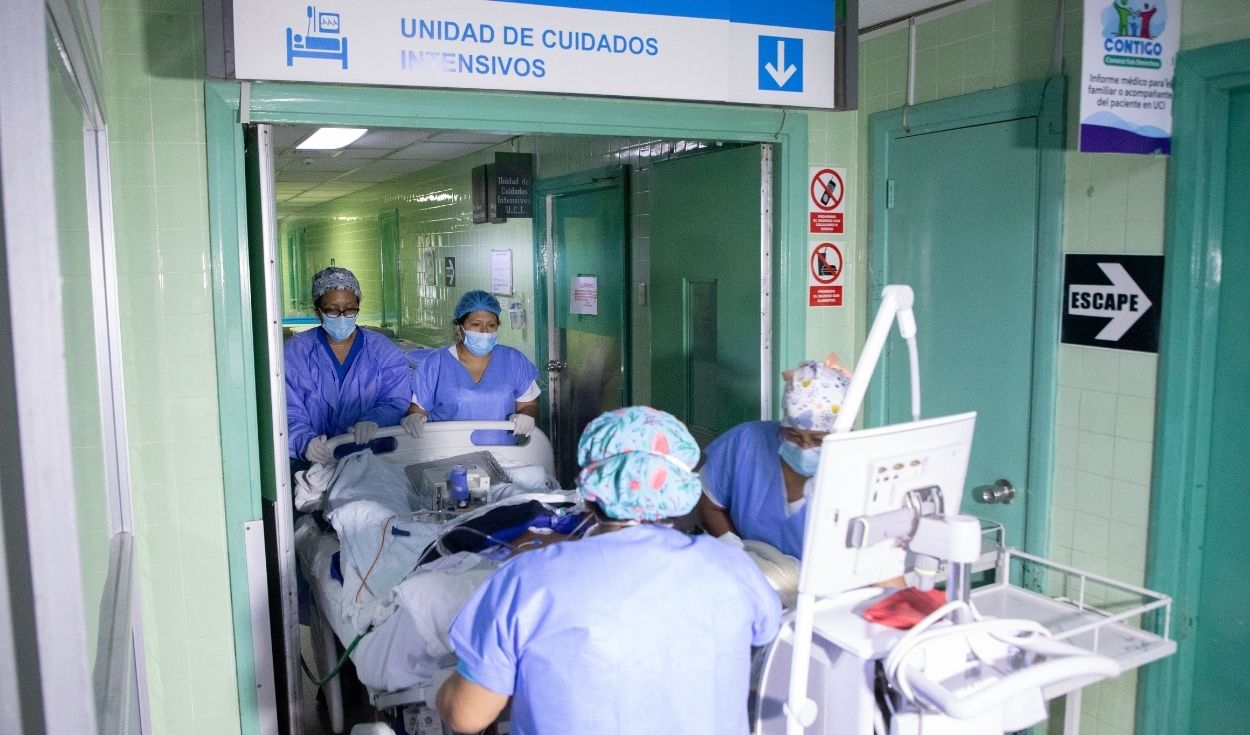
Free electronic ID services available through September 6 in 16 Peruvian regions
Peru's National Registry of Identification and Civil Status, known as Reniec, is taking free electronic ID services to public spaces across 16 regions through Sunday, September 6. The campaign covers …
A 24,000-tree forest at Lima’s Sinchi Roca Park disappeared after land was ceded for Metropolitano works
A forest of roughly 24,000 trees stood in the part of Lima’s Sinchi Roca Park that was later ceded for Metropolitano transport infrastructure, according to official documents reviewed by Actualidad Am…
16-year-old disappears on way to school in La Molina as family seeks help
Matías Jorge Vidal de la Vega, 16, disappeared after leaving his home in La Molina on the morning of Monday, August 31, to go to Nuestra Señora del Consuelo School in Monterrico. Police said he was la…

‘Jhon Pulpo’ changed his appearance to evade justice before capture in Bolivia
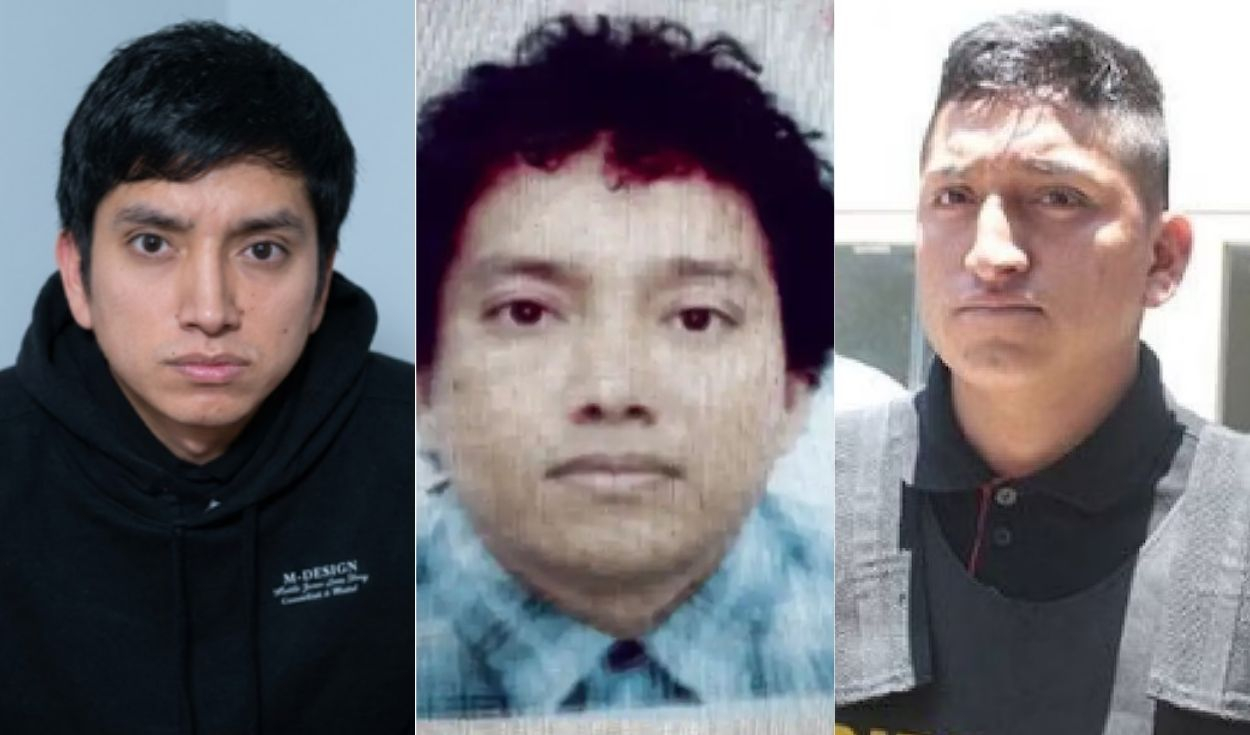
Jhonsson Smith Cruz Torres, known as Jhon Pulpo, appeared markedly different when Bolivian authorities captured him on Tuesday, Sept. 1. His hair was straight and combed down, his eyebrows were fuller…
Peru Prosecutor Warns Evidence Does Not Yet Link Five Detainees to Trujillo Killings and Kidnapping
Peru’s lead organized-crime prosecutor is urging caution over five people detained after a deadly attack and kidnapping in Trujillo, saying police suspicions are not yet proof. Jorge Chávez Cotrina sa…

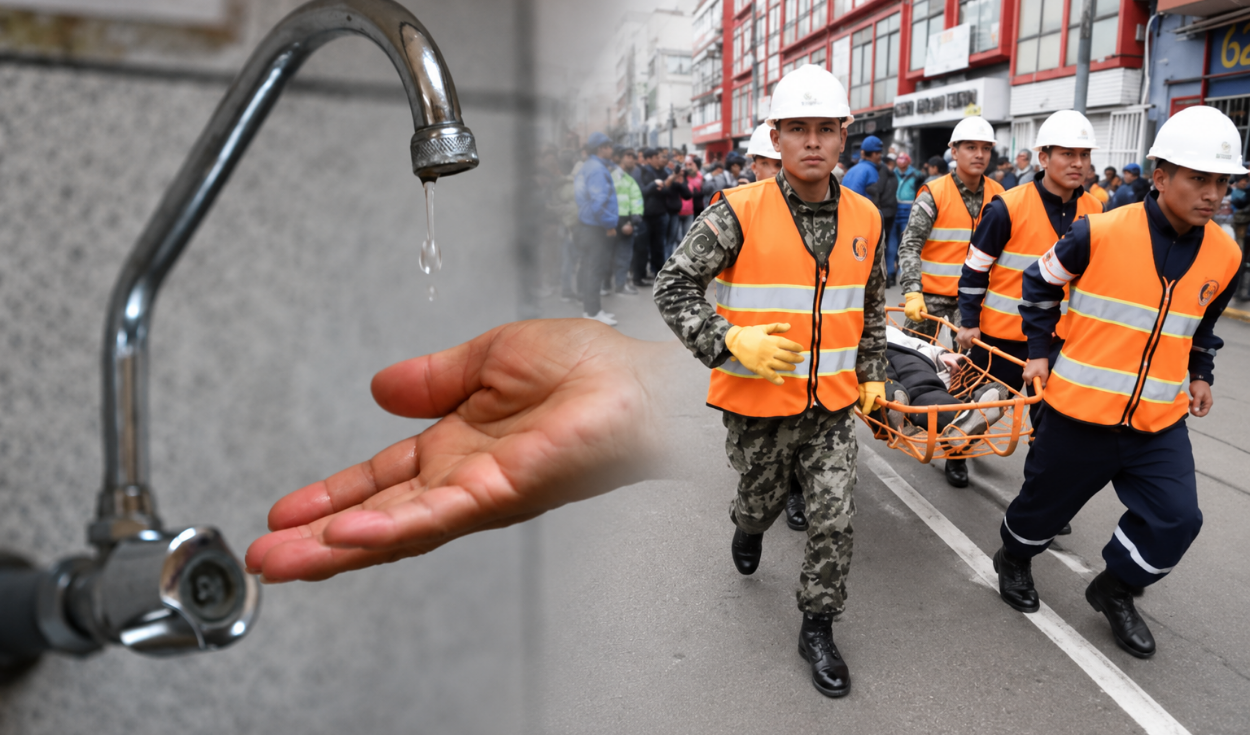
Sedapal warns a moderate earthquake could cut water for 40% of Lima and Callao
A moderate earthquake could leave up to 40% of Lima and Callao without water, according to a Sedapal report warning that parts of the capital’s water system face advanced deterioration and possible co…
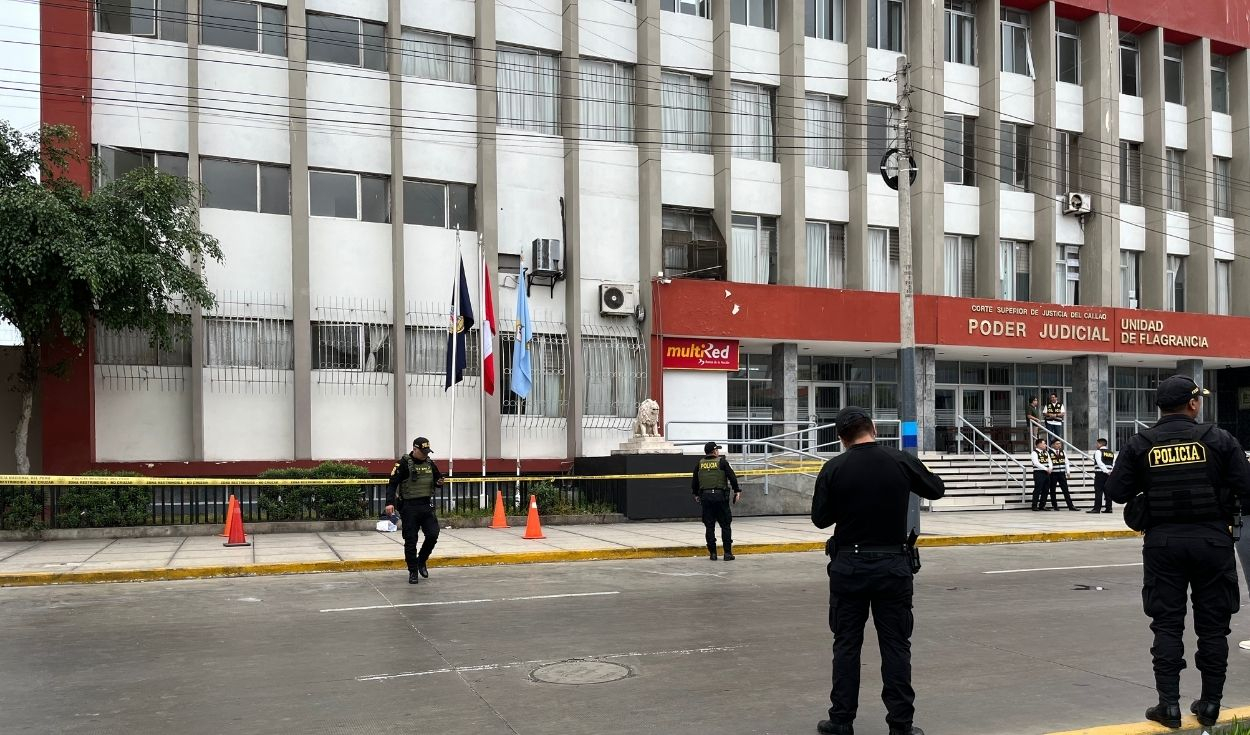
Grenade and Threat Against Judges Found Outside Callao Superior Court
A grenade was found in a paper bag outside the Superior Court of Justice of Callao, together with a letter threatening judges with further attacks. The message warned of new attacks if magistrates con…
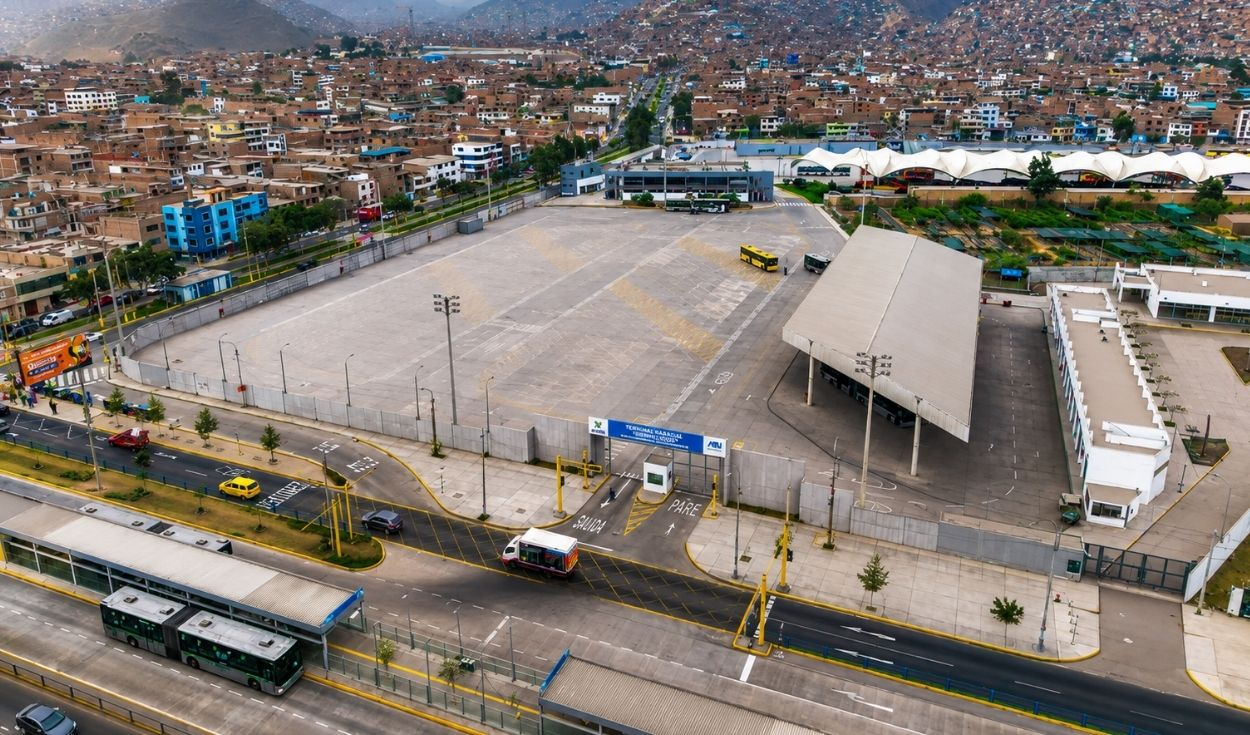
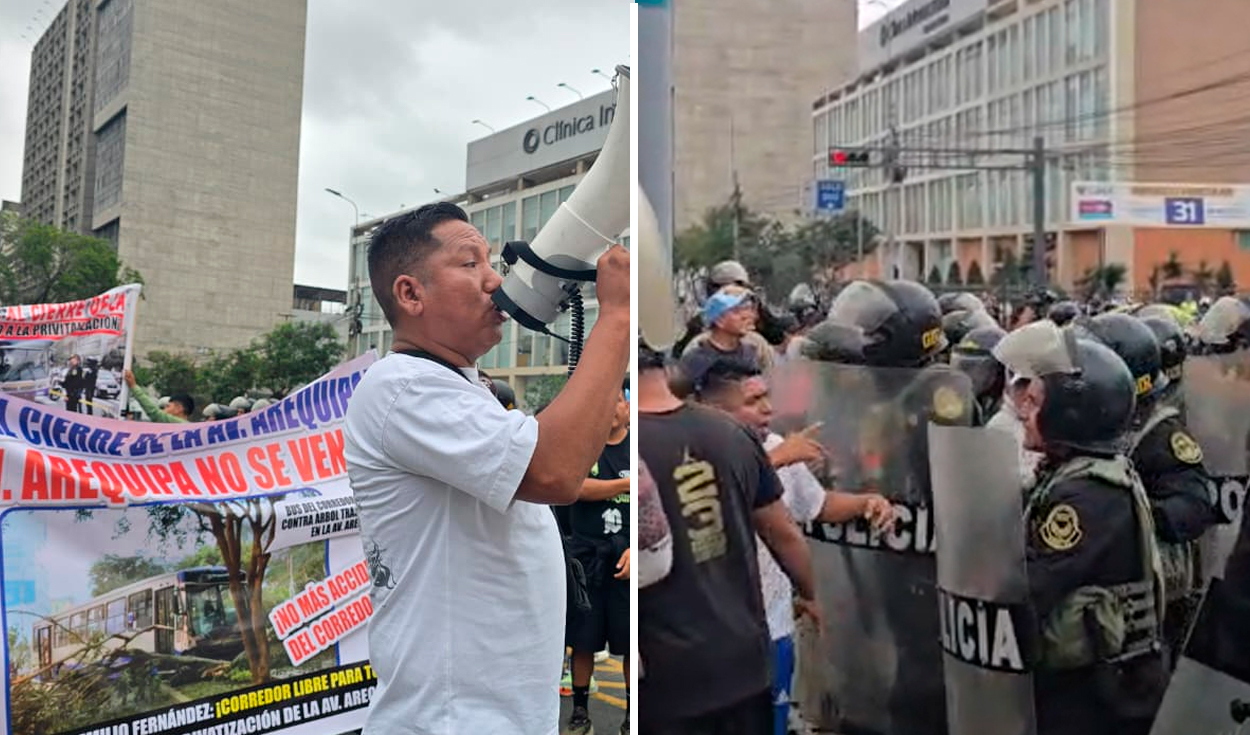
Collective taxi drivers occupy Garcilaso de la Vega Avenue and block part of Arequipa Avenue in protest against ATU closure
Collective taxi drivers took over part of Arequipa Avenue and marched along Garcilaso de la Vega Avenue, challenging the Urban Transport Authority for Lima and Callao over the closure of the major Lim…
Peru Announces Capture of Los Pulpos Leader Jhon Pulpo in Bolivia: “He Has Finally Fallen”
“Jhon Pulpo, the main leader of this organization, has been arrested. In Trujillo, they are the fear of everyone. This leader has finally fallen,” Interior Minister César Astudillo said after authorit…

Óscar Pacheco: San Marcos pays tribute to a master of photography
For Óscar Pacheco, photography was never just a technical skill. It was a way to look at life, understand reality and preserve it as a testimony for future generations. Generations of journalists, pho…

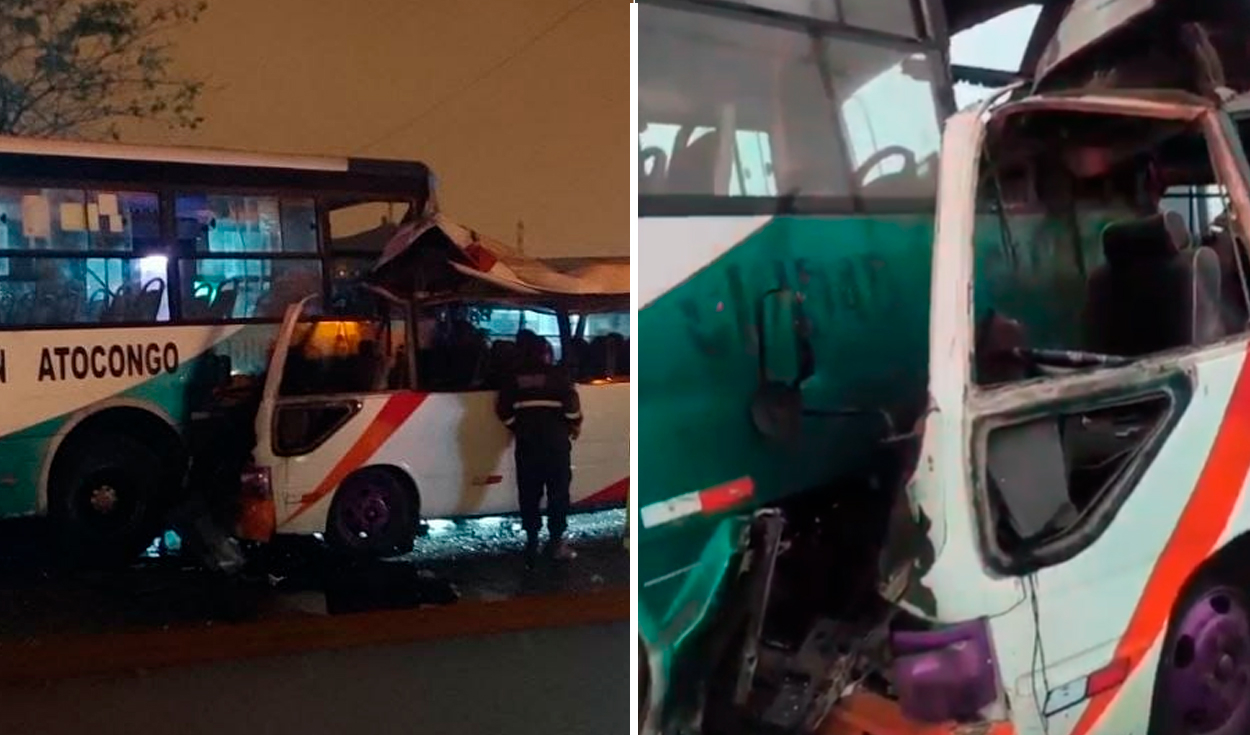
Eight Passengers Injured in Collision Between Los Anconeros Minibus and Vipusa Bus in Northern Lima
Eight people were injured early Tuesday when a Los Anconeros minibus crashed into the back of a Vipusa bus on Lima’s Panamericana Norte. The collision occurred at about 5 a.m. near the Cementerio stop…
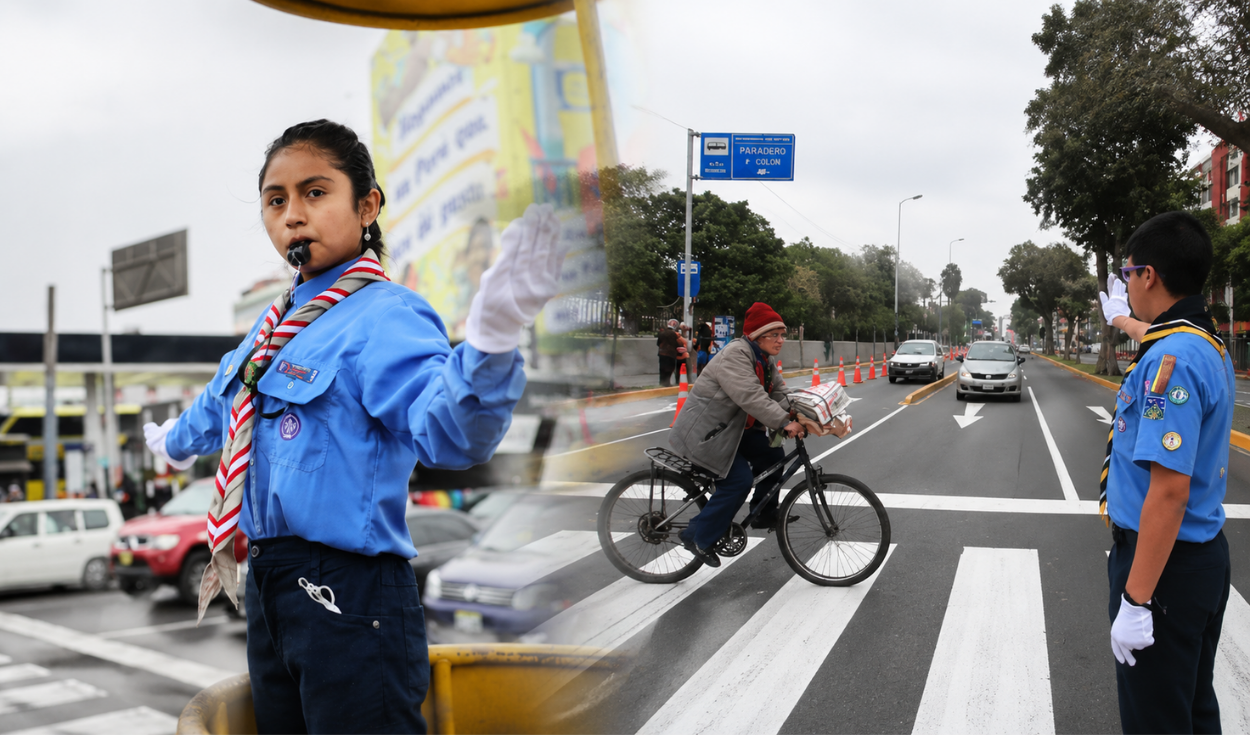
Scouts to direct traffic on Santa Rosa de Lima holiday
In a unique display of community service, members of the Scouts of Peru will once again take to the streets to direct traffic on Sunday, August 30th. This tradition, held annually in honor of Santa Ro…
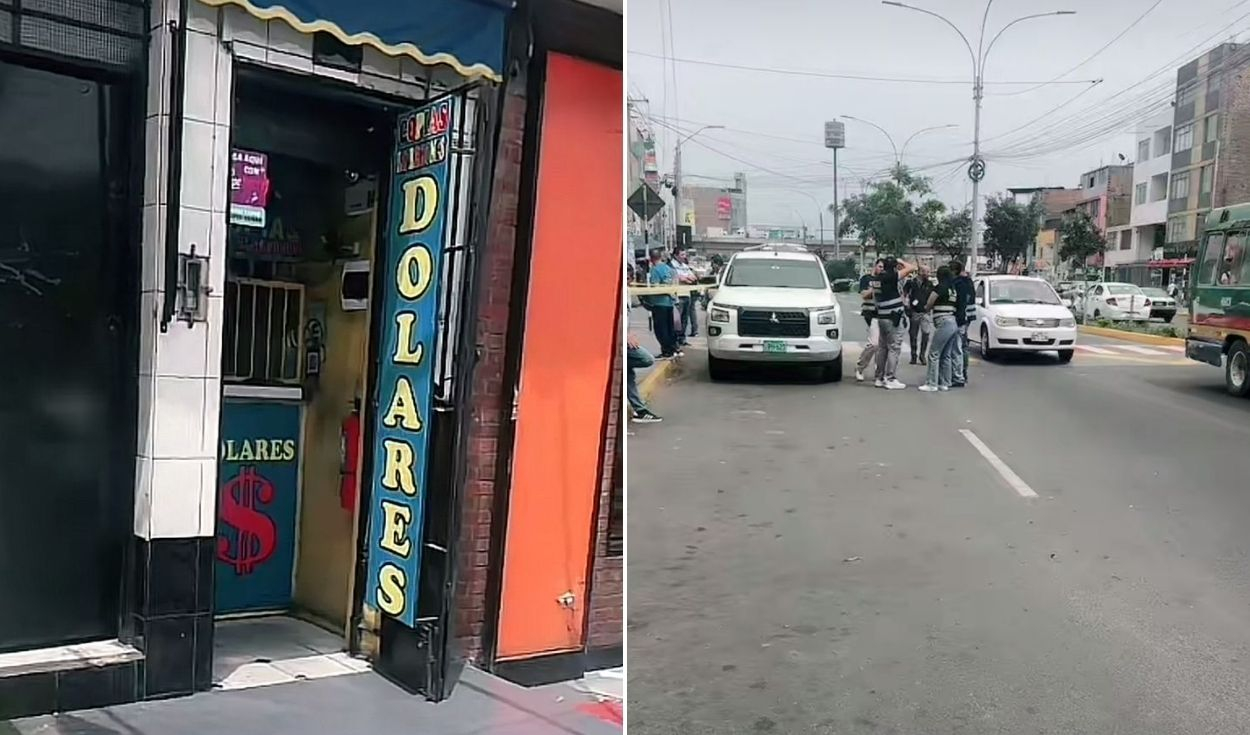
Thieves steal over S/50,000 from Peru exchange house after breaking through wall
A group of thieves allegedly stole more than S/50,000 (approximately $13,500 USD) from a currency exchange house in San Martín de Porres, Peru, during the early hours of Saturday, August 29. The crimi…
Peru braces for eighth cold front of the year, bringing rain, wind, and lower temperatures
Peru is preparing for the arrival of the eighth cold front of the year, which is expected to impact the southern jungle region starting Tuesday, September 1. The National Meteorology and Hydrology Ser…
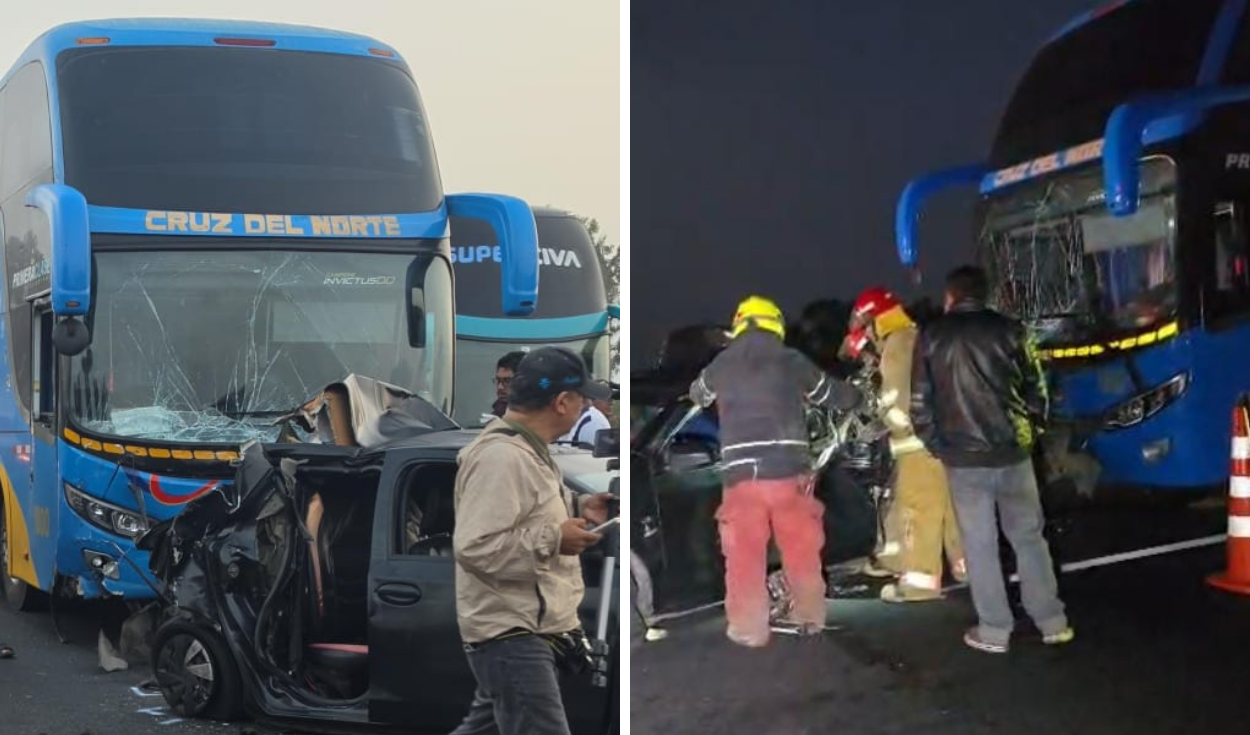
Pan-American Highway crash kills two in Peru
A tragic accident on the Pan-American Norte highway in Peru has resulted in the deaths of two passengers traveling in a collective taxi. The incident occurred at kilometer 155, near the boundary of th…
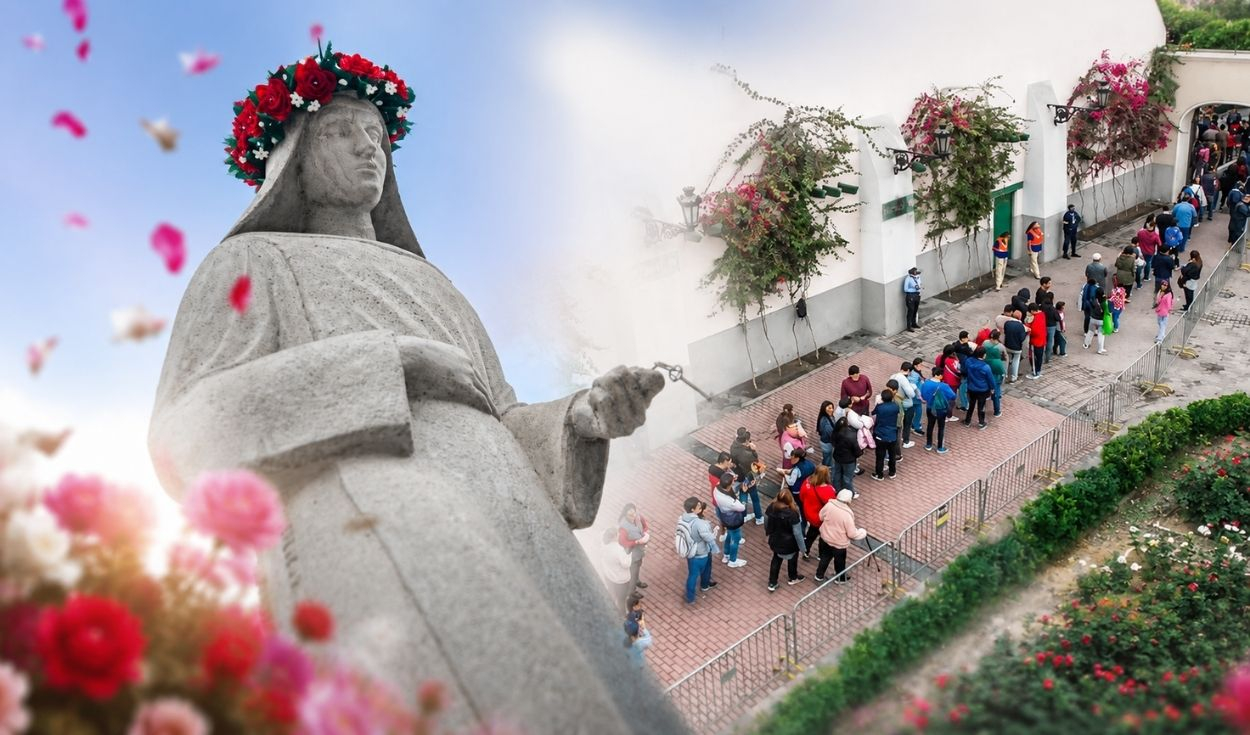
Lima Closes Streets for Santa Rosa de Lima Celebrations
Lima's Historic Center will experience significant traffic disruptions on Sunday, August 30, as the municipality implements road closures and vehicle restrictions for the celebrations honoring Santa R…
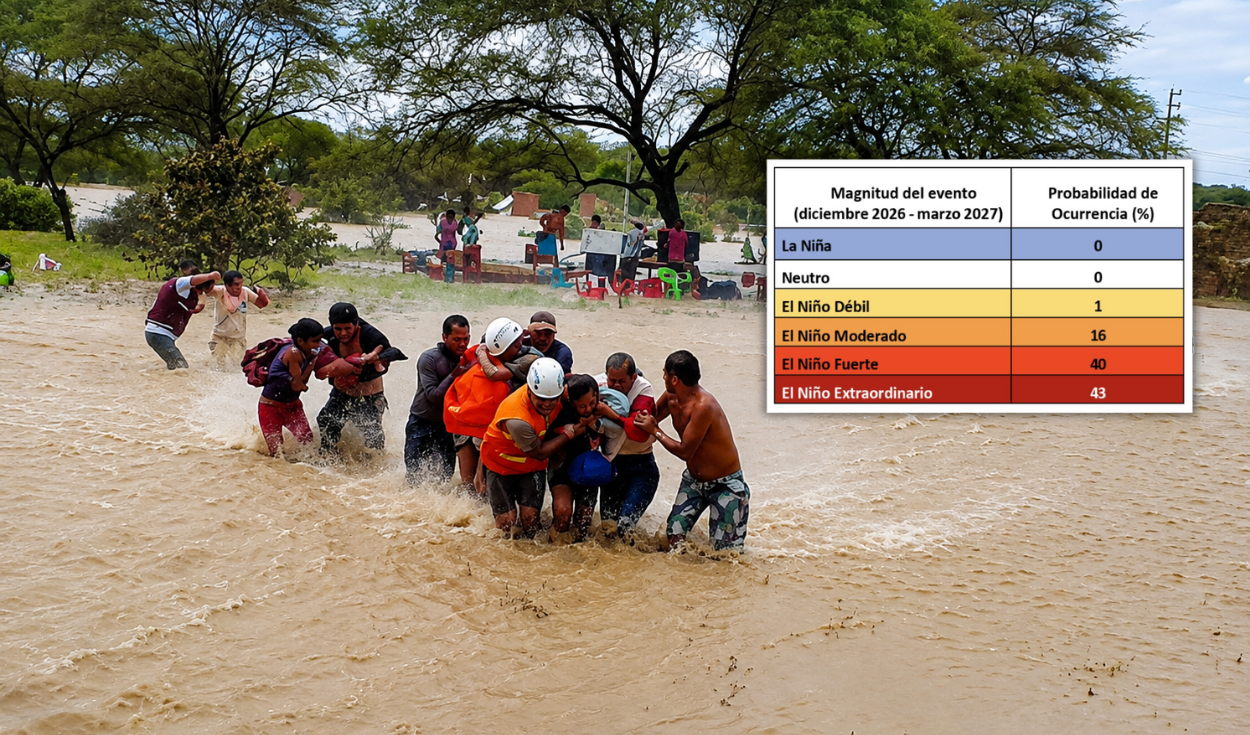
Peru's coastal El Niño event could be 'extraordinary' until 2027, experts warn
Peru's National Climate Phenomena Study Commission (ENFEN) has issued a stark warning: the coastal El Niño event is likely to persist, with a high probability of continuing until the summer of 2027. T…
Peru's Geophysical Institute Reports Earthquakes on August 29, 2026
The Geophysical Institute of Peru (IGP) has issued reports detailing seismic activity across the country on Saturday, August 29, 2026. These reports offer crucial information for residents, including …
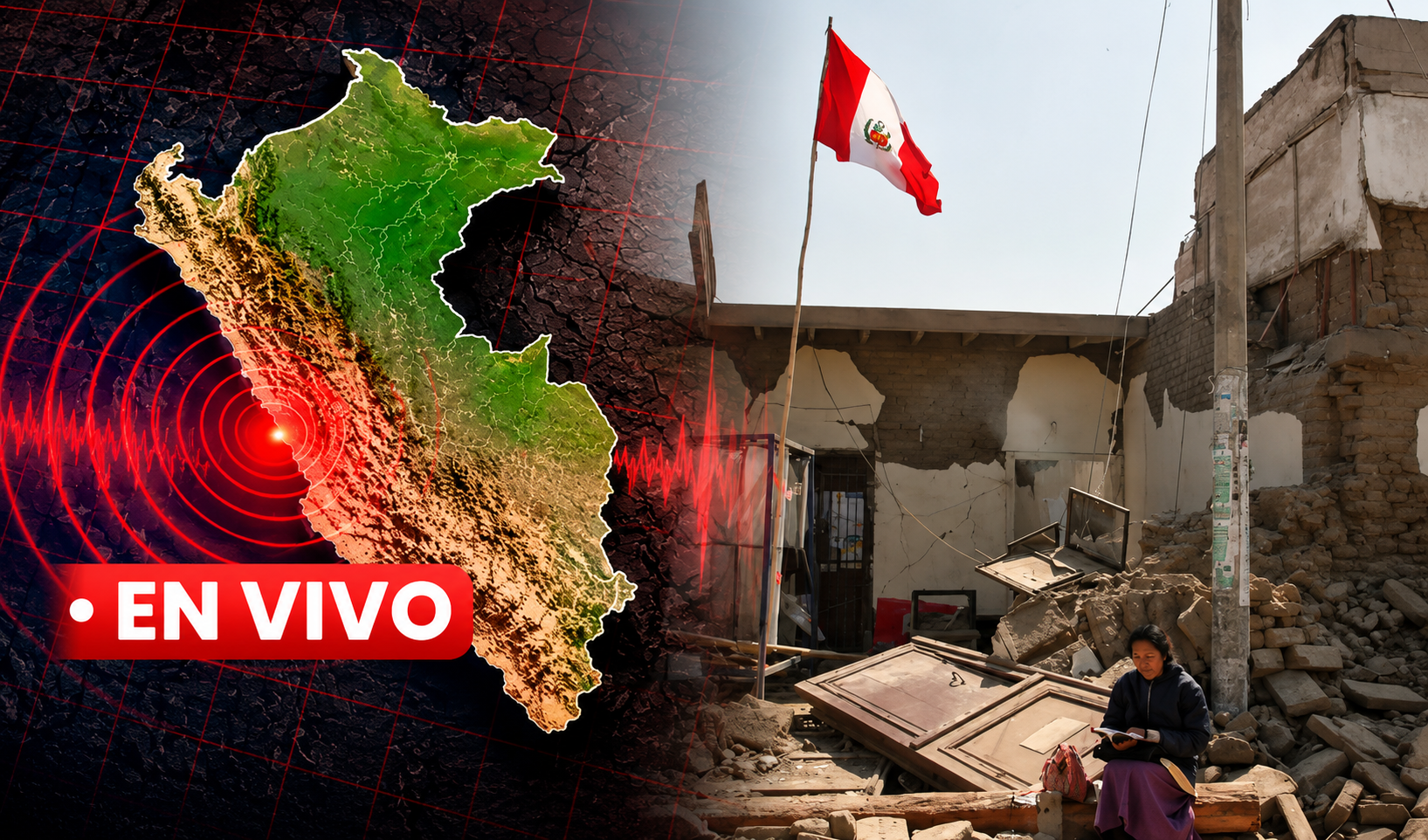
Community Leader Fatally Shot in San Juan de Miraflores; 14 Shell Casings Found at Scene
A community leader, Betxí Malva, died on Friday, August 28, after being shot multiple times at her establishment in San Juan de Miraflores. The attack took place around 1:30 p.m. in the Agrupación de …
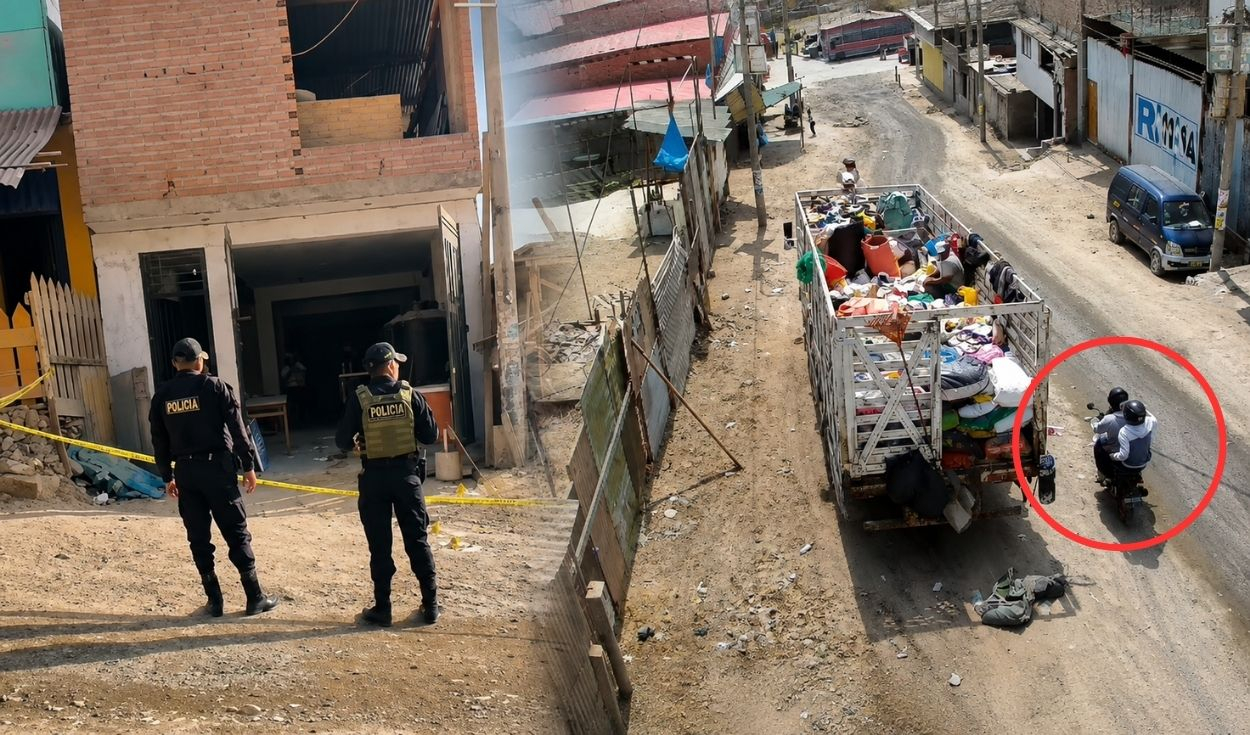
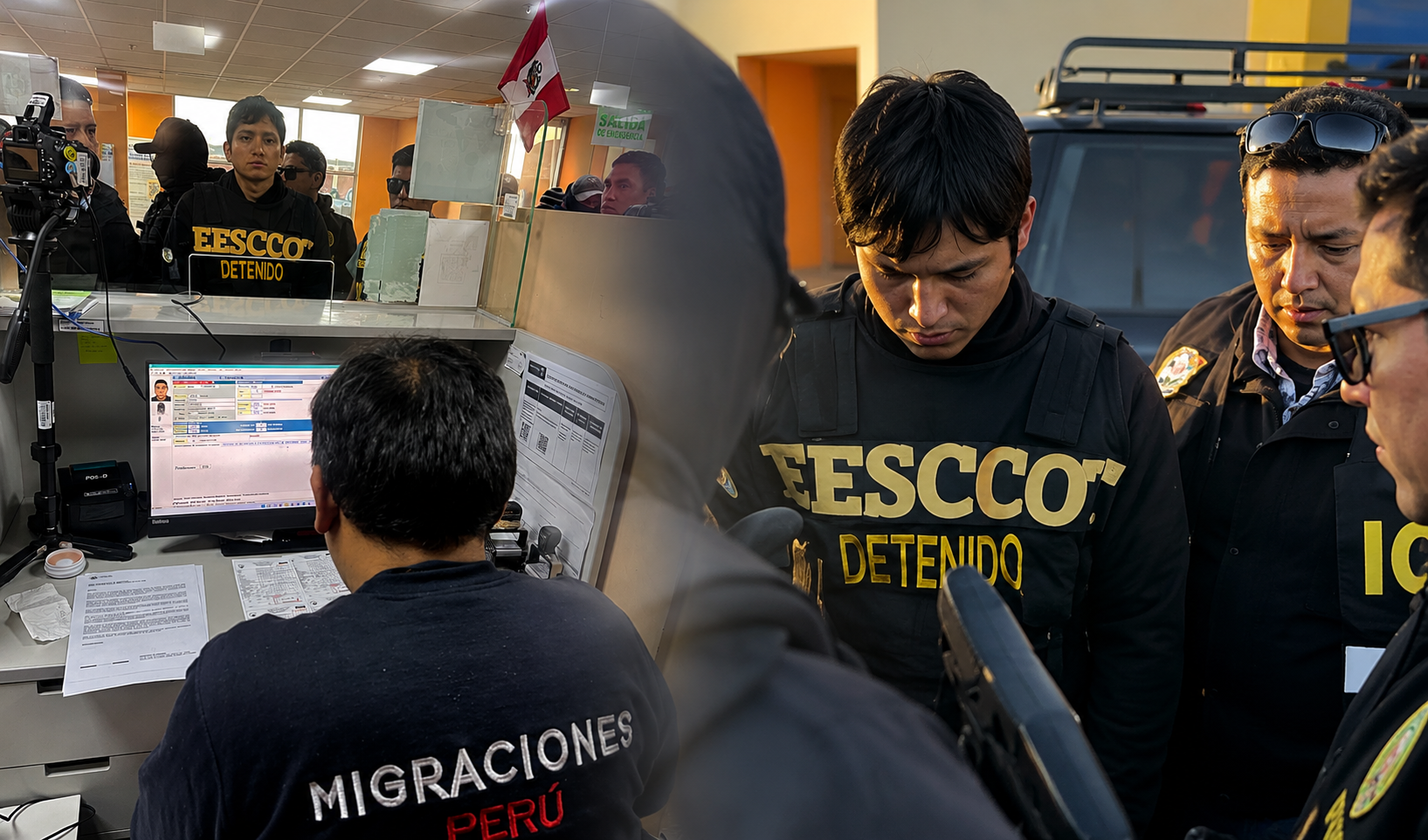
Mega-operation in Puno Bus Terminal: Immigration and PNP detain undocumented foreigners, expel 23
Peruvian immigration authorities, in collaboration with specialized units of the National Police, carried out a significant operation at the Puno Bus Terminal, targeting undocumented foreign nationals…
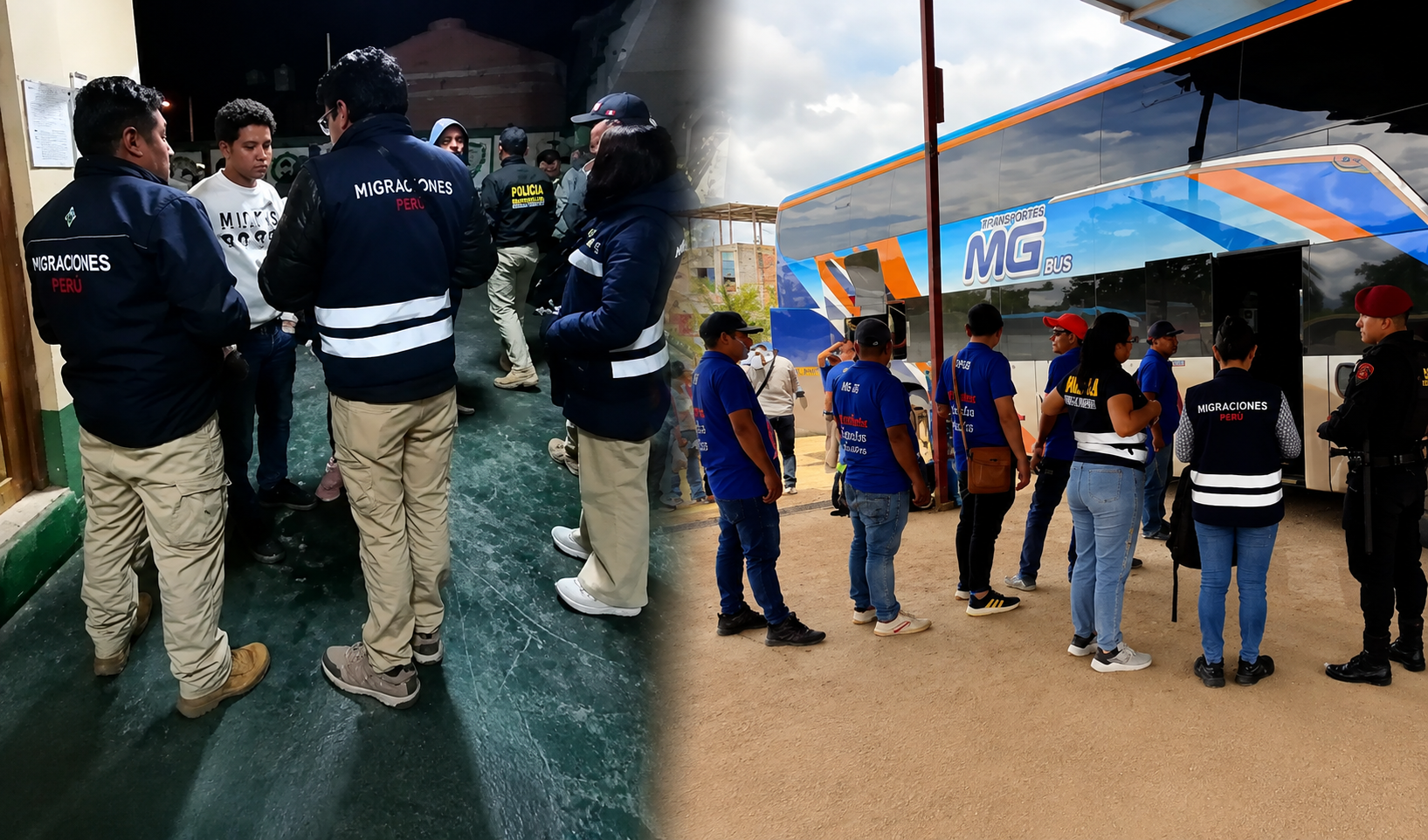
Piura homebuyers demand money back after property project delays
Homebuyers in Piura are demanding their money back from the OL&AS group after the company failed to deliver lots in the Tahití Blue real estate project on time. Andrea Sánchez Chirichigno, who purchas…

Peru's Space Agency Deploys Satellite to Monitor Nepal Floods
The Peruvian Space Agency (CONIDA) has mobilized its PeruSAT-1 satellite to contribute vital imagery for monitoring the devastating floods in Nepal. This deployment allows for the assessment of affect…

Peru's EsSalud to Transfer Funds for Pending Payments to Hospitals
Peru's Social Health Insurance (EsSalud) is set to transfer essential funds to its healthcare networks across the country. This move, directed by executive president Hilda Sandoval Cornejo, aims to se…

Peru Loses 59% of Glaciers in 60 Years, Raising Flood Risks
Peru is facing a critical environmental crisis as a new study reveals the nation has lost a staggering 59% of its glaciers over the last 60 years. The findings, from the National Institute for Researc…

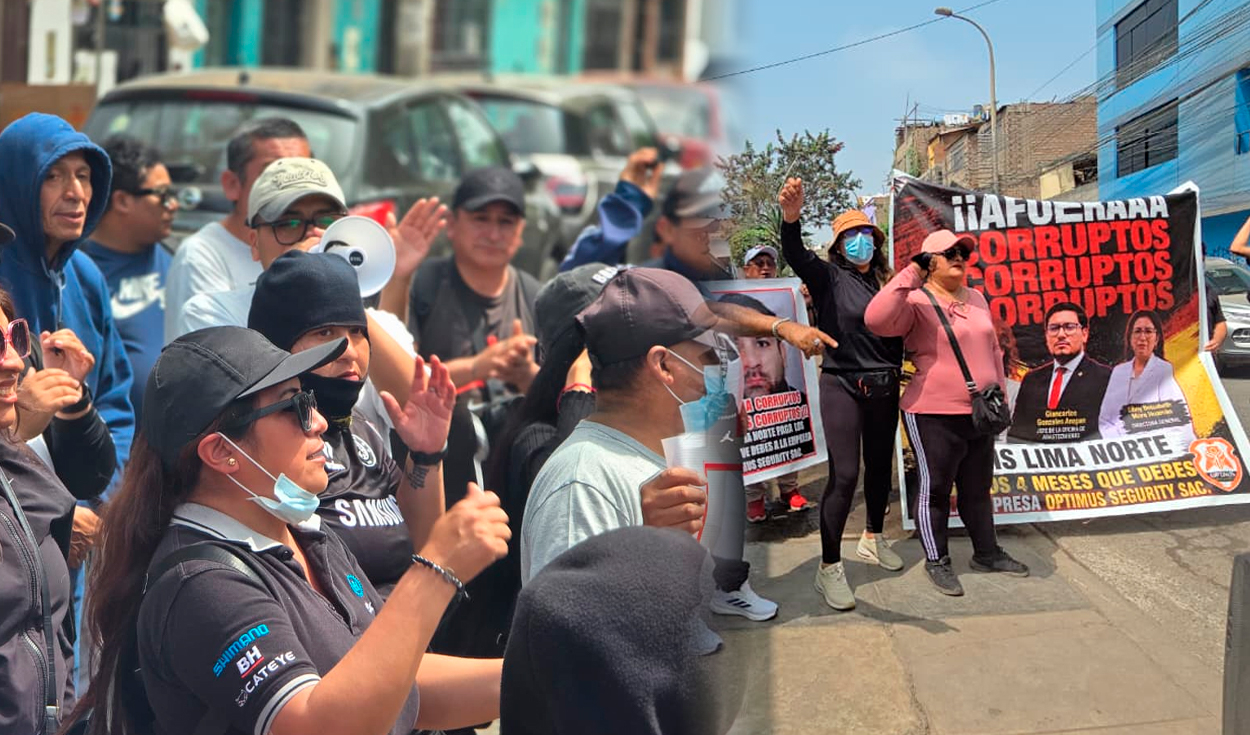
Lima Norte workers protest over 5 months of unpaid wages
Workers from security, cleaning, and laundry services are protesting outside the Diris Lima Norte offices in Peru, demanding that the state entity settle overdue payments to their contracting company.…
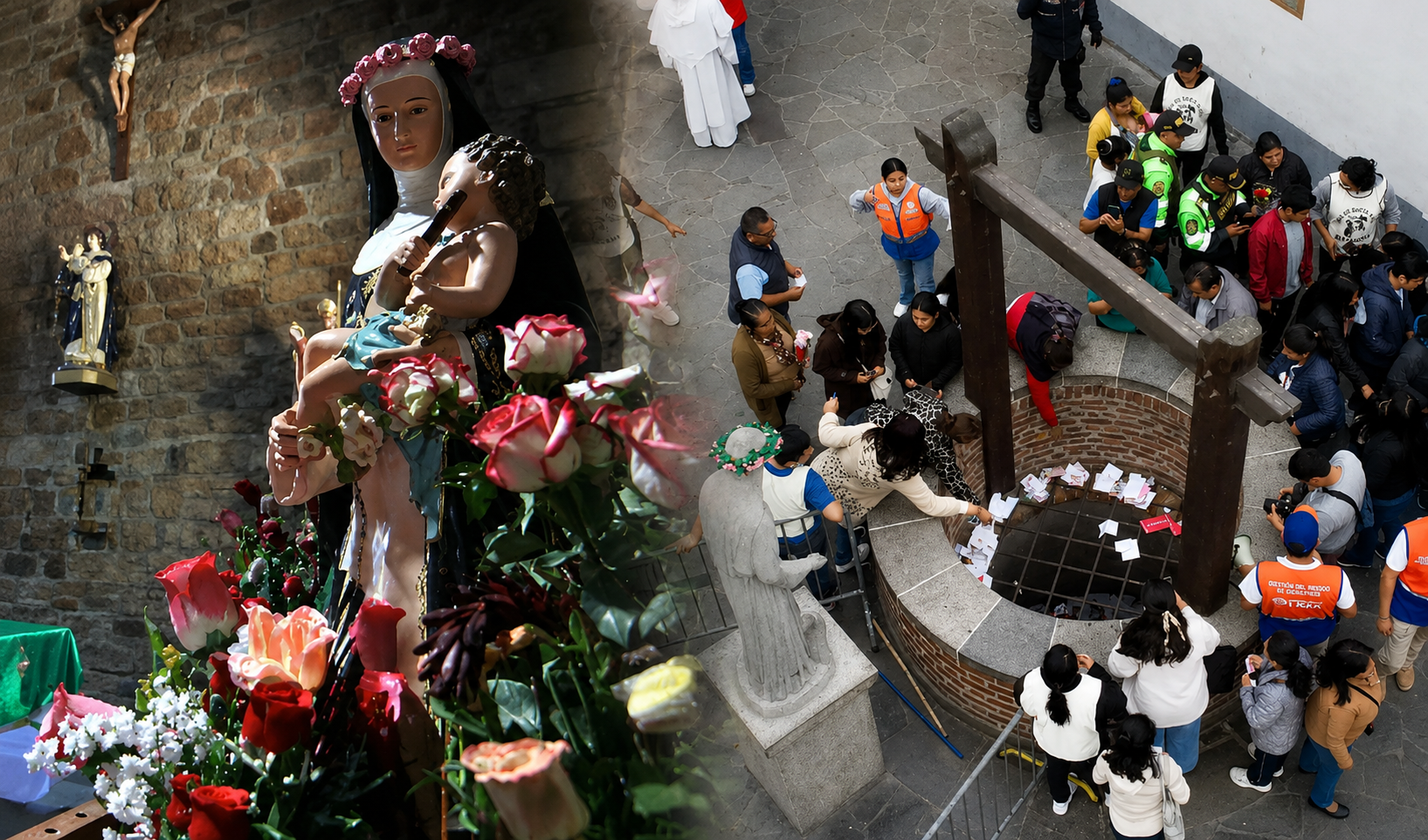
Peru's Santa Rosa de Lima festival: Hours for sanctuary, wishing well, and masses announced
Thousands of devotees are set to gather at the Sanctuary of Santa Rosa de Lima in Lima on Sunday, August 30, to celebrate the patron saint of Peru. Authorities anticipate an attendance of at least 50,…
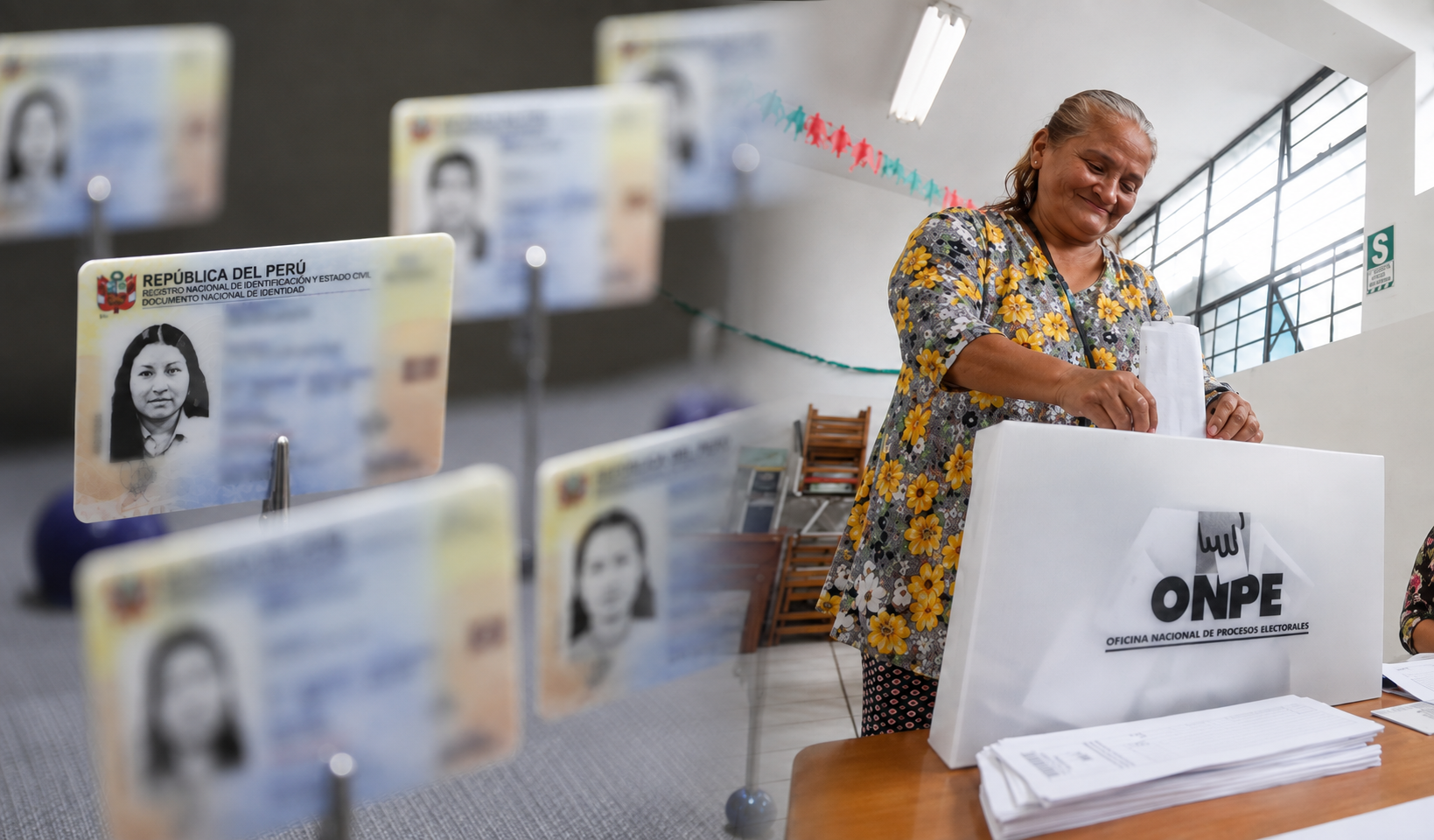
Peru confirms: Expired or yellowing ID cards valid for 2026 regional elections
Peruvians will be able to cast their votes in the 2026 Regional and Municipal Elections even if their national identity documents (DNI) have expired. The National Registry of Identification and Civil …
US Pauses Immigrant Visa Appointments for Consular Training
The United States has temporarily suspended immigrant visa interviews at its embassies and consulates worldwide, a move that affects individuals seeking permanent residency, including Peruvian citizen…

Alleged 'Tren de Aragua' leader 'Nairobi' extradited to US from Colombia
Luis Saúl Pérez Nieto, identified as 'Nairobi' and a key figure in the transnational criminal organization Tren de Aragua, has been captured in Colombia and is awaiting extradition to the United State…

Peruvian tourists cancel trips north and center due to flood fears
The approaching peak of the El Niño phenomenon is already impacting Peru's tourism sector. Travelers who had booked trips to various parts of the north and center of the country are now canceling or p…
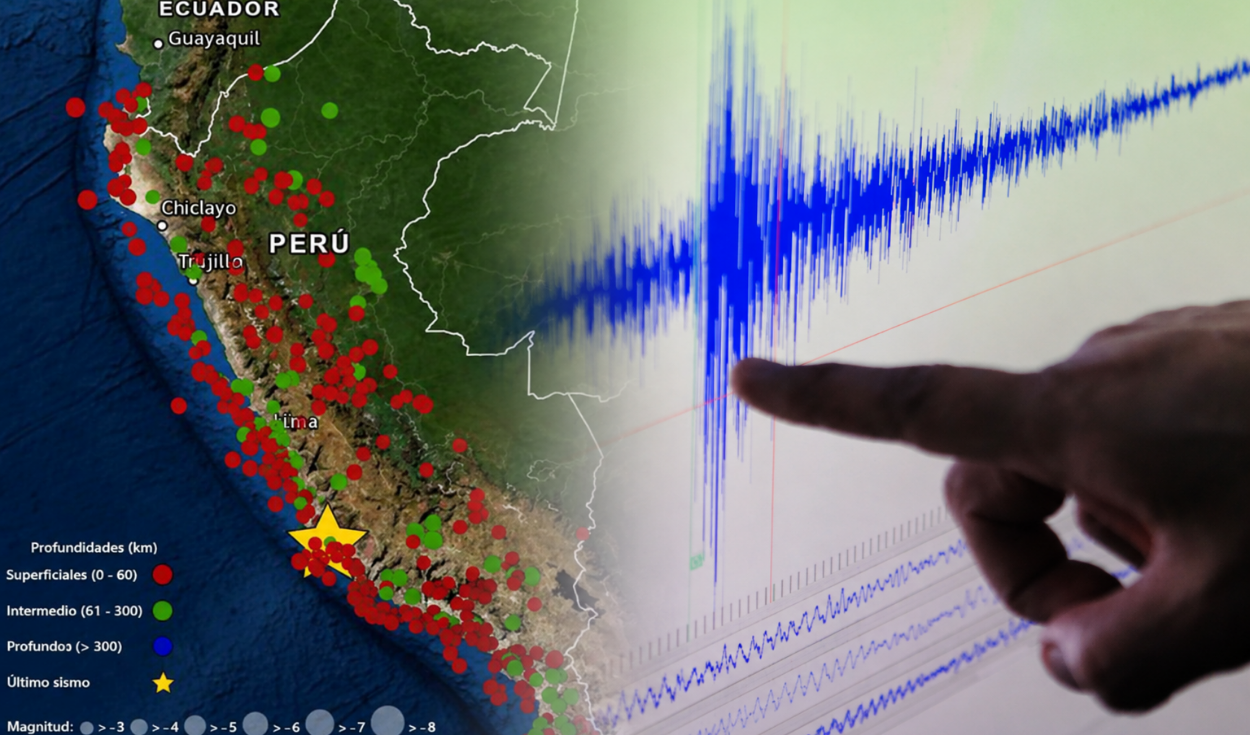
Peru Exceeds 600 Earthquakes in 2026, IGP Reports
The Geophysical Institute of Peru (IGP) has reported that the country has recorded over 600 earthquakes so far in 2026. This milestone was reached following two seismic events in Arequipa and Lima. Th…
UK agency reports more ships crossing Strait of Hormuz than data suggests
The United Kingdom Maritime Trade Operations (UKMTO) center is tracking a higher volume of vessel traffic through the Strait of Hormuz than typically reported by conventional data providers. In the pa…
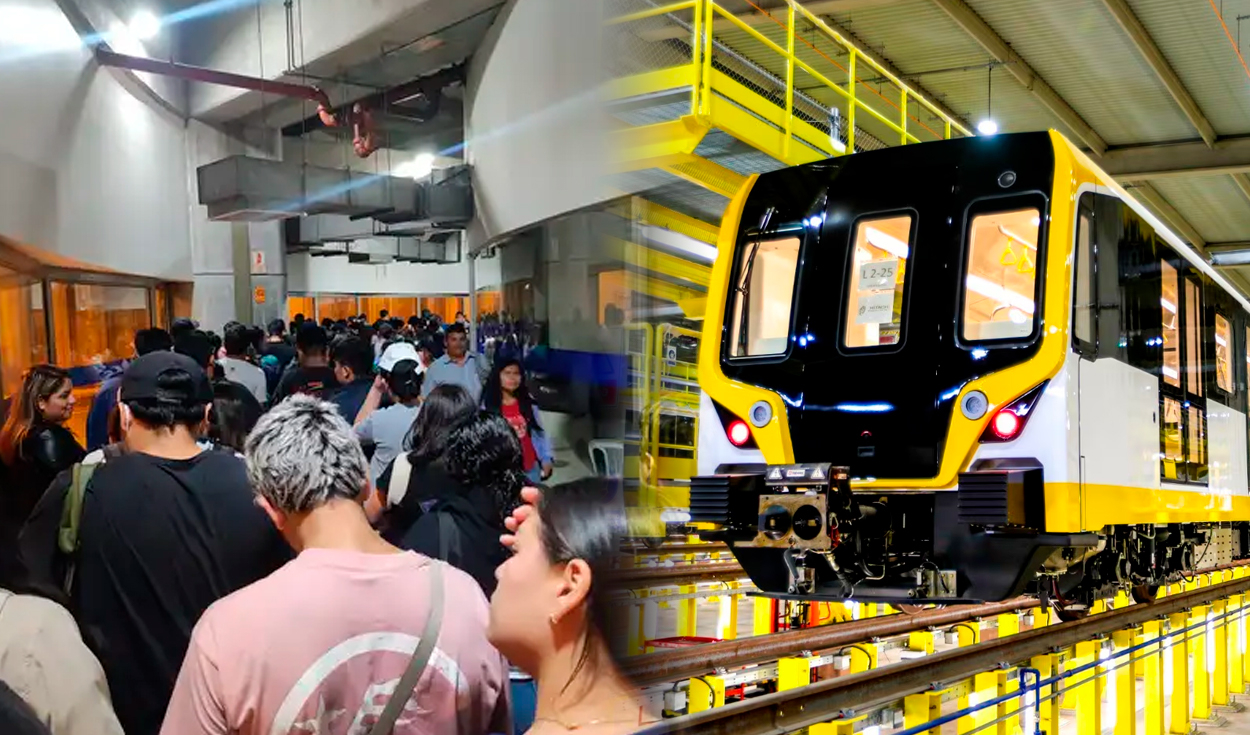
Cinestar closes iconic Breña cinema after 20 years, announces final screening
Cinestar has announced the closure of its iconic Breña cinema, a venue that has served moviegoers for two decades. The final screening at this location is set for Friday, August 28, marking the end of…

Peru Experiences Swarm of Earthquakes: 12 Tremors Recorded in 48 Hours
Peru experienced a notable increase in seismic activity over a 48-hour period, with the National Seismological Center (CENSIS) of the Geophysical Institute of Peru (IGP) recording a total of 12 earthq…
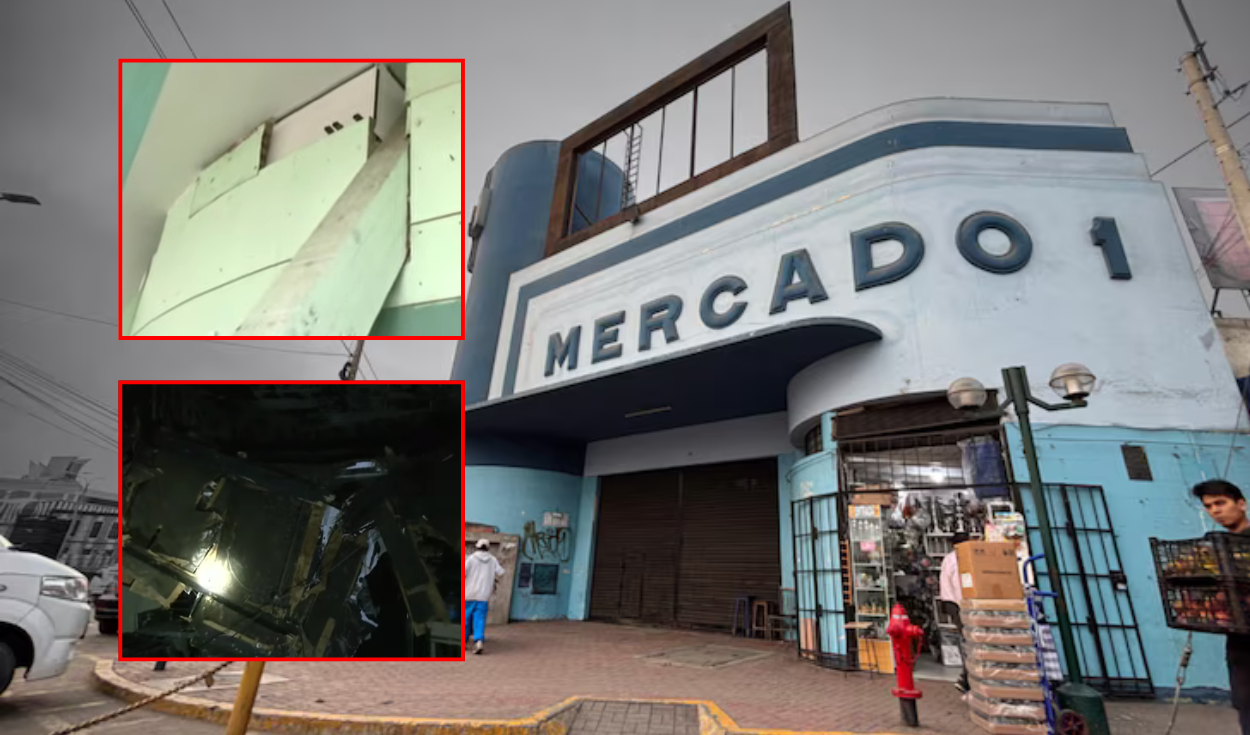
Peruvian court orders Surquillo Market reopening despite structural risks
A Peruvian court has mandated the reopening of Surquillo Market No. 1 within three days, overriding safety concerns raised by the Surquillo District Municipality. The order stems from a precautionary …
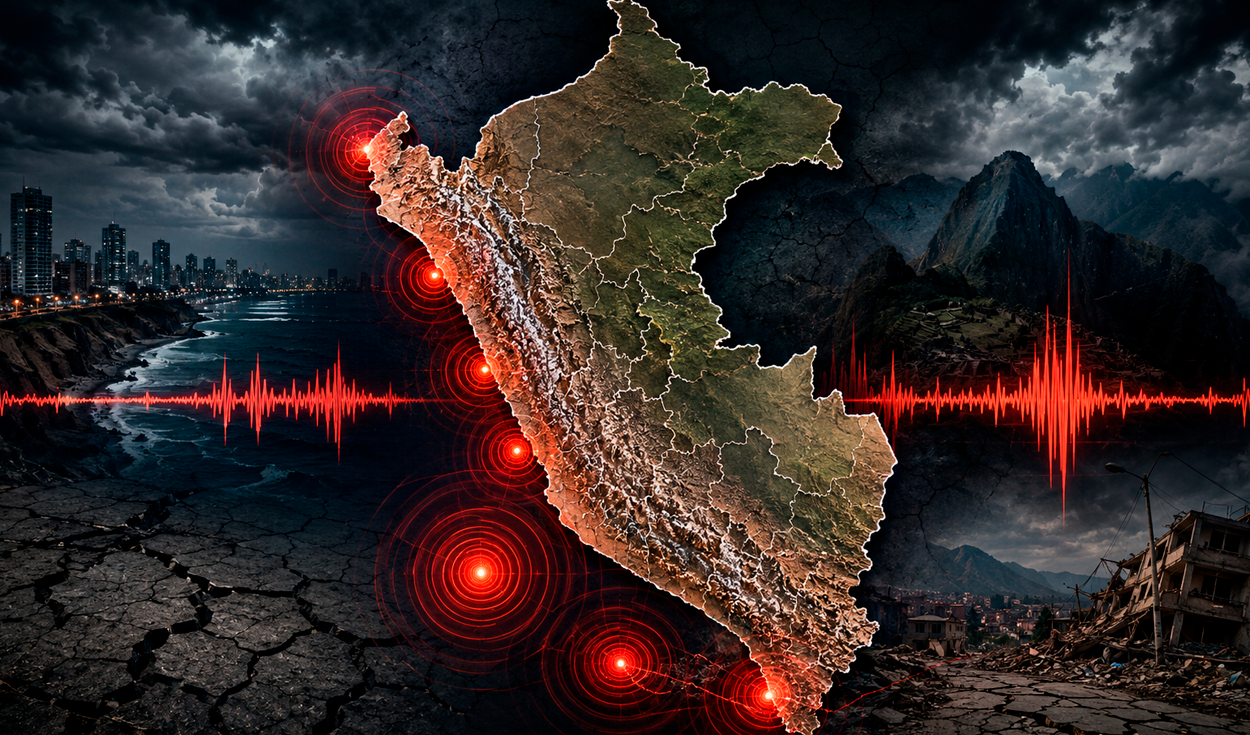
Peru's Coastline Has High Risk of Major Earthquakes, Geophysics Institute Warns
Peru's Geophysical Institute (IGP) has identified critical seismic risk zones along its coastline, warning of the potential for major earthquakes. Due to its location on the Pacific Ring of Fire, Peru…

Peru's 2026 holiday calendar: Five more days off after Santa Rosa de Lima
Peruvians will have five more national holidays to look forward to in 2026 following the observance of Santa Rosa de Lima on Sunday, August 30. These upcoming days off are strategically placed through…

Puente Piedra Demolishes Occupied Homes to Widen Pan-American Highway
The Municipality of Puente Piedra carried out an operation on August 27th to reclaim spaces that had been occupied for years along the auxiliary lanes of the Pan-American North highway. The demolition…

Pope to Lead Rosary Prayer at Cusco's Sacsayhuamán Citadel
The ancient Inca citadel of Sacsayhuamán in Cusco, Peru, will host Pope León XIV for a significant spiritual event during his upcoming visit in November. Confirming earlier reports, Peru's Ministry of…

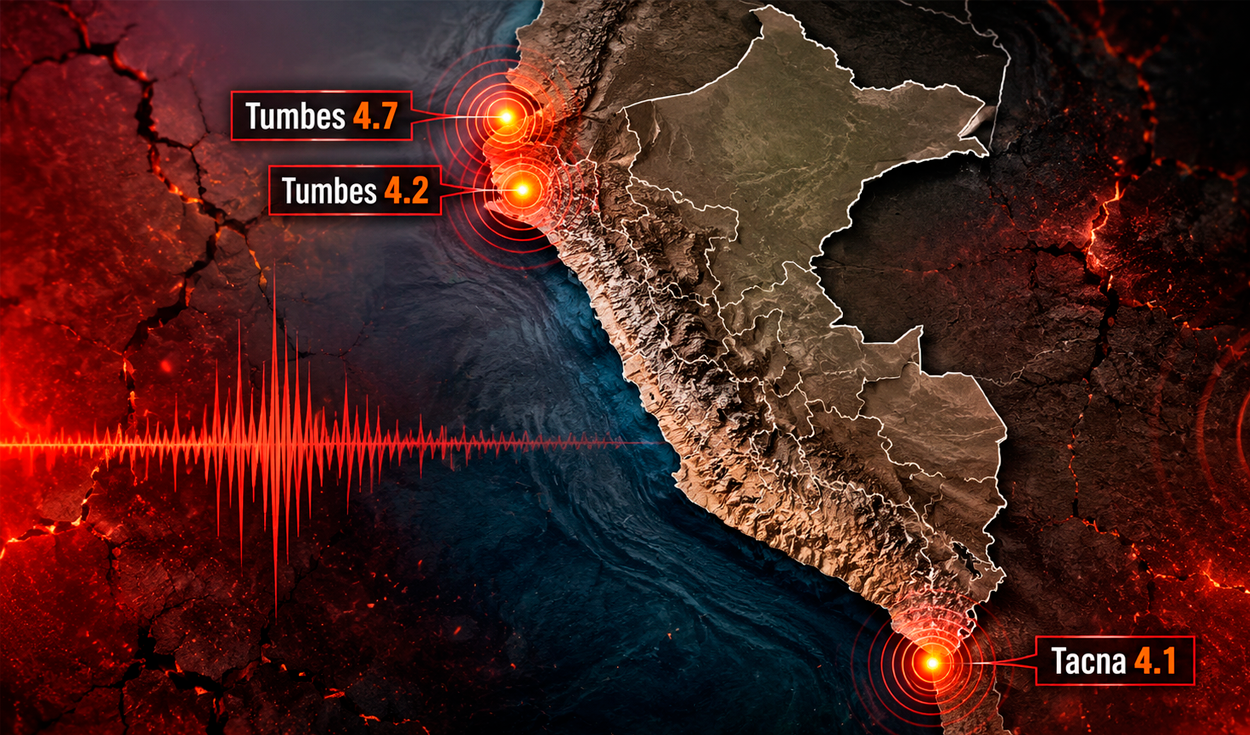
Three earthquakes over magnitude 4 shake Peru in less than an hour
Peru experienced a flurry of seismic activity on Thursday, with three earthquakes measuring over magnitude 4 occurring in less than an hour. The Peruvian Geophysical Institute (IGP) reported the tremo…
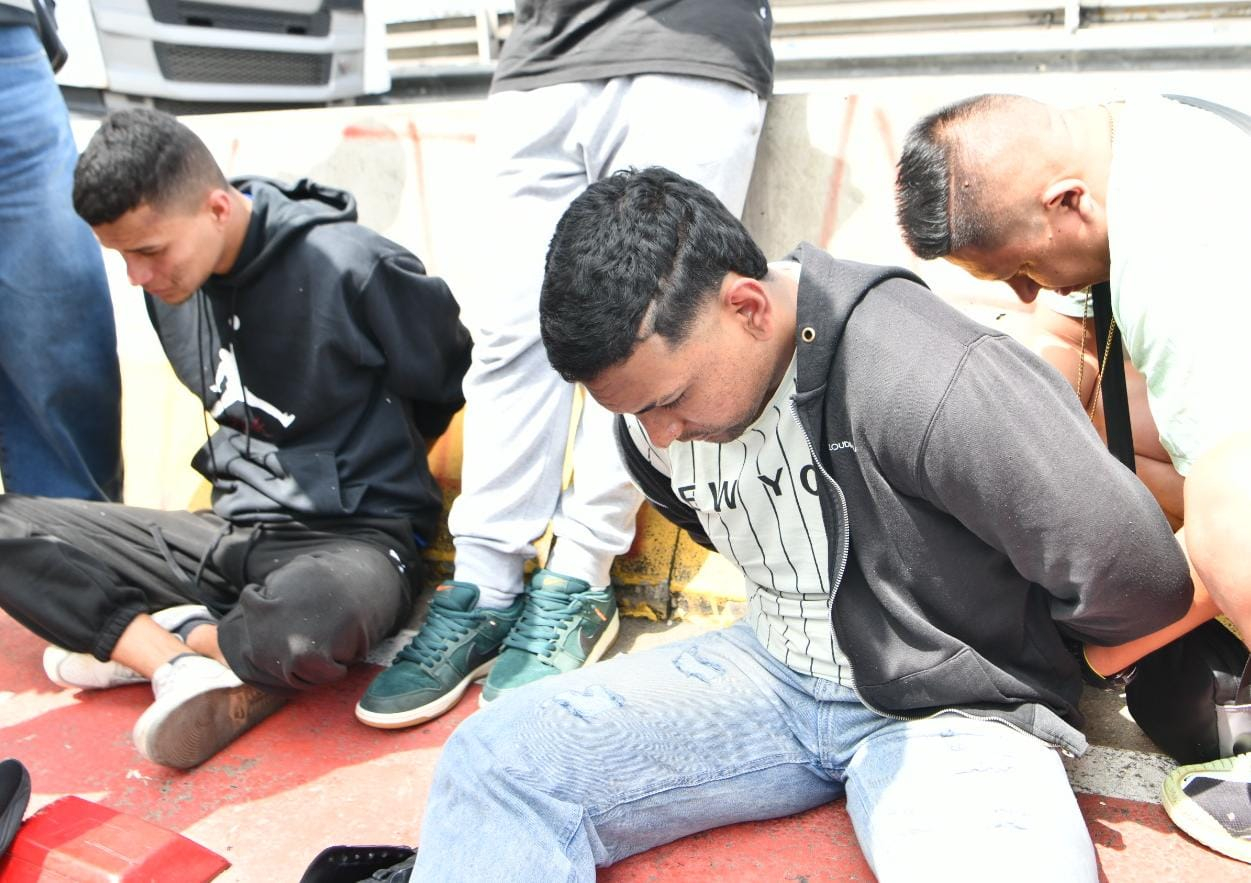
Kidnapper Kills Himself as Police Close In; Accomplices Caught
A swift police operation in Lima thwarted a kidnapping and led to the capture of two alleged gang members, while a third suspect died by suicide to avoid arrest. The incident unfolded in Ate, where th…
Four Peruvian Scientists Recognized Among World's Top 100 Women Leaders in Polar Research
Four Peruvian women are making significant contributions to international polar science, earning recognition among the world's top 100 leaders in the field. The #100PolarWomen initiative by Women in P…

Pope Leo XIV Considers Adding Santa Cruz, Peru, to Visit Agenda
Pope Leo XIV is evaluating the inclusion of Santa Cruz province in Cajamarca, Peru, into his itinerary during his visit to the country from November 11 to 16. Raúl Diez Canseco Terry, a senior advisor…

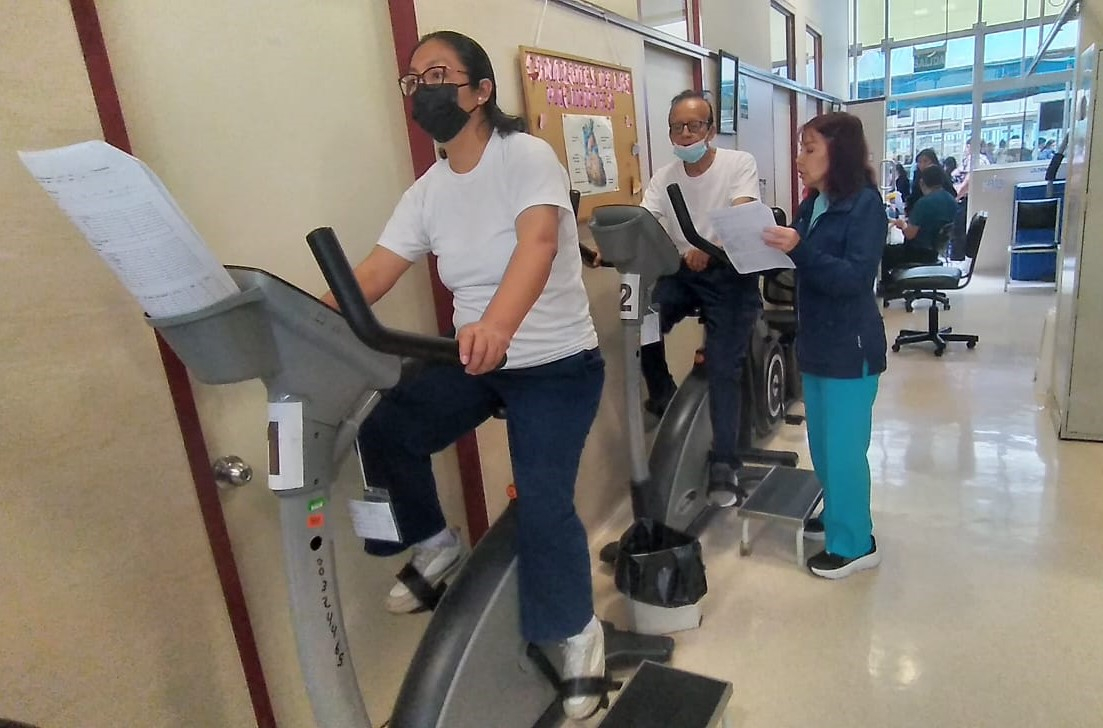
Cardiac rehabilitation: More than just physical training
Recovering from a heart attack or a cardiac diagnosis can be a life-altering and frightening experience. Recognizing this, the Guillermo Almenara hospital has established a comprehensive Cardiac Rehab…
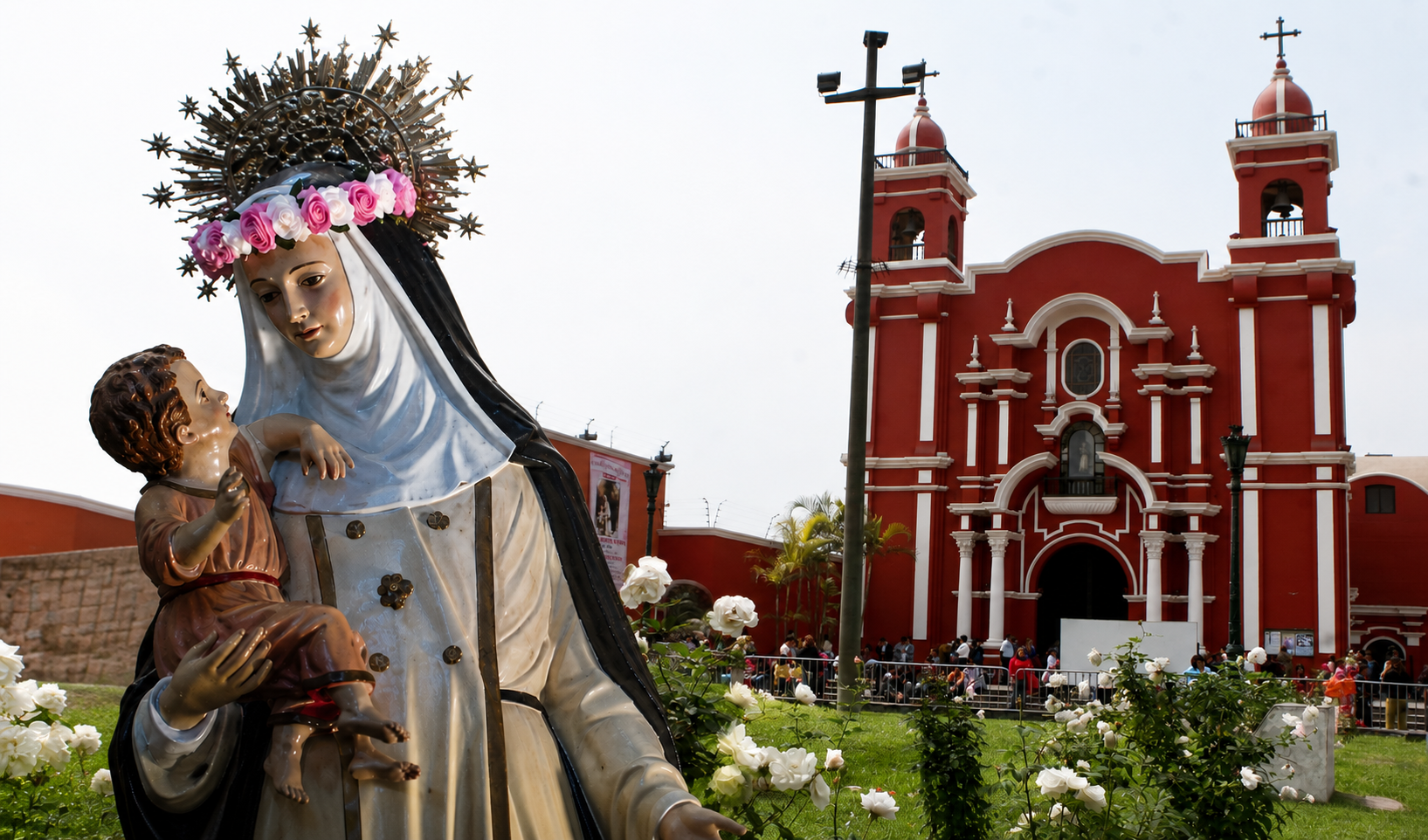
Nearly 500-year-old church and hospital ruins discovered beneath Lima shrine
A significant archaeological find has emerged from beneath the Sanctuary of Santa Rosa de Lima in Peru's historic center, revealing the remnants of the ancient Church and Hospital of the Holy Spirit. …
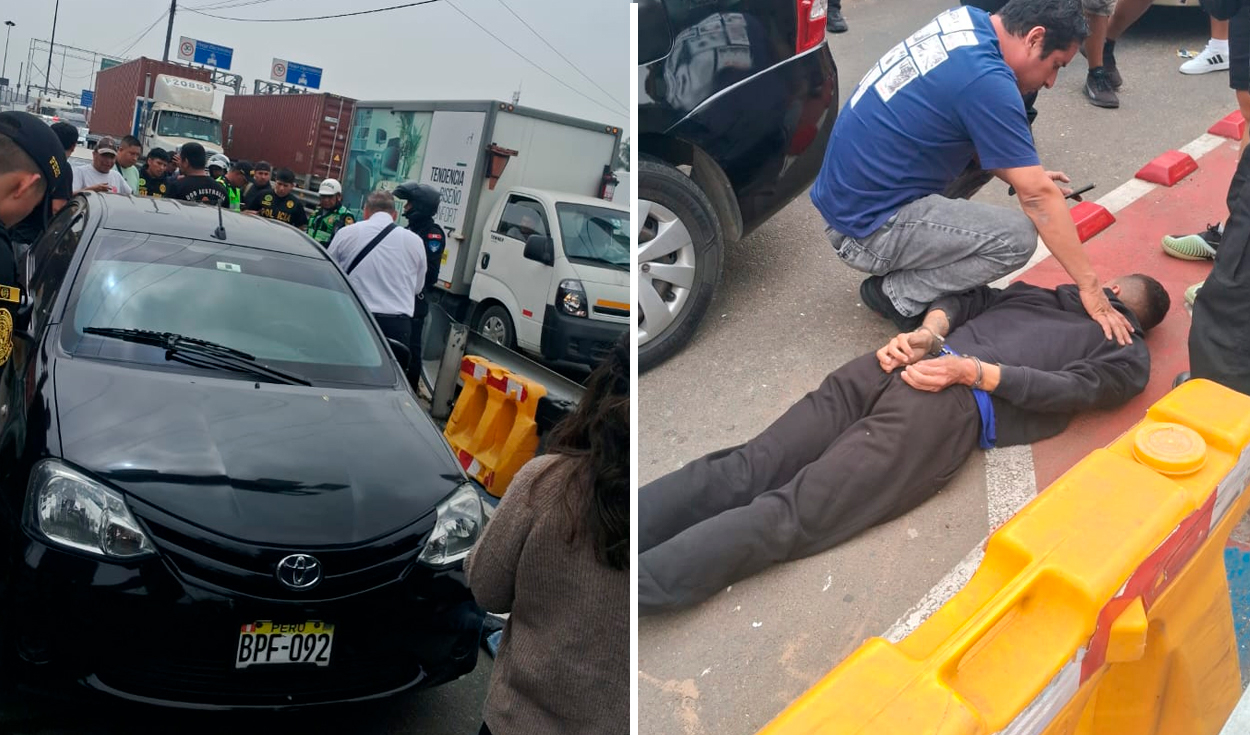
Police kill alleged kidnapper, rescue victim in highway toll operation
A swift police operation at the Monterrico toll booth in Santa Anita, Peru, led to the rescue of a kidnapping victim and the arrest of two alleged members of a criminal organization. The intervention,…
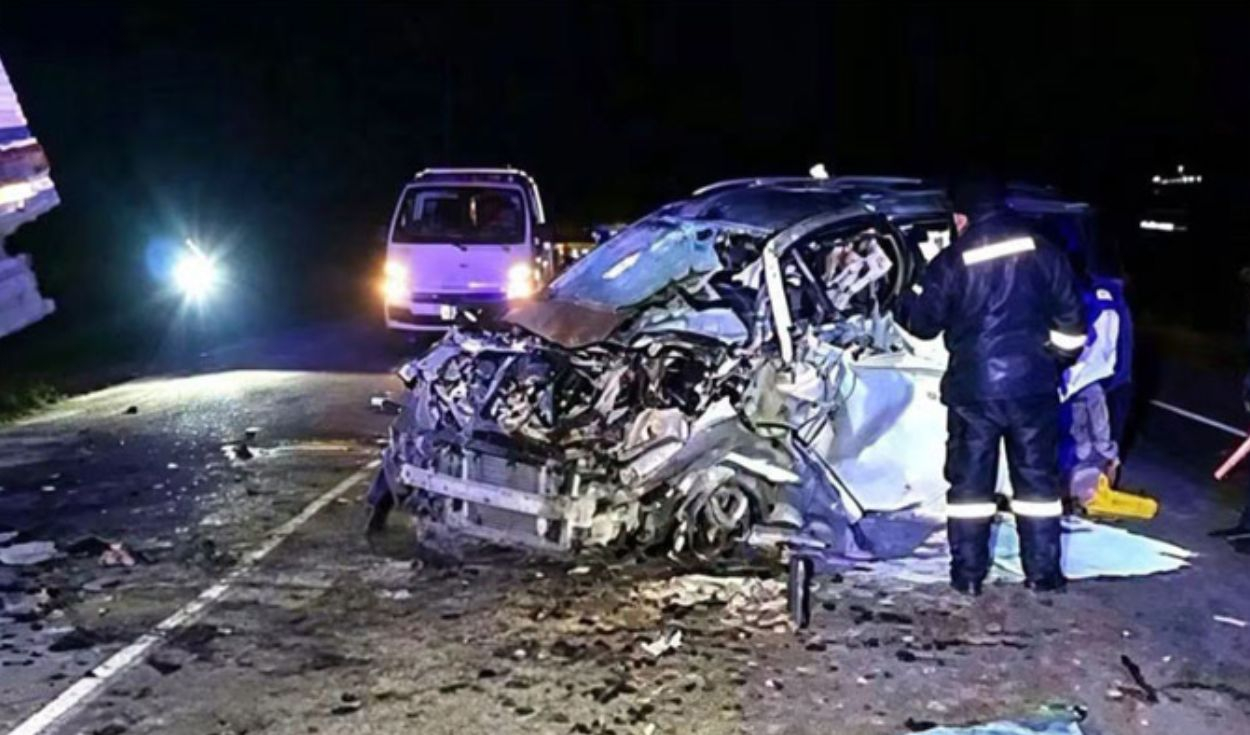
Four dead, one critically injured in Puno highway crash
A head-on collision on the Juliaca-Calapuja highway in Peru's Puno region has claimed four lives and left one person critically injured. The accident occurred at night, involving an SUV and a truck. T…
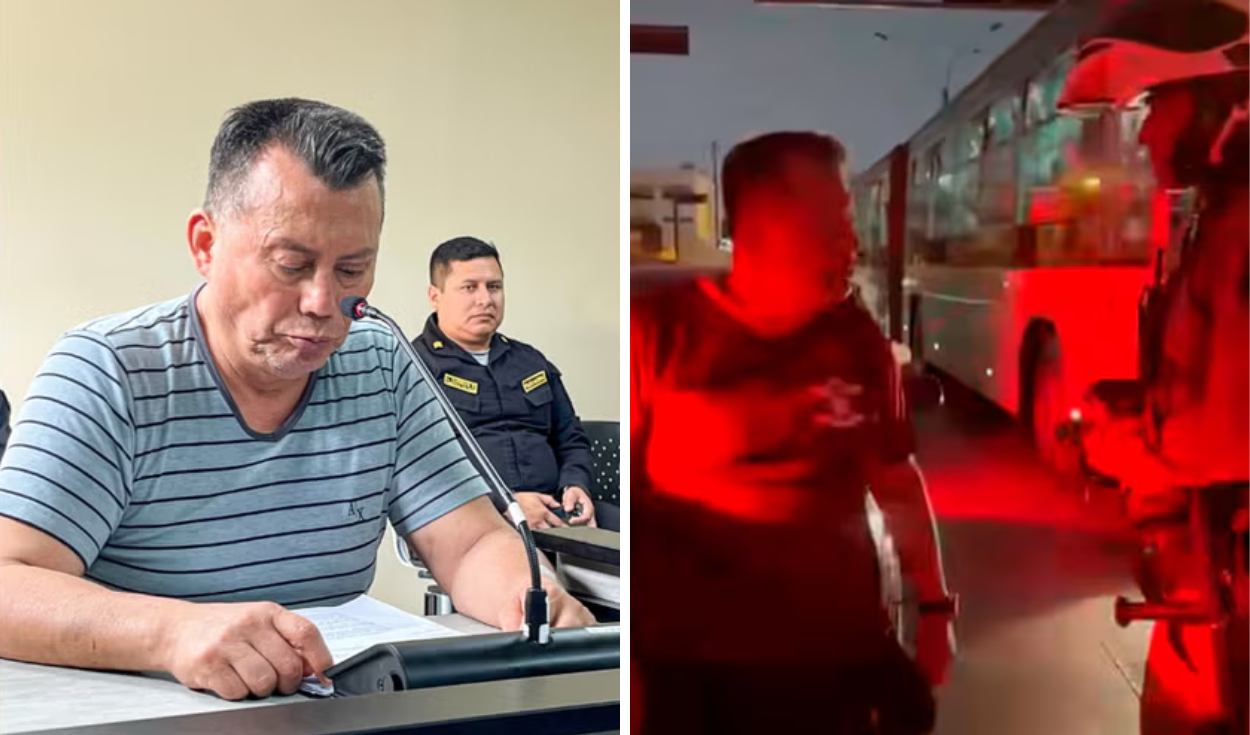
Peruvian Police Commander Sentenced to 8 Years for Invading Bus Lane
A high-ranking officer within Peru's National Police has been handed an eight-year prison sentence for resisting an official intervention. Police Commander Manuel Antonio Canales Moscoso, 57, was conv…
Colombian president confirms capture of 'Nairobi', key Tren de Aragua leader in Peru
Colombian President Abelardo de la Espriella confirmed the arrest of Luis Saúl Pérez Nieto, also known as 'Páez' or 'Nairobi', in Bogotá's Fontibón district. Pérez Nieto is identified as a key figure …

US visa appointment suspension won't affect Peruvian students, says former foreign minister
The United States has temporarily suspended appointments for immigrant visas at its embassies and consulates worldwide, a move that has prompted questions about its broader implications. However, form…

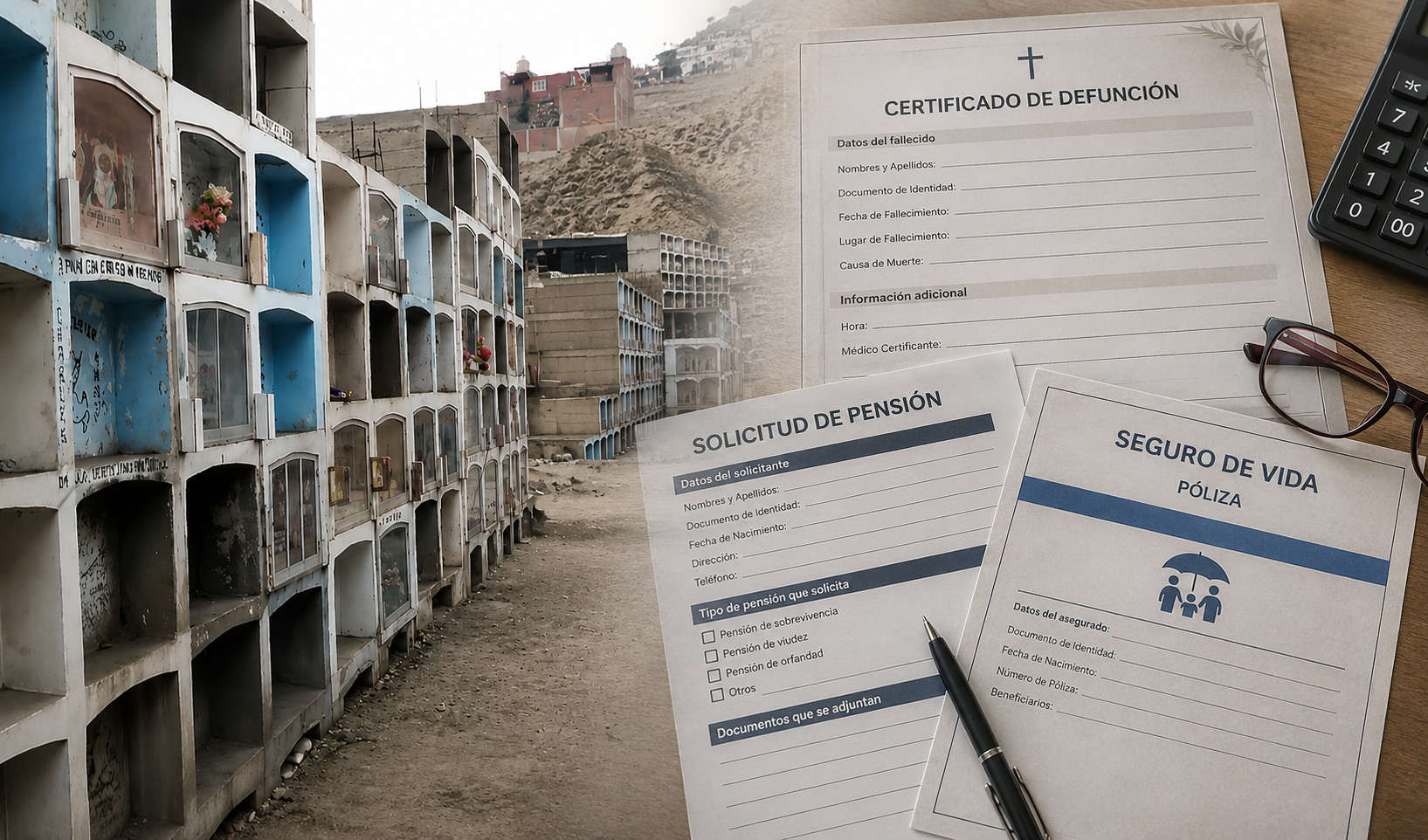
Peruvian Authorities Investigate Network Using Deceased Identities to Claim Millions in Insurance
Peruvian prosecutors are probing a sophisticated alleged criminal organization that appears to have exploited the identities of deceased individuals to fraudulently claim millions in insurance and pen…
Amazonian Rivers in Loreto to Remain Low Until Mid-September, Warns Senamhi
The Peruvian National Meteorology and Hydrology Service (Senamhi) has issued a warning regarding the ongoing decline of major Amazonian rivers in the Loreto region. The rivers are expected to continue…

La Tinka results for Wednesday, August 26, 2026: Winning numbers, jackpot, and more
La Tinka conducted its latest draw on Wednesday, August 26, 2026, featuring a substantial accumulated jackpot of S/25,507,198. The lottery also included its supplementary games, 'Sí o Sí' and 'Boliyap…

Peruvian Comptroller warns of S/. 49.9 million loss as 52 million syringes near expiry
Peru's Comptroller General's Office has issued a stark warning regarding a potential loss of nearly S/. 50 million due to over 52 million syringes nearing their expiration date. These disposable syrin…

Peru's Anemia Fight Needs More Than Iron Supplements, Nutritionists Warn
Peru's battle against anemia demands a comprehensive approach that extends beyond simply distributing iron supplements, warned Rosa Elena Cruz, dean of the College of Nutritionists of Peru (CNP). Cruz…

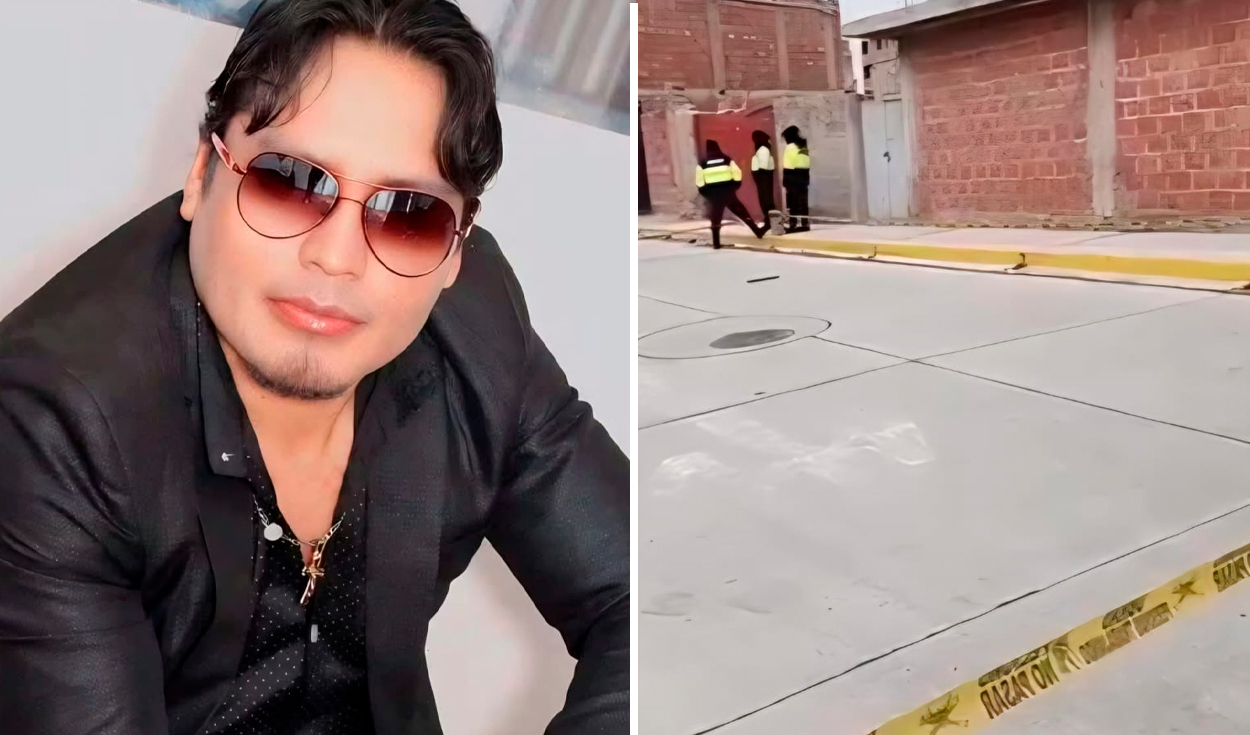
Singer Found Dead After Attending Wedding in Cusco; Police Arrest Suspect
Authorities in Cusco, Peru, are investigating the death of 38-year-old singer Luis Miguel Achiri Magano, whose body was discovered on August 24 in the Espinar province. The discovery was made on a spo…
Lima mayor asks Keiko Fujimori to authorize firearms for security personnel
Lima Mayor Renzo Reggiardo has formally requested President Keiko Fujimori to intervene and expedite the authorization for municipal security personnel to carry firearms. The request is directed at th…

Red alert in Peru: Over 9 million at very high risk from El Niño floods and droughts
More than 9 million Peruvians are facing a very high risk of severe weather events linked to the El Niño phenomenon, including floods, landslides, and droughts. The National Center for the Estimation,…
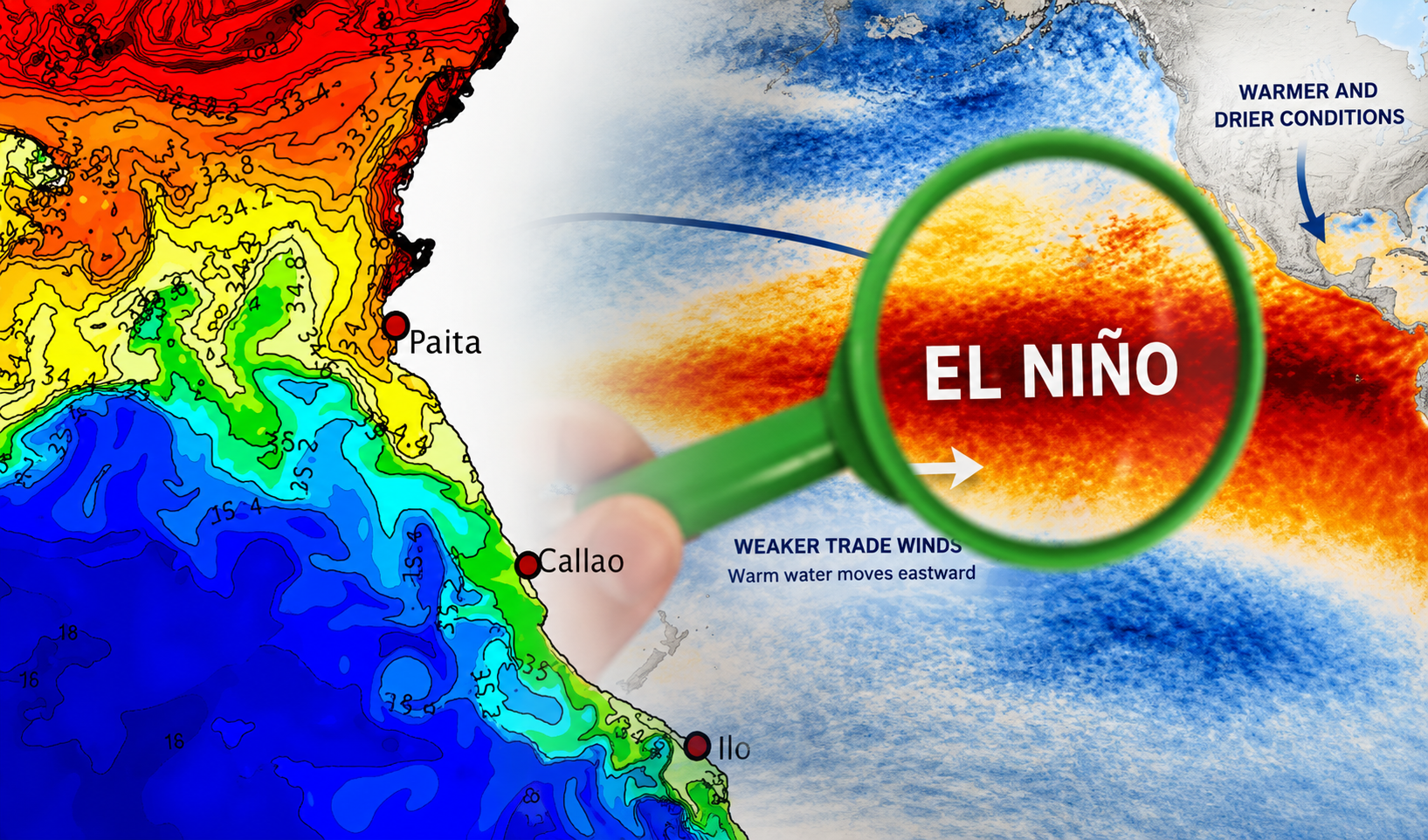
US to Revoke Tourist Visas for Peruvians Who Seek Asylum
The Trump administration is preparing to implement a significant immigration restriction that could affect up to 200,000 individuals, including Peruvians, by revoking tourist and business visas. This …

Peru Considers National and Regional Holidays for Pope Leo XIV's Visit
Peru's government is actively evaluating the possibility of establishing regional and potentially national holidays to coincide with the upcoming visit of Pope Leo XIV, scheduled from November 11 to 1…

Reniec to Distribute Free IDs in 5 Lima Districts Affected by Floods
The National Registry of Identification and Civil Status (Reniec) is launching a series of free documentation campaigns in five districts of Lima Metropolitana that have been severely affected by rece…
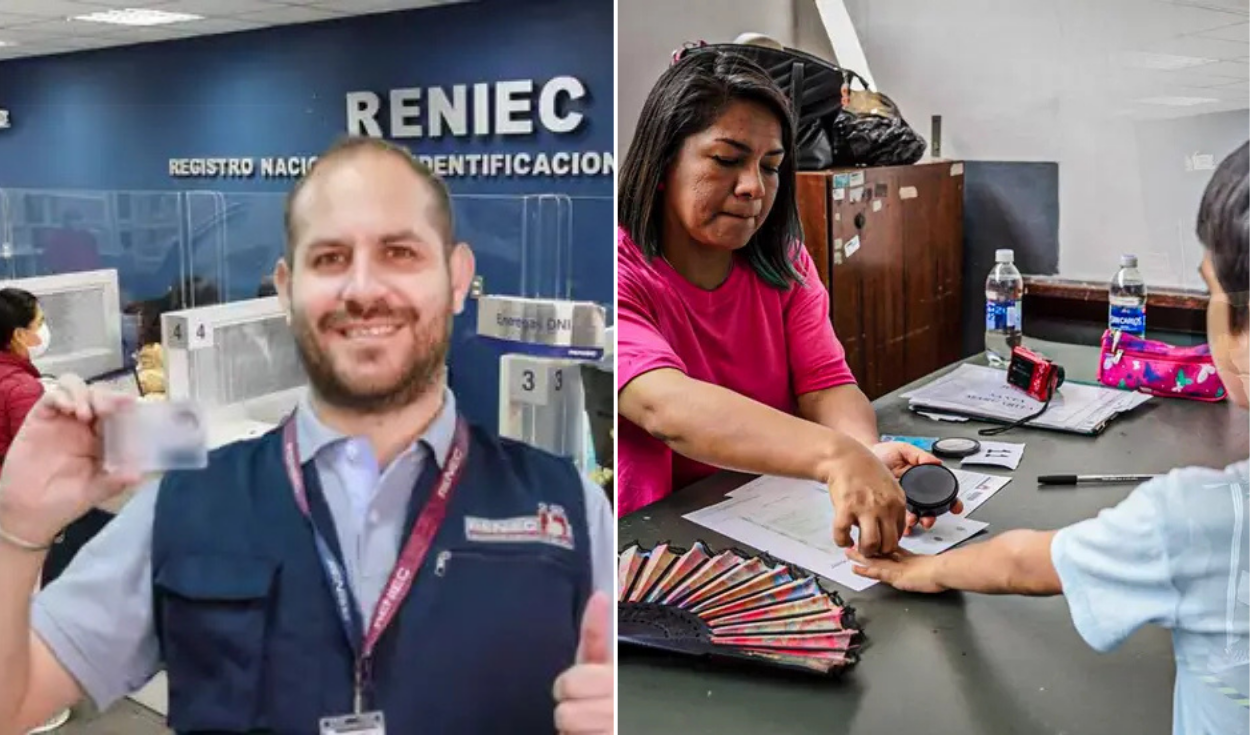
Google earthquake alerts now available on Android phones in Peru
Android phone users in Peru can now activate Google's earthquake alert system at no cost. This feature uses the phone's built-in sensors and approximate location to notify individuals within a potenti…
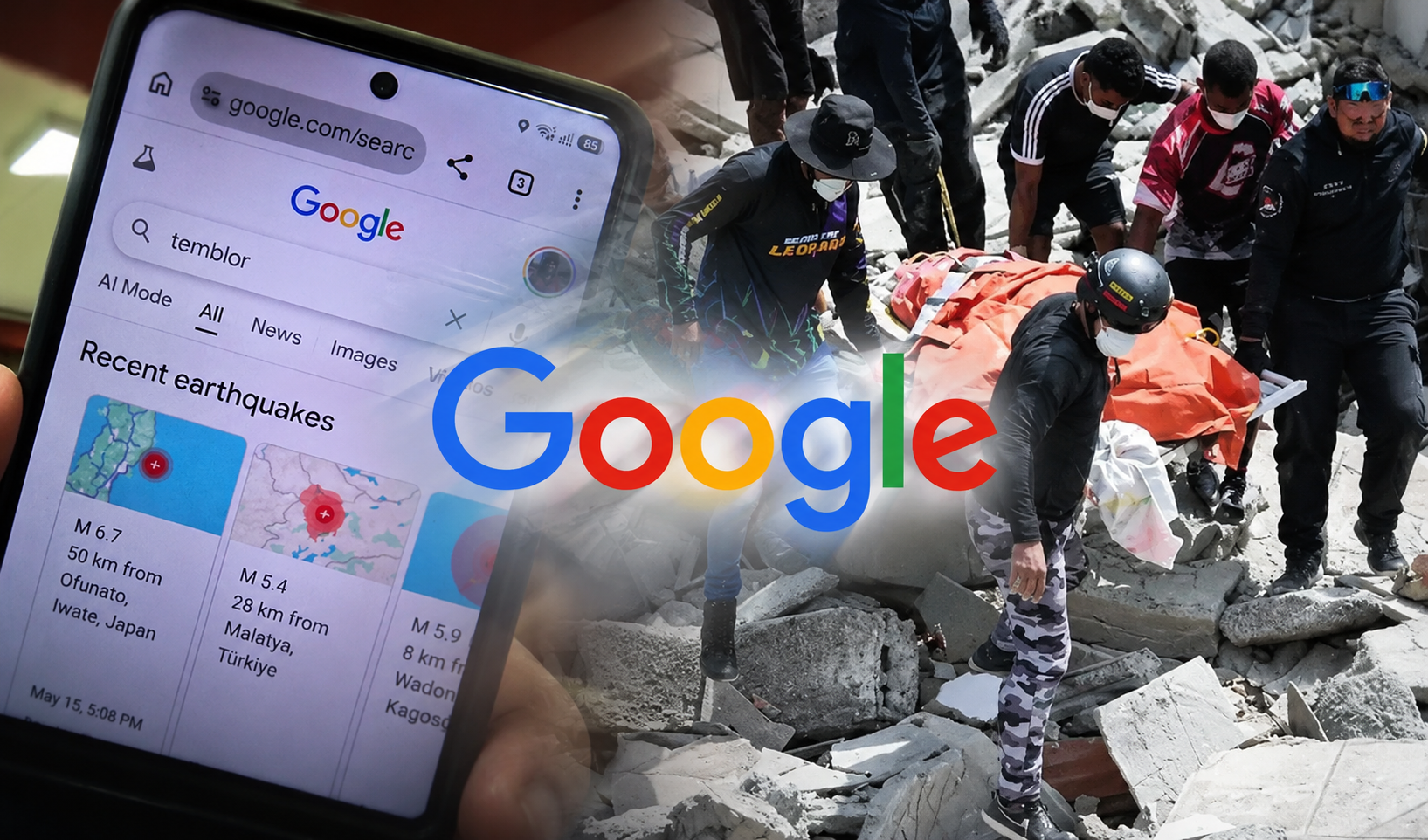
Police Officer Shot During Operation in Pachacútec, Ventanilla
A National Police officer was shot on Wednesday morning during an operational task in Pachacútec, Ventanilla, a district in the Callao region. The agent, Suboficial Superior Paulo Tavara Colchado, 56,…
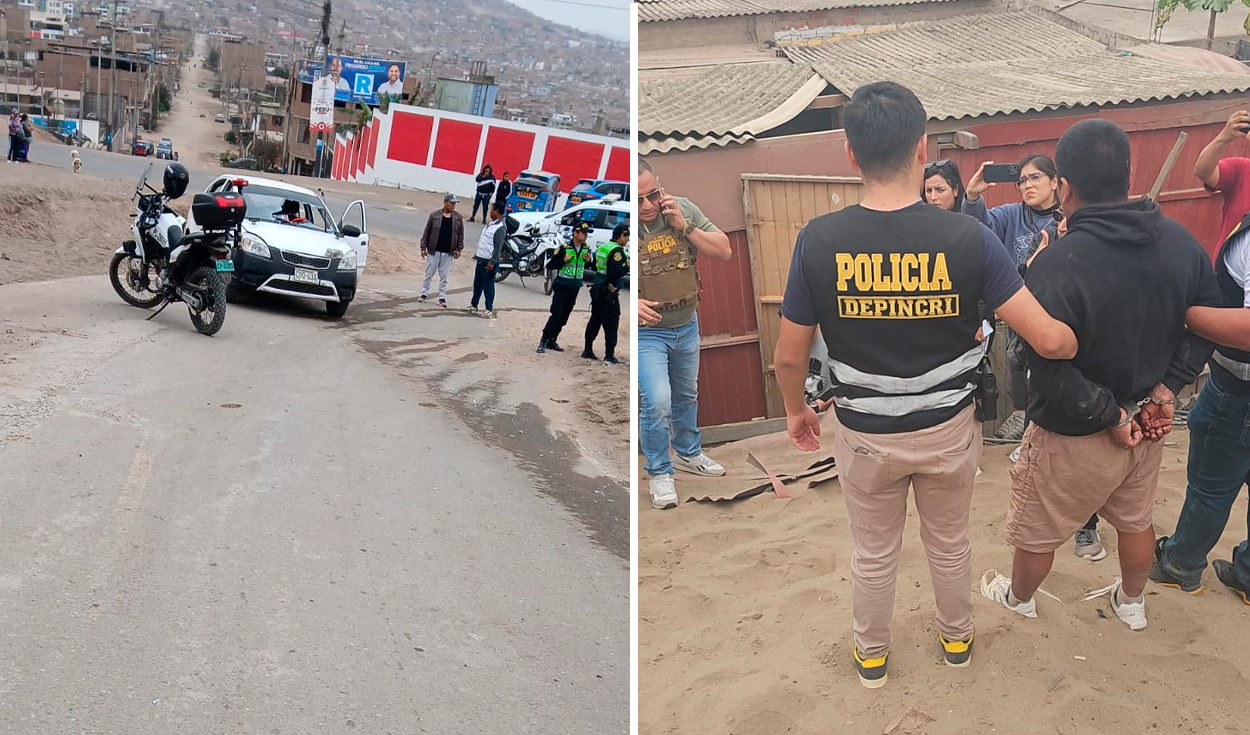
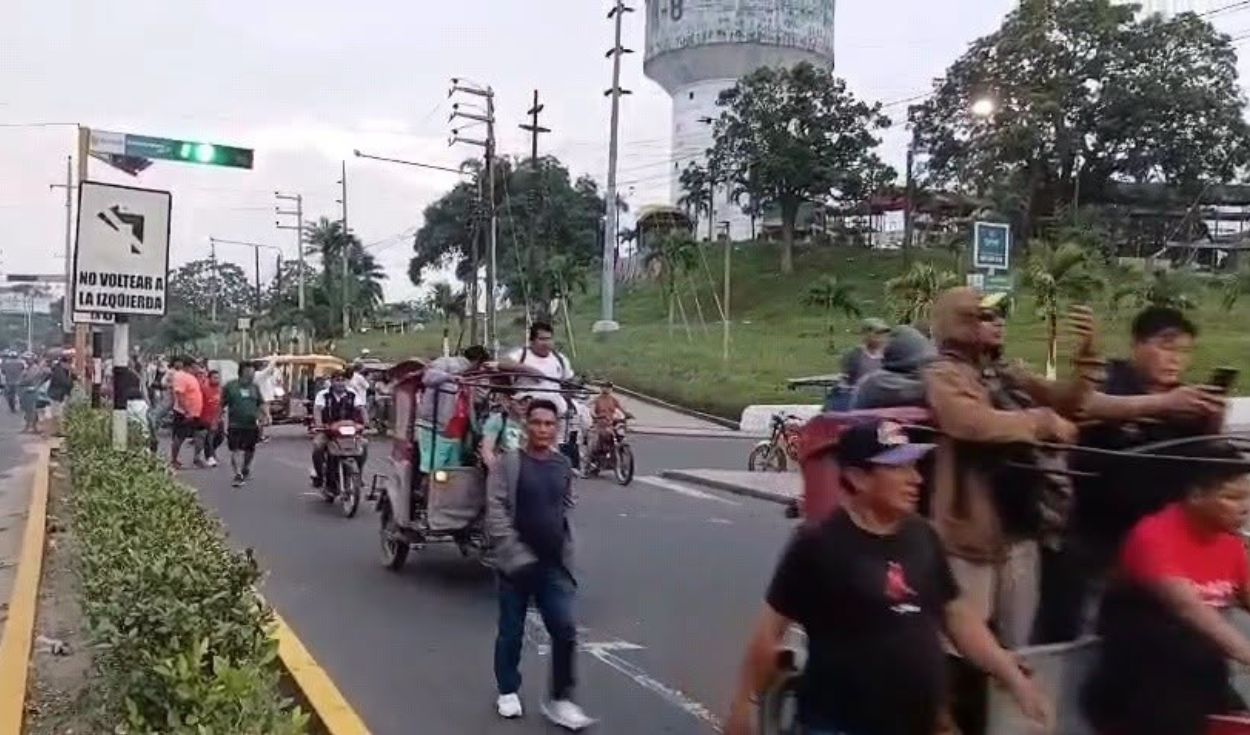
Loreto Strike Continues: Protesters Threaten Escalation if Government Fails to Respond
A 48-hour regional strike in Loreto, Peru, entered its second day with protesters warning of intensified actions if the central government fails to address their core demands. The ongoing protest has …
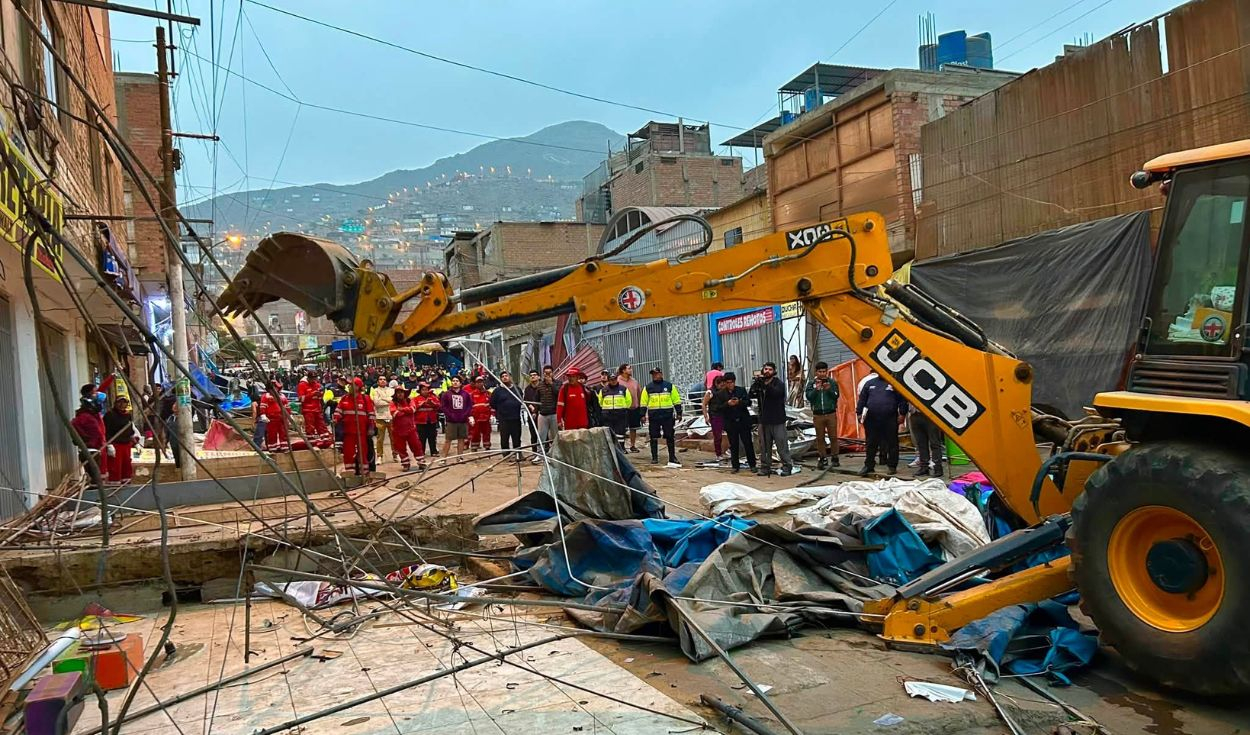
Police evict informal constructions occupying avenue for over 40 years in Carabayllo
In a large-scale operation early Wednesday morning, Peruvian police and the Carabayllo municipality reclaimed over 14 blocks of Avenida Túpac Amaru in the El Progreso neighborhood. The operation, dubb…
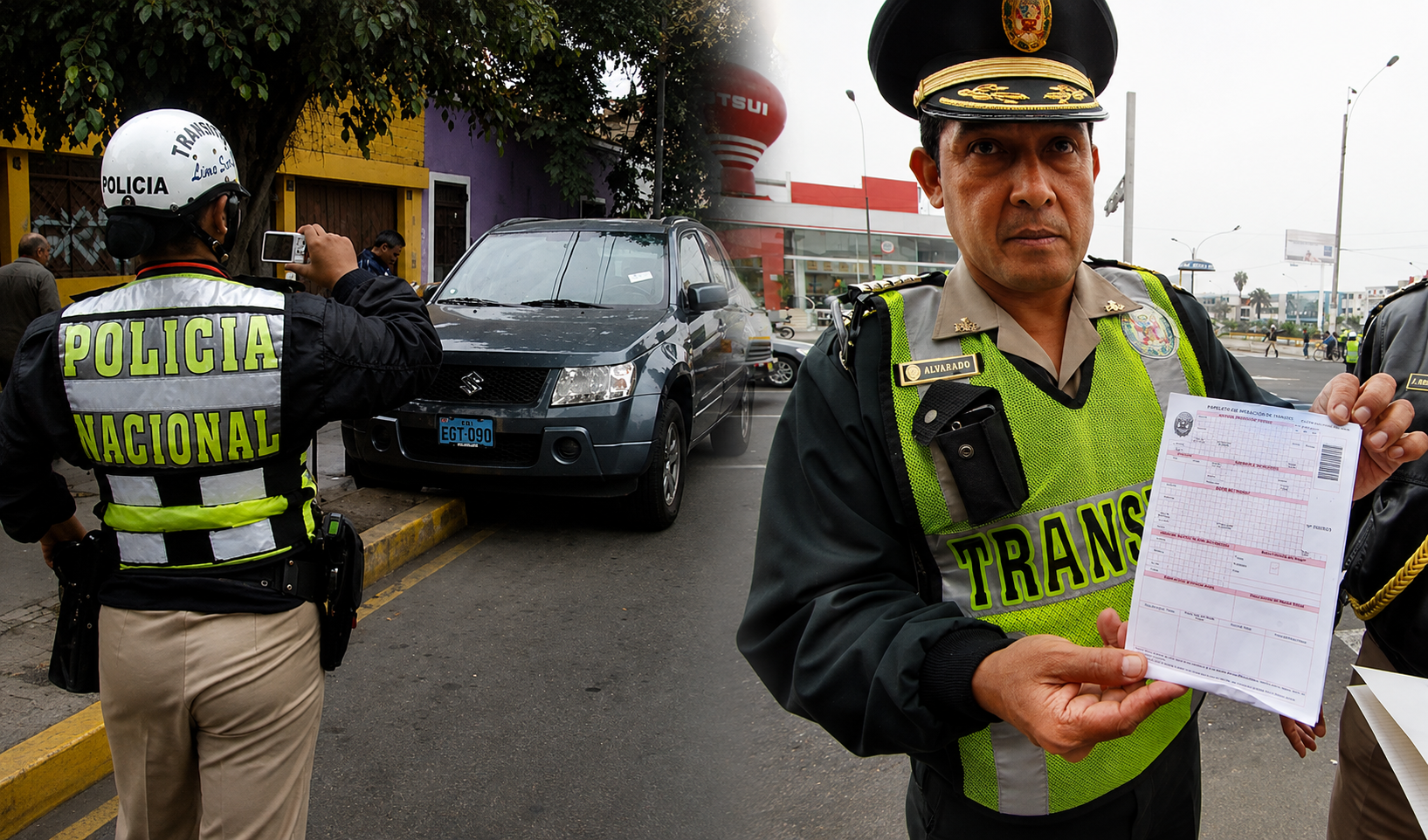
Peru Drivers Can Check Traffic Fines Online for Free
Drivers in Peru now have a streamlined way to manage their traffic violations. Official platforms from the Servicio de Administración Tributaria (SAT) of Lima, the Ministry of Transport and Communicat…
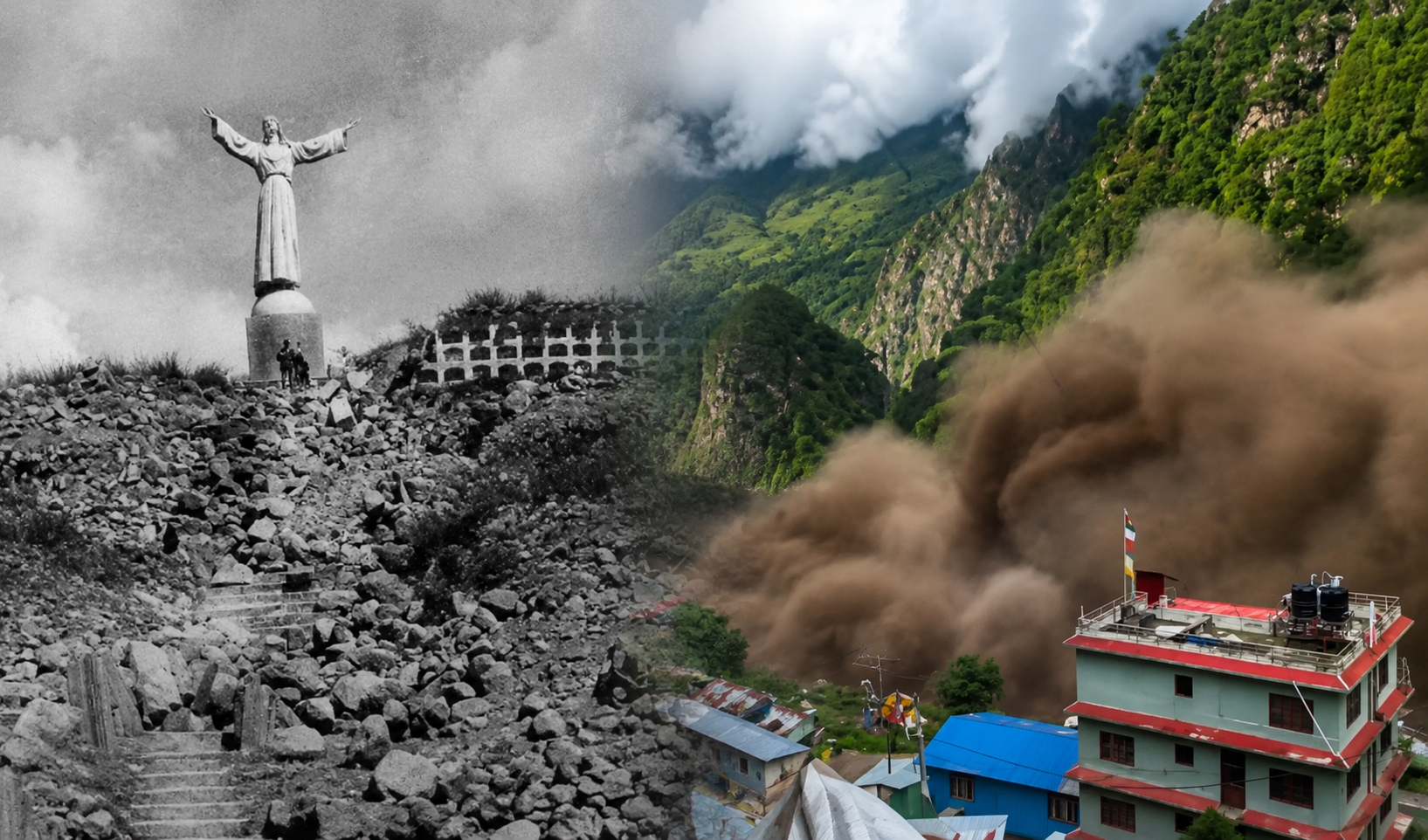
Nepal tragedy revives memories of Peru's devastating Yungay landslide
The recent glacial disaster in Nepal has drawn parallels to one of Peru's most catastrophic events: the 1970 destruction of Yungay. Social media and discussions about glacial disasters have brought re…