


![10 Minutes After Meals is Better Than 30 Minutes of Walking: The Best Way to Lower Blood Sugar [Aging Design]](https://dimg.donga.com/wps/NEWS/IMAGE/2026/08/25/134540178.3.jpg)
10 Minutes After Meals is Better Than 30 Minutes of Walking: The Best Way to Lower Blood Sugar [Aging Design]
Translated from Korean, summarized and contextualized by DistantNews.
At a glance
News
Named sources
Context piece
- Walking for 10-15 minutes after meals, rather than a single 30-minute session, can help lower post-meal blood sugar spikes.
- This approach is beneficial because muscle activity uses glucose for energy, reducing the amount circulating in the blood after eating.
- The article advises starting with shorter walks if new to exercise and maintaining a moderate pace where conversation is still possible, also cautioning against intense exercise immediately after meals, especially for those on diabetes medication.
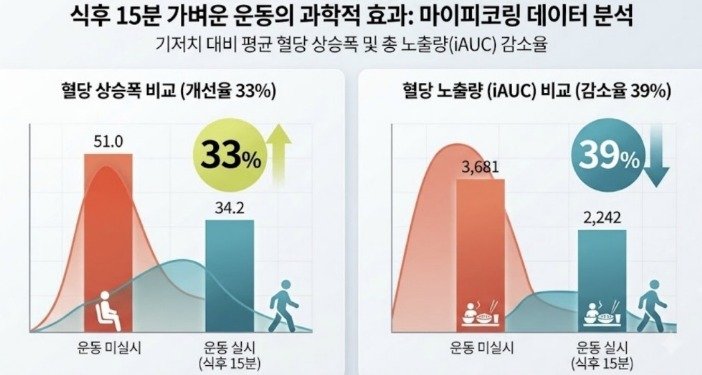
A simple yet effective strategy for managing blood sugar levels involves incorporating short, post-meal walks. Instead of aiming for a single 30-minute exercise session, breaking this down into 10-15 minute walks after each meal can significantly aid in lowering the blood glucose spikes that naturally occur after eating.
This method works by engaging the body's muscles. When muscles are active, they utilize glucose from the bloodstream for energy. This process helps to reduce the amount of sugar circulating after a meal, contributing to better overall blood sugar control. Experts suggest that this post-meal activity is even more effective at lowering acute blood sugar levels than exercising before a meal.
For individuals new to exercise or those finding it difficult to allocate a long block of time, this fragmented approach is particularly practical. Starting with just 5 minutes and gradually increasing the duration as the body adapts is recommended. The ideal pace is one where you feel slightly breathless but can still hold a conversation, ensuring the activity is moderate and beneficial without being overly strenuous.
It is crucial, however, to avoid intense physical exertion immediately after eating. High-impact activities like sprinting or heavy weightlifting are not advised when aiming to manage blood sugar. For individuals managing diabetes, especially those on insulin or medication that stimulates insulin secretion, it's important to be aware of the risk of hypoglycemia (low blood sugar) during exercise and to monitor levels accordingly. Consulting a healthcare provider is advisable for those with pre-existing conditions like heart disease or severe arthritis regarding the appropriate timing and intensity of exercise.
DistantNews Editorial
Originally published by Dong-A Ilbo in Korean. Translated, summarized, and contextualized by our editorial team with added local perspective. Read our editorial standards.
More Stories


From Our Blog

What Gets Lost (and Found) When News Is Translated

The Critical Role of Diaspora Media in Global News

What Travellers Should Know About Countries with Restricted Press

A Digital Nomad's Guide to Following Local News

How the Same Story Looks Different in Different Countries
