


100 days into Iran war: How rising costs are hitting consumers and businesses in Southeast Asia
Summarized and contextualized by DistantNews.
At a glance
News
Named sources
Context piece
- The war in Iran has disrupted energy and shipping routes, increasing costs for consumers and businesses across Southeast Asia.
- Businesses face price volatility for petroleum-based materials, impacting industries from construction to food packaging.
- Experts predict these disruptions will cause long-term structural shocks to regional supply chains and production costs.
More than three months after the war in Iran began, its economic aftershocks are significantly impacting Southeast Asia. Disrupted energy and shipping routes, particularly through the vital Strait of Hormuz, have driven up costs for a wide range of goods and materials far beyond the oil market.
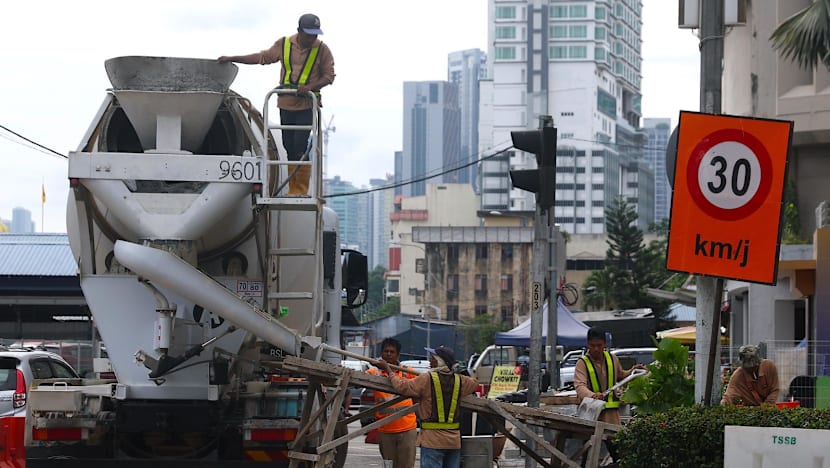
In Malaysia, road construction faces profound effects. Sukumar Subrayalu, managing director of Sugu Construction, reported a 70% surge in bitumen prices and an over 80% increase in diesel costs. This price volatility, rather than outright supply shortages, presents a major challenge for contractors. They struggle with budgeting and cost forecasting as prices fluctuate rapidly, squeezing those locked into fixed-price contracts.
At this stage, the industry is facing more of a price volatility issue rather than a complete supply shortage.
Across the region, businesses reliant on petroleum-based materials are grappling with sharp price swings. Industries from plastic packaging and helium supplies to fertilizer and food production are forced to raise prices, absorb losses, or fundamentally rethink their operations. As the conflict marks its 100th day, its repercussions are felt in everyday life, with governments and consumers bracing for higher costs for everything from road construction to milk packaging.
Experts and industry players warn that these disruptions are likely to persist for at least another six months, even if tensions ease. They describe the situation as a long-term "structural shock" to regional supply chains and production costs. In Malaysia, a significant portion of road construction and maintenance projects have already experienced delays due to rising material and diesel costs, a trend expected to worsen if cost pressures continue.
While supply is still available, contractors are facing challenges in budgeting and cost forecasting because prices can change within a short period of time.
DistantNews Editorial
Originally published by CNA. Summarized and contextualized by our editorial team with added local perspective. Read our editorial standards.
More Stories

From Our Blog

What Gets Lost (and Found) When News Is Translated

The Critical Role of Diaspora Media in Global News

What Travellers Should Know About Countries with Restricted Press

A Digital Nomad's Guide to Following Local News

How the Same Story Looks Different in Different Countries
