

Airline chiefs grapple with fuel shock, fare test at Rio summit
Summarized and contextualized by DistantNews.
At a glance
News
Named sources
Context piece
- Global airline chiefs convene in Rio de Janeiro facing a critical test for the industry's post-pandemic recovery due to rising fuel costs and airspace disruptions from the Iran war.
- Delivery delays for new Boeing and Airbus aircraft force airlines to keep older, less fuel-efficient planes in service, increasing maintenance and fuel expenses amid climbing oil prices.
- While travel demand has remained strong, particularly from premium and corporate travelers, airlines face the challenge of passing increased fuel costs to consumers without weakening demand.
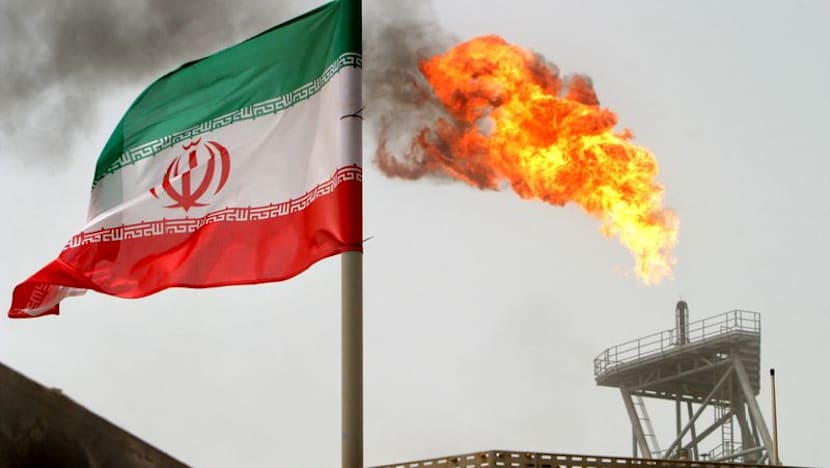
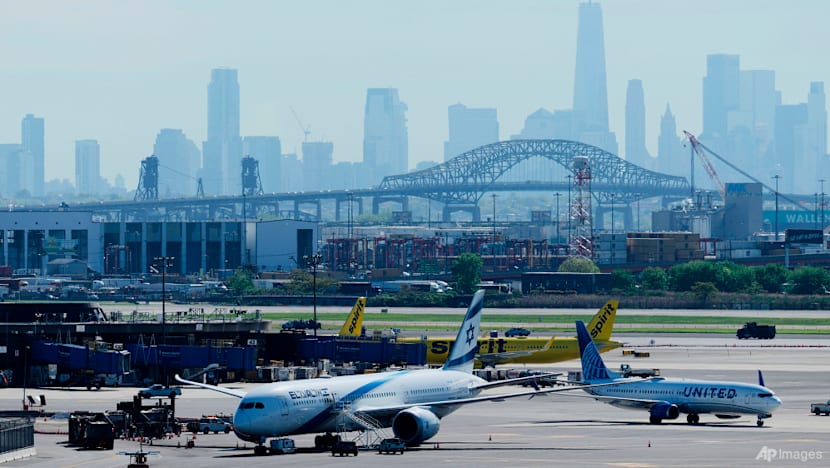
Global airline leaders are gathering in Rio de Janeiro for their annual summit, confronting a significant challenge to the industry's recovery. The ongoing conflict in Iran is driving up fuel costs and disrupting air routes, forcing carriers to consider higher fares and reduced capacity.
Together, they've turned what was supposed to be a record year into a fight for margin.
Adding to the pressure, airlines are experiencing delivery delays for new aircraft from manufacturers like Boeing and Airbus. This forces them to extend the service life of older, less fuel-efficient planes, which in turn raises maintenance and fuel expenses just as oil prices surge. The International Air Transport Association (IATA), representing over 370 airlines, had previously forecast a record $41 billion in industry profits for the year, a figure now expected to be revised downward.
A recent survey of airline CEOs highlights fuel price volatility and inflation as top risks, pushing companies to prioritize cost control and financial stability. Brazilian airline Azul, for instance, plans to reduce flights due to higher jet fuel prices. Air New Zealand's CEO noted that airlines can only increase ticket prices so much before demand softens, leading to fewer flights.
The market will respond and demand will soften and then you fly less.
The core dilemma for airlines is how much of the increased fuel expense can be transferred to passengers. While demand, especially from premium and corporate travelers, has remained robust in some key markets, allowing for fare increases, there are limits. Higher prices risk alienating budget-conscious travelers, a concern particularly acute in regions with weak currencies or where airlines lack the pricing power of larger carriers.
The willingness to pay over the past few years, crisis and no crisis, from the premium side has been really strong, and we see that strength continuing.
DistantNews Editorial
Originally published by CNA. Summarized and contextualized by our editorial team with added local perspective. Read our editorial standards.
More Stories


From Our Blog

What Gets Lost (and Found) When News Is Translated

The Critical Role of Diaspora Media in Global News

What Travellers Should Know About Countries with Restricted Press

A Digital Nomad's Guide to Following Local News

How the Same Story Looks Different in Different Countries
