


120 years after Valparaíso earthquake: Lessons that transformed Chile
Translated from Spanish, summarized and contextualized by DistantNews.
At a glance
News
Named sources
Context piece
- Chile is commemorating the 120th anniversary of the devastating 1906 Valparaíso earthquake, which reshaped the nation's approach to seismic events and emergency response.
- The earthquake, estimated between magnitude 8.2 and 8.6, destroyed up to 80% of Valparaíso's buildings, caused a tsunami, and triggered widespread fires, killing an estimated 3,000 to 4,000 people.
- In response, Chile established its first official seismological service and developed new building codes, incorporating lessons learned from the disaster into its infrastructure planning.
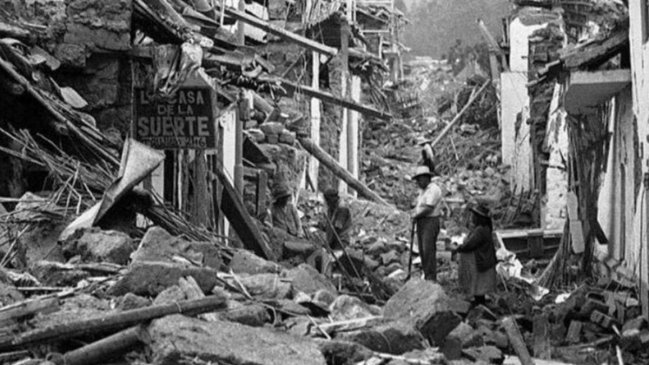
Chile is marking 120 years since the catastrophic 1906 Valparaíso earthquake, a disaster that profoundly altered the country's response to seismic activity, construction standards, and health emergencies. The earthquake struck on August 16, 1906, with an epicenter off the coast of Valparaíso. Recent studies suggest a magnitude between 8.2 and 8.6, lasting nearly four minutes, followed by a more intense tremor shortly after. The quake devastated Valparaíso, destroying 60% to 80% of its structures, triggering a tsunami, and igniting fires that consumed entire city blocks.
The seismic event was felt from Tacna to Puerto Montt, causing damage in nearby Viña del Mar, Illapel, and Talca. Historical estimates place the death toll between 3,000 and 4,000 people. The sheer scale of the destruction prompted the Chilean state to create its first official body dedicated to earthquake study: the Seismological Service of Chile, the precursor to the current National Seismological Center (CSN). Founded in 1908, the service was later integrated into the University of Chile.
Sergio Barrientos, director of the CSN, explained that while the 1906 event wasn't among the largest recorded in Chile, its severe consequences highlighted the critical need for scientific study of earthquakes and their effects. This led to the establishment of seismological stations across the country. The experience gained from the 1906 Valparaíso quake and the 1928 Talca earthquake also spurred the development of Chile's first seismic design regulations in the mid-1930s.
Further lessons were learned regarding infrastructure. The disaster demonstrated that reinforced concrete structures offered greater resistance compared to those made of adobe or simple masonry. Dean of the Faculty of Architecture and Urbanism, Jorge Inzulza, noted that post-earthquake reconstruction efforts introduced reinforced concrete and fire-resistant wall reinforcements, shaping modern building practices in this seismically active nation.
although the event was not among the largest recorded in the country, its serious consequences made the authorities understand the need to study earthquakes and their effects.
DistantNews Editorial
Originally published by Cooperativa in Spanish. Translated, summarized, and contextualized by our editorial team with added local perspective. Read our editorial standards.
More Stories


From Our Blog

What Gets Lost (and Found) When News Is Translated

The Critical Role of Diaspora Media in Global News

What Travellers Should Know About Countries with Restricted Press

A Digital Nomad's Guide to Following Local News

How the Same Story Looks Different in Different Countries
