


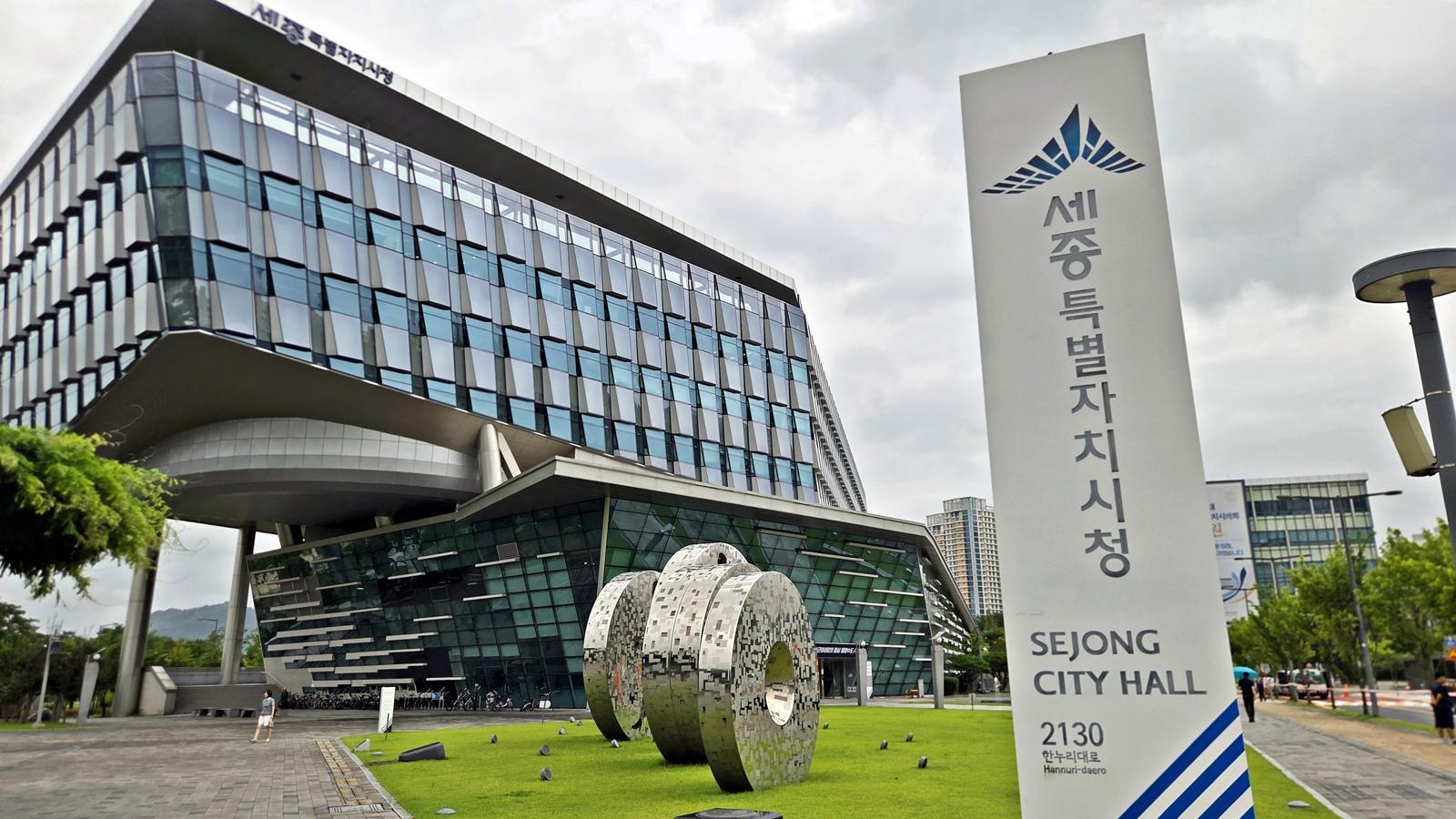
140 billion won spent on BRT road, but buses can't run after 3 years
Translated from Korean, summarized and contextualized by DistantNews.
At a glance
News
Sources not specified
Ongoing story
- A dedicated Bus Rapid Transit (BRT) road, costing 140 billion won, has been open for over two years but cannot operate buses.
- The delay is due to the city failing to secure funds for station construction and annual operating costs.
- Sejong City plans to complete station construction by the first half of next year and begin BRT operations in the latter half.
A dedicated Bus Rapid Transit (BRT) road connecting Sejong City's new town and Jochiwon has been open for over two years, yet BRT buses have yet to run. The 4.9-kilometer dedicated lane, expanded to up to eight lanes at a cost of 140 billion won by the National Agency for Administrative City Construction (NACC), remains largely empty, with only regular city buses using some sections.
The delay stems from Sejong City's failure to secure its share of the funding for subsequent construction, including station installations. The city was expected to provide approximately 1.7 billion won in local funds, but this has not been allocated. Consequently, 1.4 billion won in national funds secured by the NACC also remains unspent.
Beyond infrastructure costs, operational expenses present another significant hurdle. Introducing 15 dedicated BRT buses for the Jochiwon route is estimated to cost around 4 billion won annually. This represents a substantial financial burden for Sejong City, which is reportedly facing financial difficulties.
Sejong City had attempted to secure the necessary funds through its main budget and a supplementary budget this year, but the project was reportedly deprioritized. City officials stated that while national funds are secured, the lack of local funding has halted construction. The city aims to complete station construction by the first half of next year, with the hope of launching BRT bus services in the latter half.
National funds are secured, but Sejong City's share of local funding has not been secured, halting the construction schedule.
DistantNews Editorial
Originally published by Dong-A Ilbo in Korean. Translated, summarized, and contextualized by our editorial team with added local perspective. Read our editorial standards.
More Stories


From Our Blog

What Gets Lost (and Found) When News Is Translated

The Critical Role of Diaspora Media in Global News

What Travellers Should Know About Countries with Restricted Press

A Digital Nomad's Guide to Following Local News

How the Same Story Looks Different in Different Countries
