

19 hours in line for 20 liters of gasoline. Ukraine's plan to isolate Crimea logistically begins to bear fruit
Translated from Romanian, summarized and contextualized by DistantNews.
At a glance
News
Sources not specified
Context piece
- Crimea faces an unprecedented fuel crisis due to Ukrainian attacks on Russian supply infrastructure.
- Long queues at gas stations and fuel rationing have become common.
- Ukrainian drone attacks on fuel depots, bridges, and convoys are disrupting Russia's logistics in the occupied territories.
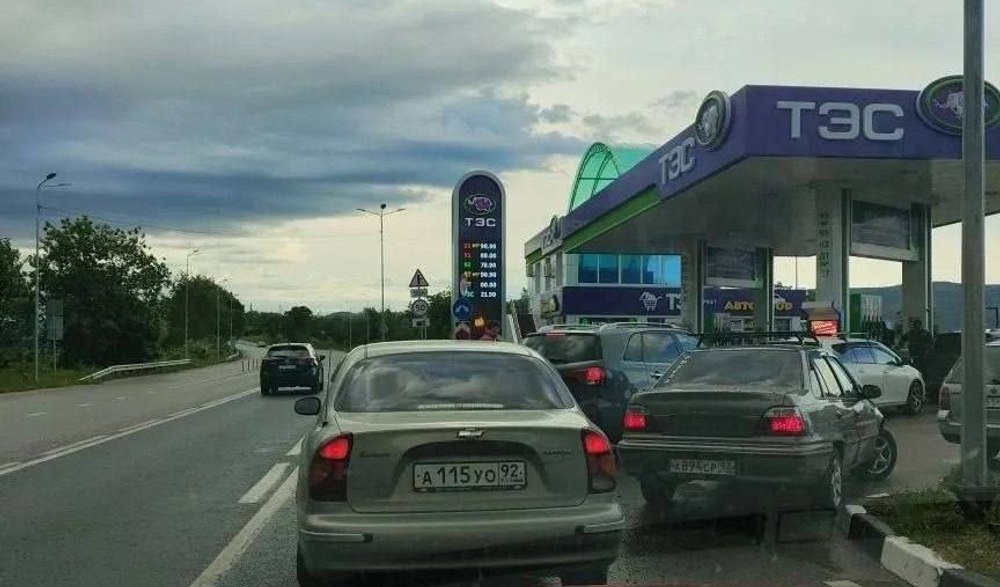
A resident near Simferopol experienced an 19-hour wait for just 20 liters of fuel, a common story amid Crimea's severe fuel shortage. The peninsula, annexed by Russia, is grappling with a crisis driven by Ukrainian attacks on its logistical supply routes.
The shortage began in late May with initial restrictions on fuel sales in Sevastopol. Drivers were limited to 20-liter refills, and major gas station chains quickly ran out of fuel. As the situation worsened, measures became stricter, with fuel sometimes distributed via QR codes. Kilometers-long queues at gas stations became a frequent sight, while authorities urged the public to avoid panic buying.
Analysts link the fuel deficit to intensified Ukrainian attacks on Russian logistical routes. Kyiv has increasingly used medium-range drones, capable of striking targets 150 to 300 kilometers away. These attacks target fuel depots, bridges, rail hubs, and supply convoys, aiming to cripple Russia's ability to sustain its front-line offensive by disrupting rear-echelon logistics.
Following attacks on the Kerch Bridge, Russia shifted significant logistics to a land corridor connecting Rostov to Crimea through occupied southern Ukraine. This route, once considered relatively safe, is now under pressure. Recent weeks have seen reports of attacks on truck convoys, fuel tankers, and road infrastructure supplying the peninsula. Several bridges connecting Crimea to occupied southern Ukraine have also been damaged, significantly complicating supply efforts, according to Ukrainian media experts.
DistantNews Editorial
Originally published by Adevărul in Romanian. Translated, summarized, and contextualized by our editorial team with added local perspective. Read our editorial standards.
More Stories

From Our Blog

What Gets Lost (and Found) When News Is Translated

The Critical Role of Diaspora Media in Global News

What Travellers Should Know About Countries with Restricted Press

A Digital Nomad's Guide to Following Local News

How the Same Story Looks Different in Different Countries
