


20-Year Hotel Dispute in the Canary Islands Ends, Clearing Way for New Construction
Translated from Polish and summarized by DistantNews. Read the original for the full story.
At a glance
News
Named sources
Approved/passed
- The Canary Islands government reached an out-of-court settlement with companies that challenged restrictions on tourism development, agreeing to pay €485 million instead of the nearly €1 billion initially claimed.
- The settlement covers disputed land whose development status can be reassessed for five years, potentially allowing more than 20 hotel and resort projects to resume.
- Construction will not restart automatically, as each project still requires planning reviews and municipal approvals.
After two decades of conflict over hotel construction, the Canary Islands government has reached a €485 million settlement with companies that challenged limits on tourism development.
The agreement covers land whose planning status had remained tied to the dispute for years. For five years, those plots will not automatically be classified as rural land, allowing authorities to reassess their development under the applicable plans.
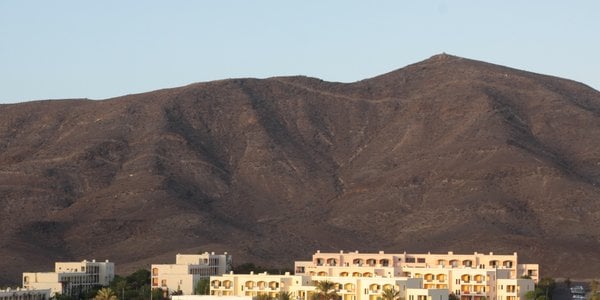
The settlement could revive more than 20 tourism projects suspended because of urban-planning restrictions. The projects include resorts, hotels and other facilities in San Bartolomé de Tirajana and Mogán on Gran Canaria, as well as locations across Fuerteventura. Other sites named in the agreement include El Salobre, Taurito, Puerto Rico and Tauro on Gran Canaria, along with areas of Fuerteventura and Lanzarote.
Lopesan will receive the largest share of the compensation, reportedly €300 million. The group was involved in 31 of the 45 appeals filed against the regional authorities, while its initial claims totaled €843 million. Its projects include the expansion of Villa del Conde and additional hotels under the Meloneras 2-A Partial Plan, as well as planned developments between Meloneras, Pasito Blanco and Maspalomas.
The dispute began in 2001, when the islands introduced measures to limit the growth of accommodation capacity and change the archipelago's tourism and spatial-planning model. A 2003 law reinforced restrictions on new tourism facilities. Companies argued that they had already secured permits for investments that the new rules made impossible to carry out. The settlement opens the door to renewed development, but each project must still pass planning checks and meet the formal requirements of the relevant municipality.
About this summary
Originally published by Rzeczpospolita in Polish. Translated, summarized, and contextualized automatically by DistantNews, with a note on how the source frames the story. Not individually reviewed before publishing. How this works.
More Stories


From Our Blog

What Gets Lost (and Found) When News Is Translated

The Critical Role of Diaspora Media in Global News

What Travellers Should Know About Countries with Restricted Press

A Digital Nomad's Guide to Following Local News

How the Same Story Looks Different in Different Countries
