


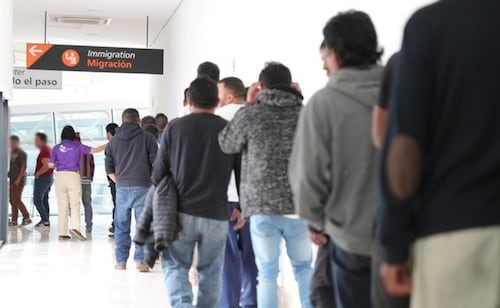
20 Yucatecans deported from US in 2026; 13 receive state aid for reintegration
Translated from Spanish, summarized and contextualized by DistantNews.
At a glance
News
Official statement
Context piece
- Twenty Yucatecans have been deported from the United States in the first half of 2026.
- The Institute for the Development of the Maya Culture (Indemaya) reports an increase in deportations, averaging four cases monthly.
- Thirteen of the deportees received financial aid from the state government to aid their reintegration.
The Institute for the Development of the Maya Culture (Indemaya) has reported that 20 individuals from Yucatán have been deported from the United States during the first six months of 2026. Senayda Rosel May, Indemaya's deputy director for Migrant Attention, noted a significant increase in deportations this year, with the agency handling an average of four cases per month.
Currently, six Yucatecans remain in the custody of U.S. Immigration and Customs Enforcement (ICE), awaiting the conclusion of their deportation processes. This situation highlights the ongoing challenges faced by migrants returning to their home state.
To assist with the reintegration process, 13 of the 20 deportees have received financial support from the Yucatán state government. Each received up to 10,000 pesos, intended to provide a cushion during their initial weeks back in Mexico. This aid can be used to start small businesses or cover basic living expenses while they seek new employment opportunities.
The state's strategy aims to offer economic alternatives to deportees, helping them establish a stable life upon their return. This initiative underscores the government's effort to support its citizens facing the difficulties of repatriation and readaptation.
The resource seeks to serve as support during the first weeks after return and can be used to start a small business or have a livelihood while the person finds a source of income again.
DistantNews Editorial
Originally published by El Universal in Spanish. Translated, summarized, and contextualized by our editorial team with added local perspective. Read our editorial standards.
More Stories



From Our Blog

What Press Freedom Means for the News You Read

What Gets Lost (and Found) When News Is Translated

The Critical Role of Diaspora Media in Global News

What Travellers Should Know About Countries with Restricted Press

A Digital Nomad's Guide to Following Local News
