


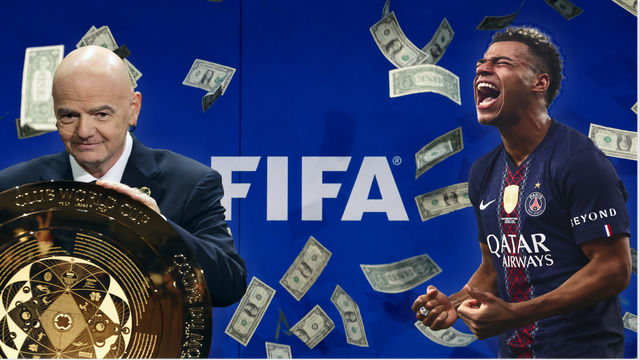
2026 World Cup: Is the billion-dollar business destroying football?
Translated from German, summarized and contextualized by DistantNews.
At a glance
Analysis
Sources not specified
Context piece
- The 2026 FIFA World Cup is set to be the largest tournament ever, but faces potential issues like half-empty stadiums and record-high ticket prices.
- The event generates billions for FIFA, while investors increasingly acquire traditional clubs, turning them into investment assets.
- Concerns are rising among fans about whether the sport is losing its essence due to increasing commercialization and a focus on profit.
The 2026 FIFA World Cup is poised to be the largest tournament in history, yet it is shadowed by concerns over its escalating commercialization and potential impact on the sport's soul.
Despite the grandeur, the tournament faces the prospect of half-empty stadiums for some matches, coupled with record-breaking ticket prices. Meanwhile, FIFA is set to profit billions, and a growing number of investors are acquiring traditional football clubs, transforming them into mere investment vehicles. This influx of capital raises questions about the true beneficiaries of football's booming economy.
As clubs, federations, and owners increasingly capitalize on new revenue streams, a significant portion of the fanbase worries that football is losing the very qualities that once made it special. The sport, once a passion for many, is increasingly perceived as a global business enterprise.
This discussion, featured in the latest episode of "Was jetzt? – Die Woche," delves into who truly profits from football's multi-billion dollar boom. It examines the actual economic benefits of the 2026 World Cup and questions whether the sport's growing commercialization is fundamentally altering its nature. The conversation features host Dilan Gropengiesser and sports editor Oliver Fritsch.
DistantNews Editorial
Originally published by Die Zeit in German. Translated, summarized, and contextualized by our editorial team with added local perspective. Read our editorial standards.
More Stories


From Our Blog

What Gets Lost (and Found) When News Is Translated

How the Same Story Looks Different in Different Countries

The Critical Role of Diaspora Media in Global News

What Travellers Should Know About Countries with Restricted Press

A Digital Nomad's Guide to Following Local News
