

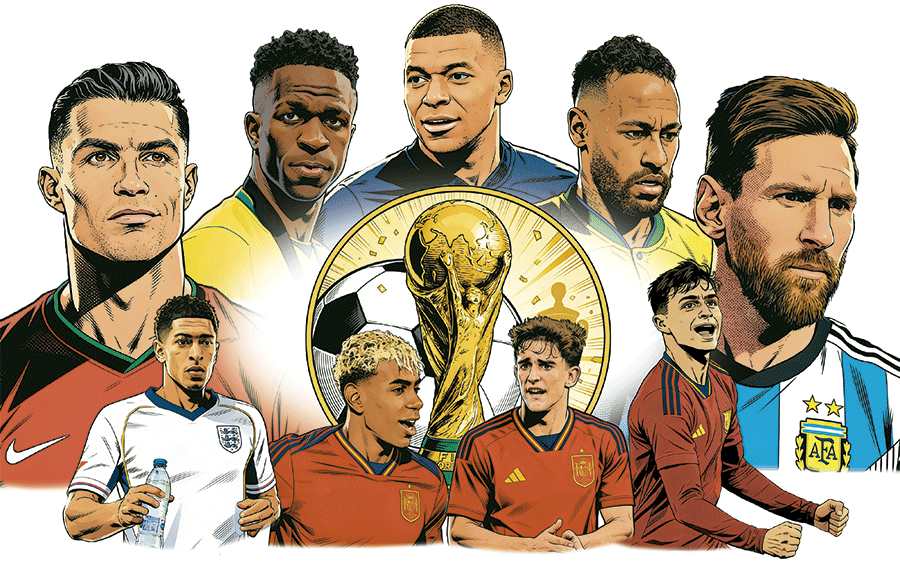

2026 World Cup sparks collective nostalgia as football again stops the world
Translated from Spanish, summarized and contextualized by DistantNews.
At a glance
News
Sources not specified
Context piece
- The 2026 FIFA World Cup will feature an expanded format with 48 teams across three host nations: Mexico, the United States, and Canada.
- Despite the ambitious scale, a sense of collective nostalgia exists, with some social media users feeling this World Cup lacks something previous tournaments had.
- The expansion to 48 teams, up from 32, raises questions about maintaining excitement in the early stages, though some believe the tournament will gain momentum from the knockout rounds onward.
The 2026 FIFA World Cup is set to be the most ambitious yet, expanding to include 48 teams, 16 stadiums, and 104 matches spread across three host countries: Mexico, the United States, and Canada. This massive scale, however, has coincided with a peculiar sense of collective nostalgia among fans. Social media analysis reveals a sentiment that this World Cup might be missing an intangible element present in past tournaments.
There is something that this World Cup does not have and that others did have.
The expansion of teams from 32 to 48, a move designed to include more nations like Cabo Verde, Curacao, Jordan, and Uzbekistan, has sparked debate. While FIFA aims for broader participation, some, like Guatemalan U-20 coach Sebastián Bini, express concern that the initial group stages might lose some of their traditional excitement. Bini suggests the tournament's true intensity may only emerge in the knockout phase, urging a "benefit of the doubt" for the new format.
I think the World Cup will start to make sense in the round of 16.
Historically, the World Cup has united millions globally, transcending age and gender. It transforms ordinary routines into a month-long celebration, fostering national pride and a sense of shared identity. Fans rally behind their teams, finding personal connection in shared colors and histories. This year's tournament, preceding the 2030 centenary, builds on this fervor, with excitement mounting since the qualifying rounds. Yet, the underlying nostalgia suggests a longing for a past simplicity or intensity that the current format might not replicate.
We have to give the benefit of the doubt to this new format.
DistantNews Editorial
Originally published by Prensa Libre in Spanish. Translated, summarized, and contextualized by our editorial team with added local perspective. Read our editorial standards.
More Stories
From Our Blog

What Gets Lost (and Found) When News Is Translated

The Critical Role of Diaspora Media in Global News

What Travellers Should Know About Countries with Restricted Press

A Digital Nomad's Guide to Following Local News

How the Same Story Looks Different in Different Countries
