


2026 World Cup to Feature Three Opening Ceremonies Across Host Nations
Translated from Spanish, summarized and contextualized by DistantNews.
At a glance
News
Named sources
Context piece
- The 2026 World Cup will feature three opening ceremonies, one in each host country: the US, Mexico, and Canada.
- The main ceremony will be held at Mexico's Estadio Azteca on June 11, preceding the Mexico vs. South Africa match.
- Musical artists like Alejandro Fernández, Belinda, J Balvin, and Katy Perry are slated to perform at the various ceremonies.
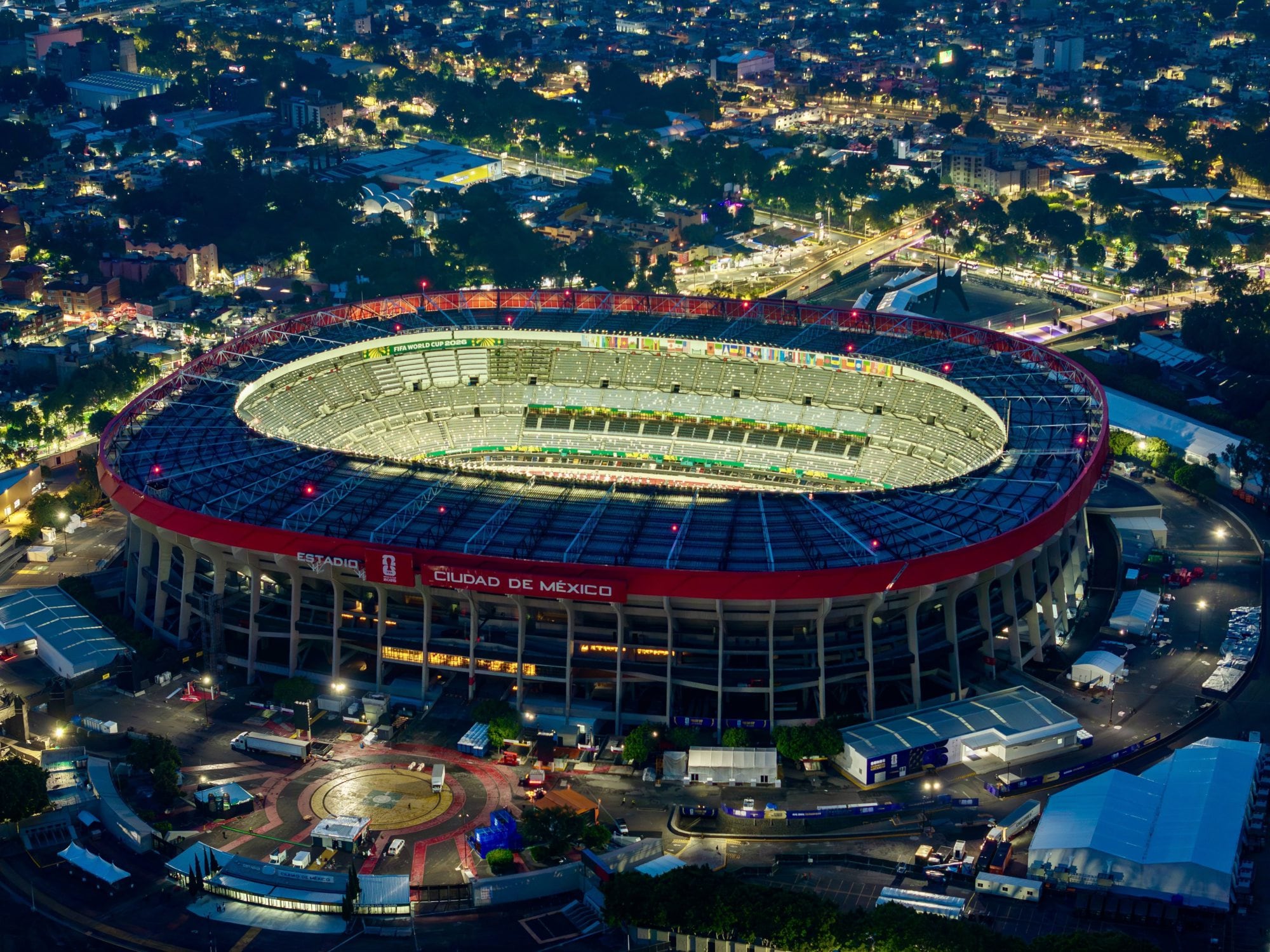
The 2026 FIFA World Cup, jointly hosted by the United States, Mexico, and Canada, will break tradition by holding three distinct opening ceremonies, one for each nation. The most anticipated of these events is the primary ceremony scheduled for June 11th at the historic Estadio Azteca in Mexico City.
This ceremony holds particular significance as it marks the first time a single stadium will host opening events for three different World Cups. It will commence 90 minutes before the tournament's inaugural match between Mexico and South Africa, kicking off at 2:30 PM Argentinian time. FIFA President Gianni Infantino is expected to be among the speakers.
The Estadio Azteca ceremony is set to feature a vibrant lineup of internationally recognized musicians from Mexico, including Alejandro Fernández, Belinda, Danny Ocean, J Balvin, Lila Downs, Los Ángeles Azules, and Maná. The event aims to showcase the rich culture of the Aztec people through artistic elements like "papel picado," described as a powerful symbol of tradition, craftsmanship, and joy.
Following Mexico's event, two additional ceremonies will take place on June 12th. Canada's ceremony in Toronto's BMO Field will precede the match between Canada and Bosnia-Herzegovina, featuring artists such as Alanis Morissette and Michael Bublé. Simultaneously, the United States ceremony at Los Angeles' SoFi Stadium will precede the US match against Paraguay, with performances by Katy Perry, Future, Anitta, and others.
The opening ceremony will express the culture of the Aztec people through the intricate and festive art of papel picado, which is a powerful symbol of tradition, craftsmanship, and joy.
DistantNews Editorial
Originally published by La Nación in Spanish. Translated, summarized, and contextualized by our editorial team with added local perspective. Read our editorial standards.
More Stories

From Our Blog

What Gets Lost (and Found) When News Is Translated

The Critical Role of Diaspora Media in Global News

What Travellers Should Know About Countries with Restricted Press

A Digital Nomad's Guide to Following Local News

How the Same Story Looks Different in Different Countries
