

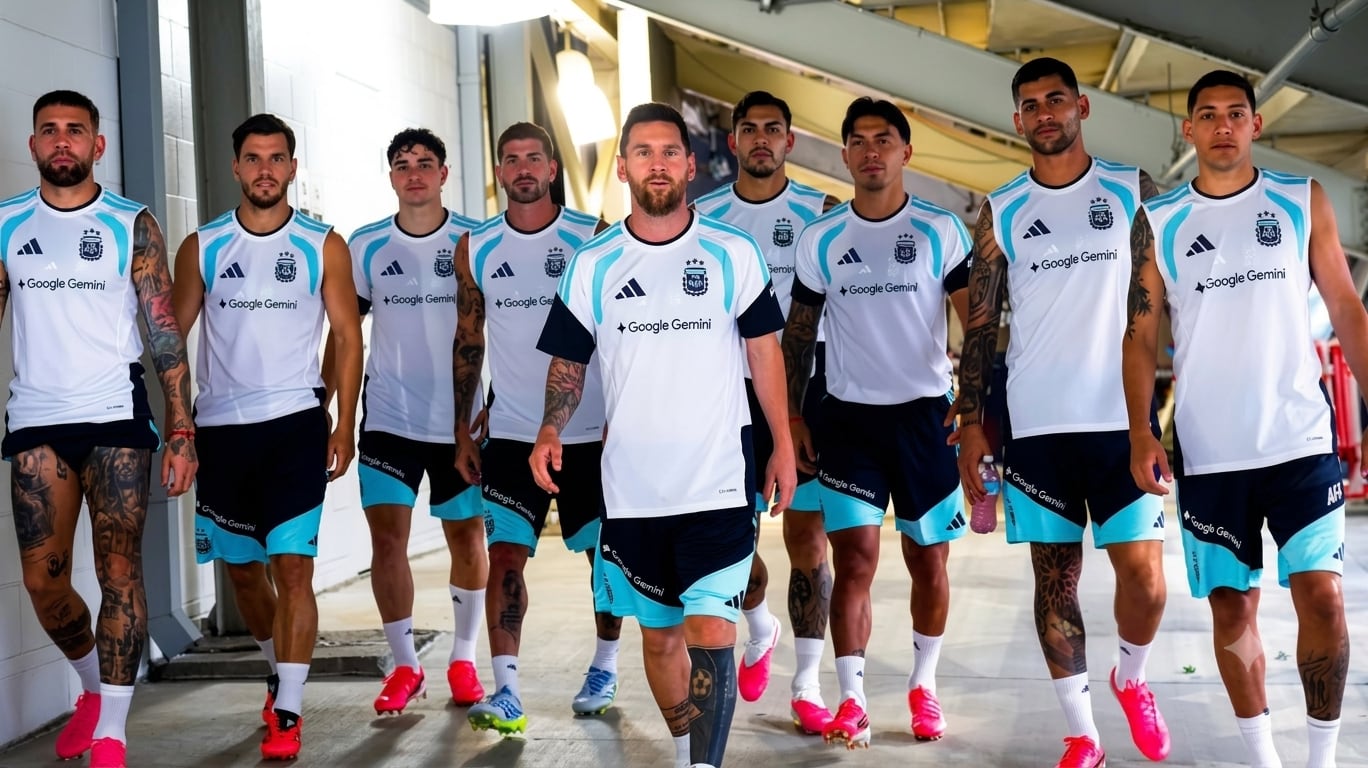
Argentina to Play Iceland in American Football Temple Stadium
Translated from Spanish, summarized and contextualized by DistantNews.
At a glance
News
Sources not specified
Context piece
- Argentina's national soccer team will play Iceland in a friendly match at the Jordan-Hare Stadium in Kansas City.
- The stadium, home to the Auburn Tigers American football team, holds over 88,000 spectators and is considered a temple of college football in the southern United States.
- This match marks the first-ever soccer game to be held at the historic venue, which was built in 1939 and has since undergone significant expansions.
The Argentina national soccer team is set to play Iceland in a friendly match at the Jordan-Hare Stadium in Kansas City, a venue more accustomed to the roar of American football crowds. The stadium, home to the Auburn Tigers, is a significant landmark in the southern United States, capable of holding over 88,000 spectators – more than the population of Auburn city itself.
Originally built in 1939, the stadium has grown from a modest 15,000-seat capacity to become one of the largest university sports facilities in the country. Its significance is deeply rooted in the cultural phenomenon of college football in the American South, where passion for teams like the Auburn Tigers rivals, and sometimes surpasses, that for professional leagues.
The stadium's atmosphere is amplified by traditions like the "Tiger Walk," where fans create a corridor to greet the team before games. This event, originating in the 1960s, has become a celebrated ceremony, drawing thousands of fans and showcasing the intense devotion to college sports in the region. The upcoming match against Iceland will be the first soccer game ever played in this iconic American football arena.
DistantNews Editorial
Originally published by La Nación in Spanish. Translated, summarized, and contextualized by our editorial team with added local perspective. Read our editorial standards.
More Stories


From Our Blog

What Gets Lost (and Found) When News Is Translated

The Critical Role of Diaspora Media in Global News

What Travellers Should Know About Countries with Restricted Press

A Digital Nomad's Guide to Following Local News

How the Same Story Looks Different in Different Countries
