

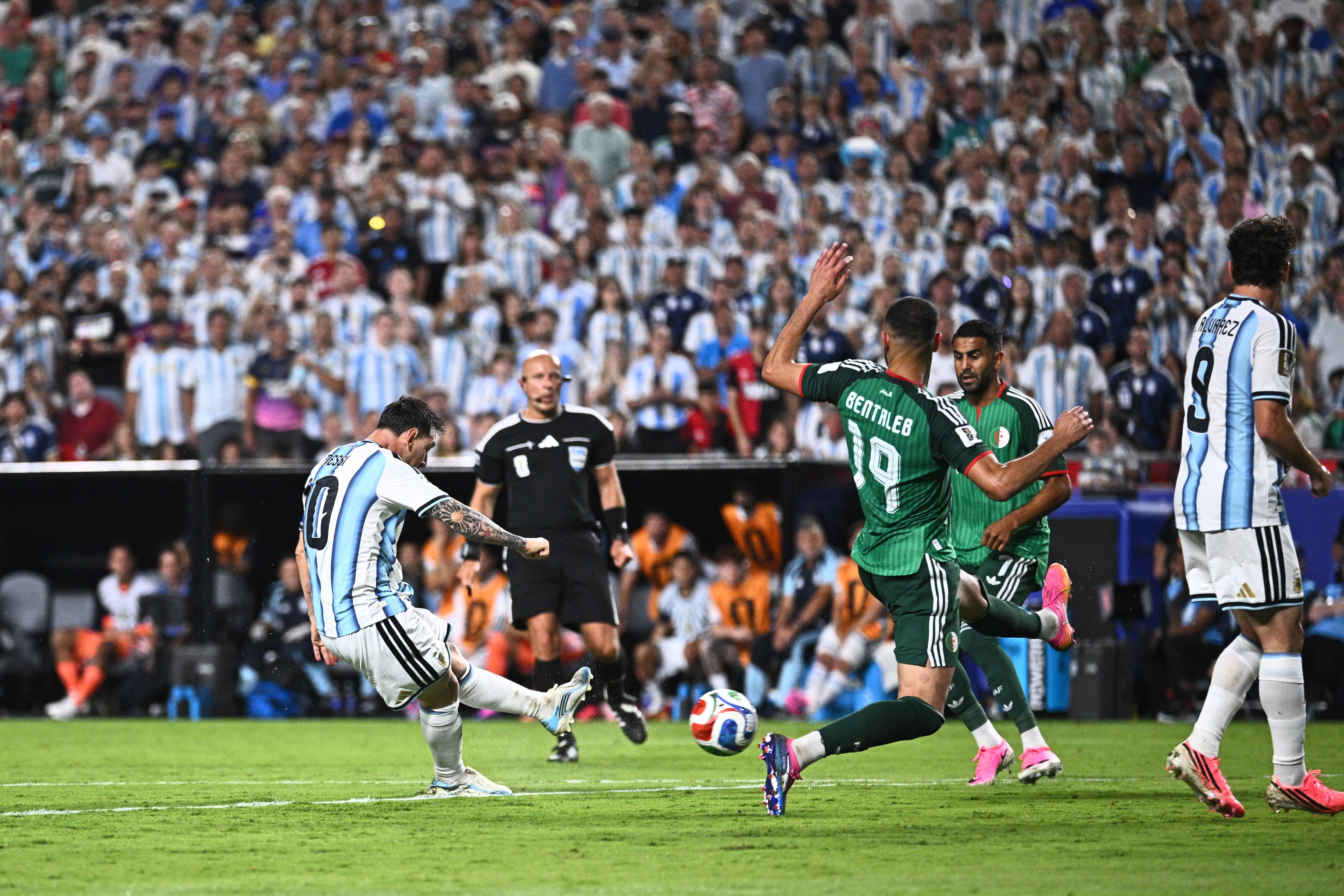
2026 World Cup: Who Controls Football Amidst Multi-Club Ownership?
Translated from Spanish, summarized and contextualized by DistantNews.
At a glance
News
Sources not specified
Context piece
- The 2026 World Cup arrives amid a significant transformation in football, marked by the rise of multi-club ownership (MCO).
- Investment funds, multinational corporations, and even states now control networks of clubs globally.
- While proponents cite investment and talent development, critics warn of lost identity and diminished fan influence.
The 2026 World Cup is set to take place against the backdrop of a rapidly evolving football landscape, increasingly dominated by the phenomenon of multi-club ownership (MCO).
This model sees investment funds, multinational corporations, and even state entities acquiring and controlling networks of football clubs across various countries. This consolidation of ownership is reshaping the sport's structure and dynamics.
Supporters of MCO argue that it brings much-needed investment into clubs, fostering talent development and potentially improving competitiveness. They see it as a modern approach to managing football assets in a globalized market.
However, critics raise serious concerns about the implications of this trend. They warn of a potential loss of club identity and local character as ownership becomes increasingly detached from the communities the clubs represent. Furthermore, there are fears that MCO could diminish the influence of fans and prioritize commercial interests over sporting integrity.
DistantNews Editorial
Originally published by El País in Spanish. Translated, summarized, and contextualized by our editorial team with added local perspective. Read our editorial standards.
More Stories
From Our Blog

What Gets Lost (and Found) When News Is Translated

The Critical Role of Diaspora Media in Global News

What Travellers Should Know About Countries with Restricted Press

A Digital Nomad's Guide to Following Local News

How the Same Story Looks Different in Different Countries
