

FIFA Allows Spanish in All World Cup Press Conferences After Reversal
Translated from Spanish, summarized and contextualized by DistantNews.
At a glance
News
Named sources
Approved/passed
- FIFA has reversed its decision and now permits Spanish to be used in all press conferences during the 2026 World Cup, regardless of participating teams.
- The initial restriction sparked widespread discontent among Spanish-speaking media and fans from Spain and Latin America.
- Spanish is the second most spoken language in the United States and the official language of Mexico, one of the host countries.
FIFA has reversed its stance, now allowing Spanish to be used in all press conferences throughout the 2026 World Cup, irrespective of whether Spanish-speaking national teams are involved. This change comes after initial restrictions sparked significant backlash from media and fans across Spain and Latin America.
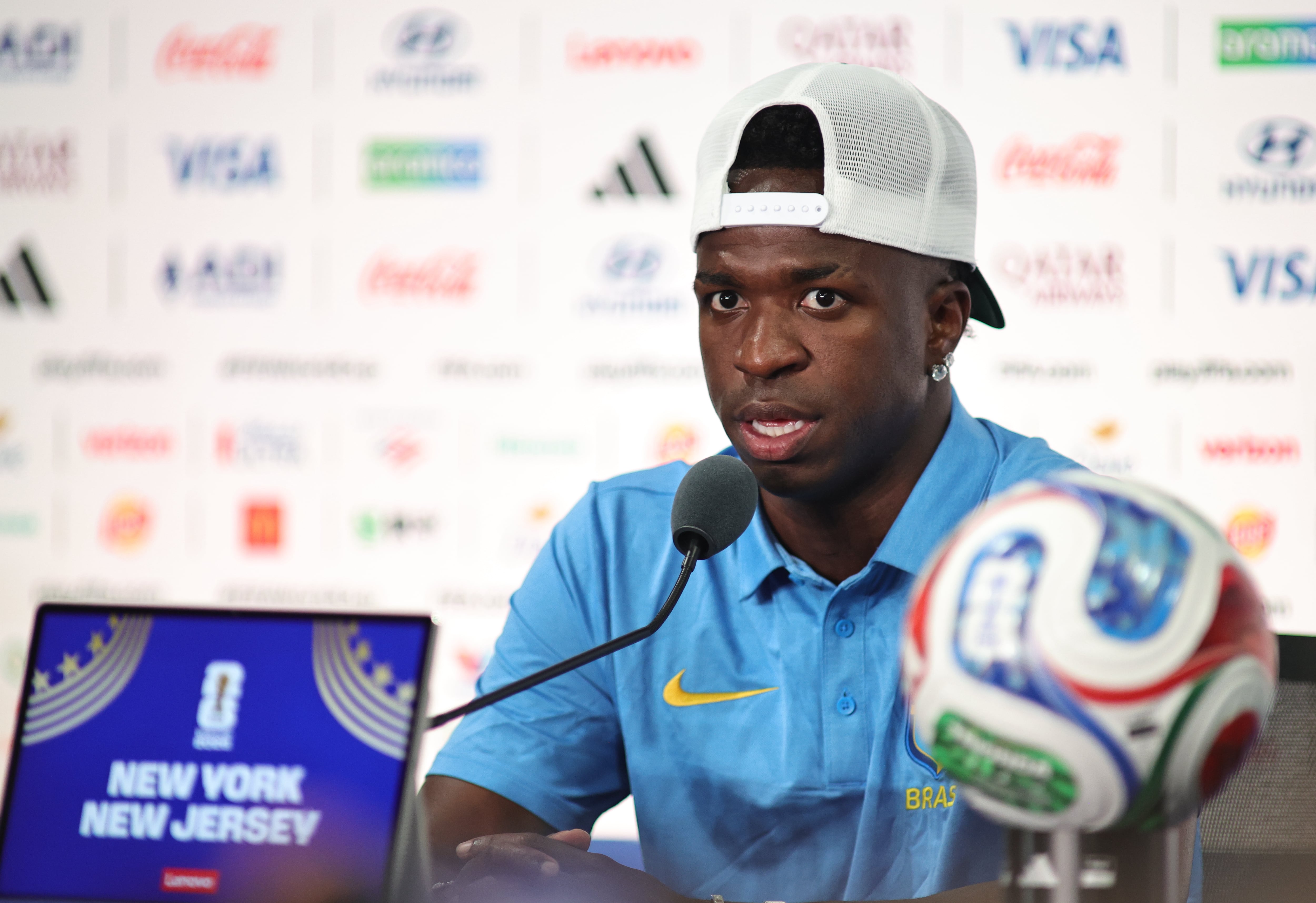
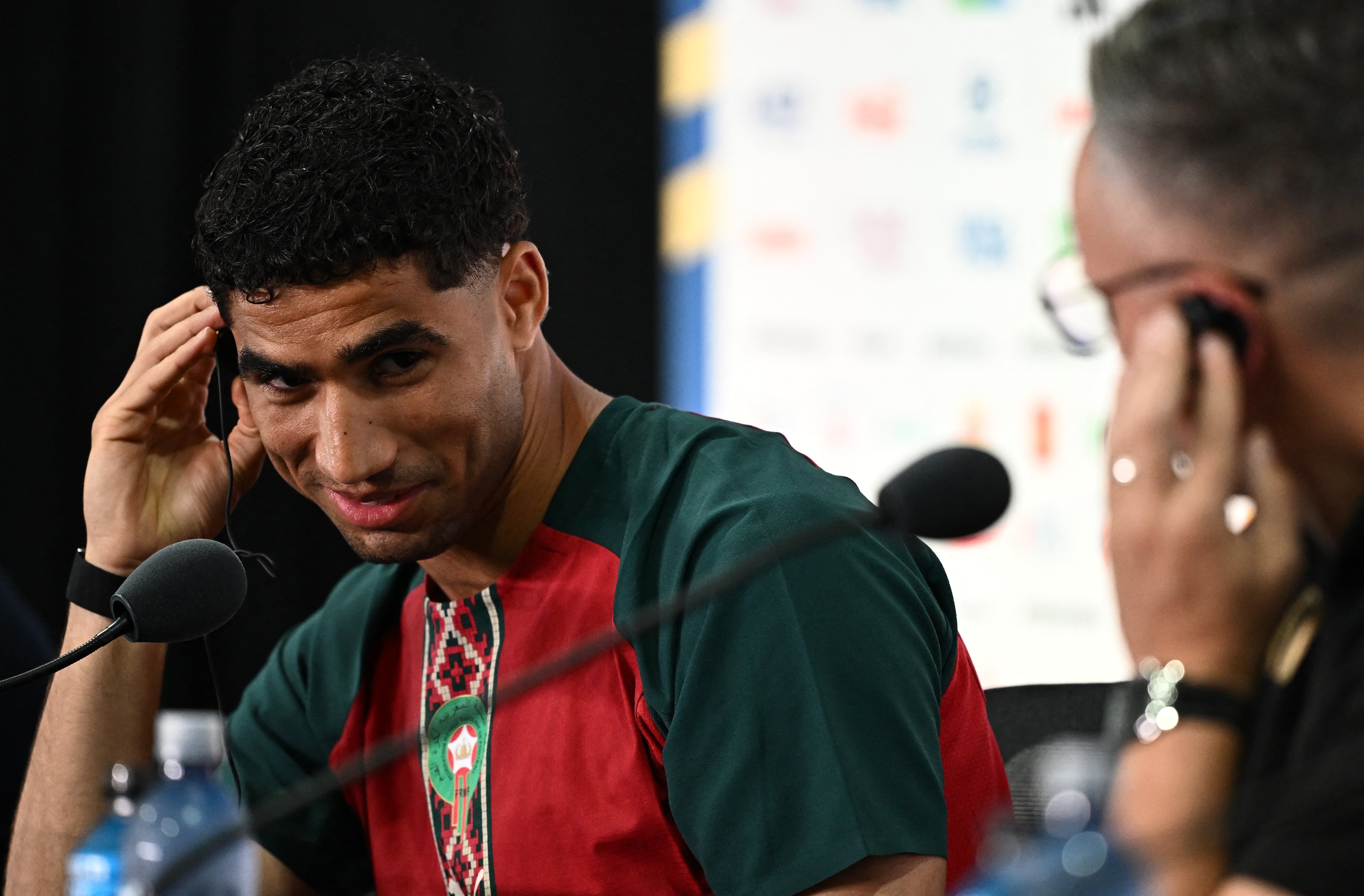
The controversy began during press conferences leading up to matches involving teams like Brazil and Morocco, and the Netherlands and Japan. FIFA officials initially disallowed players from answering questions posed in Spanish, creating frustration. This policy was particularly contentious given that Spanish is the second most spoken language in the United States, a co-host nation, with 57 million speakers, and is the official language of Mexico, another host country.
While FIFA has not issued a formal announcement, the decision to permit Spanish was made after observing the widespread discontent. The organization has reportedly informed FIFA officials at each press conference to allow journalists to ask questions in Spanish and for players to respond in the same language. This marks a significant shift from the tournament's initial protocol.
Previously, FIFA's standard procedure allowed questions only in English and the languages of the participating teams, with associations able to request additional languages. For matches in the US and Canada, Spanish was only permitted if teams like Mexico, Argentina, or Colombia were present, unless other federations made special requests. The shift aims to accommodate the large Spanish-speaking audience and media presence at the tournament.
DistantNews Editorial
Originally published by El País in Spanish. Translated, summarized, and contextualized by our editorial team with added local perspective. Read our editorial standards.
More Stories
From Our Blog

What Gets Lost (and Found) When News Is Translated

The Critical Role of Diaspora Media in Global News

What Travellers Should Know About Countries with Restricted Press

A Digital Nomad's Guide to Following Local News

How the Same Story Looks Different in Different Countries
