


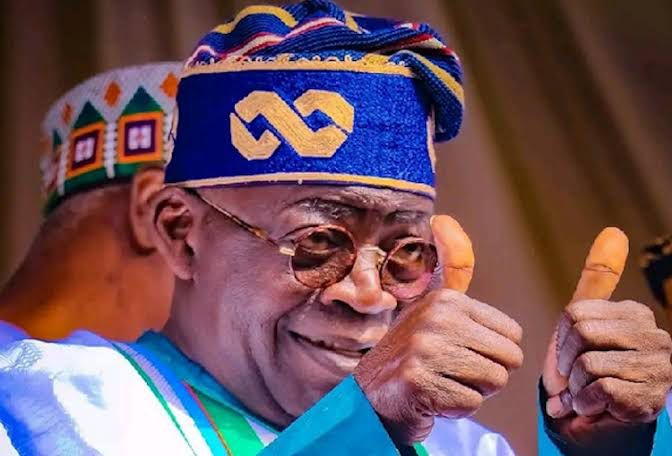
2027: Accord, AAC, SDP presidential candidates join forces against Tinubu
Summarized and contextualized by DistantNews.
At a glance
News
Named sources
Ongoing story
- Presidential candidates from Nigeria's Accord, AAC, and SDP parties agreed to form a joint democratic force for the 2027 elections.
- The alliance aims to counter the concentration of political power and strengthen democratic institutions, warning against a move towards "coronation disguised as an election."
- They also called for the release of political detainees, including Nnamdi Kanu and Bichia Maisango, and urged international monitoring of Nigeria's democratic trajectory.
In a significant potential realignment of Nigeria's opposition politics, the presidential candidates of the Accord Party, African Action Congress (AAC), and Social Democratic Party (SDP) have resolved to unite as a common democratic force ahead of the 2027 presidential election.
The agreement was reached following a weekend meeting in Port Harcourt between Dr. Gbenga Olawepo-Hashim (Accord), Mr. Omoyele Sowore (AAC), and Prince Adewole Adebayo (SDP). The leaders expressed deep concern over the concentration of political power, the weakening of democratic institutions, and the shrinking space for genuine political competition in Nigeria. They issued a stark warning that the nation risks transitioning from a competitive multi-party democracy to what they described as "a coronation disguised as an election."
To counter this trend, the candidates committed to aligning their political forces to present a unified democratic alternative. This proposed alliance intends to mobilize a broad coalition of workers, youths, women, professionals, entrepreneurs, civil society organizations, and Nigerians from all ethnic, religious, regional, and political backgrounds. While the specific structure and presidential candidate will be determined later, the leaders emphasized that "the larger national interest must take precedence over individual political ambitions."
The larger national interest must take precedence over individual political ambitions.
Beyond electoral strategy, the candidates demanded an immediate review of cases involving individuals detained or imprisoned for political expression, self-determination advocacy, or exercising constitutionally protected rights. They specifically called for the release of Mazi Nnamdi Kanu, a prominent advocate for the political rights of the Igbo people, and Bichia Maisango, identified as an advocate for Hausa Zallah cultural rights. The leaders also demanded an end to the alleged legal and political persecution of Omoyele Sowore for his political activities, stressing that democratic societies must accommodate dissent and peaceful disagreement.
Furthermore, the three candidates urged the international community, democratic governments, regional institutions, and human rights organizations to closely monitor Nigeria's democratic progress. They voiced concerns about alleged attempts within security, electoral, judicial, legislative, and executive bodies to undermine opposition parties, manipulate public institutions, and hinder genuine political competition. While firmly rejecting foreign interference in Nigeria's sovereign affairs, they called for accountability for any abuse of public office.
Democratic societies must accommodate dissent and peaceful disagreement.
DistantNews Editorial
Originally published by Vanguard. Summarized and contextualized by our editorial team with added local perspective. Read our editorial standards.
More Stories


From Our Blog

How the Same Story Looks Different in Different Countries

What Gets Lost (and Found) When News Is Translated

The Critical Role of Diaspora Media in Global News

What Travellers Should Know About Countries with Restricted Press

A Digital Nomad's Guide to Following Local News
