

2027: Peter Obi promises production-driven economy
Summarized and contextualized by DistantNews.
At a glance
News
Named sources
Context piece
- Peter Obi, presidential candidate for the Nigeria Democratic Congress (NDC), advocates for a shift from a consumption-driven to a production-based economy.
- Obi stated that his campaign will focus on rebuilding Nigeria and improving living standards, emphasizing responsible resource management and investment in people.
- He highlighted the need for direct answers from leaders on citizens' well-being and business growth, citing IMF data on poverty in Nigeria.
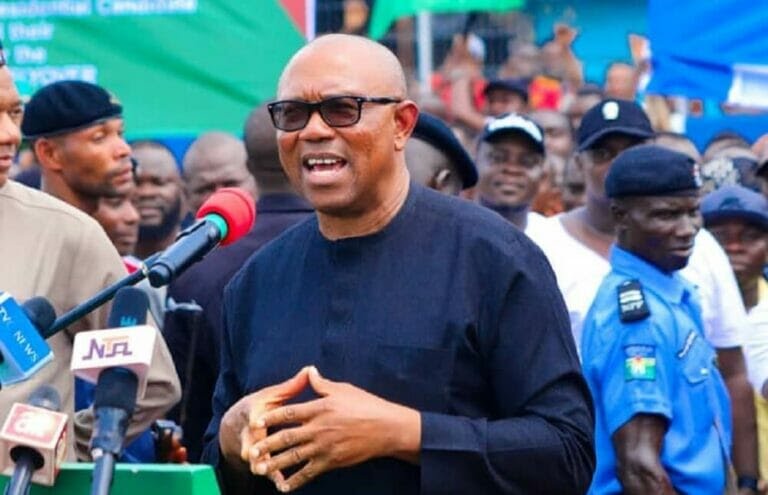
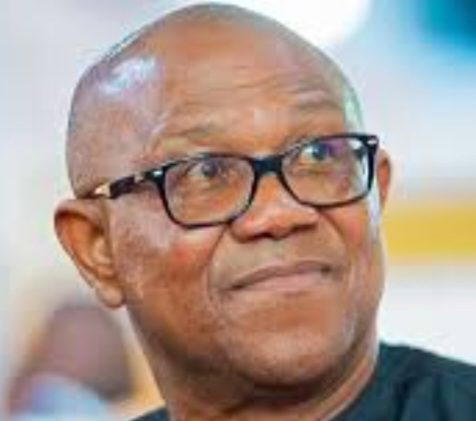
Peter Obi, the presidential candidate for the Nigeria Democratic Congress (NDC), has declared that Nigeria must urgently transition from a consumption-driven economy to one centered on production, warning that prosperity cannot be achieved through imports alone. Obi framed his 2027 presidential campaign not merely as a political exercise, but as an opportunity for a national conversation on rebuilding the country and enhancing the living standards of Nigerians.
Our experiences differ, but our conclusion is clear: Nigeria must invest in its people and manage its public resources responsibly.
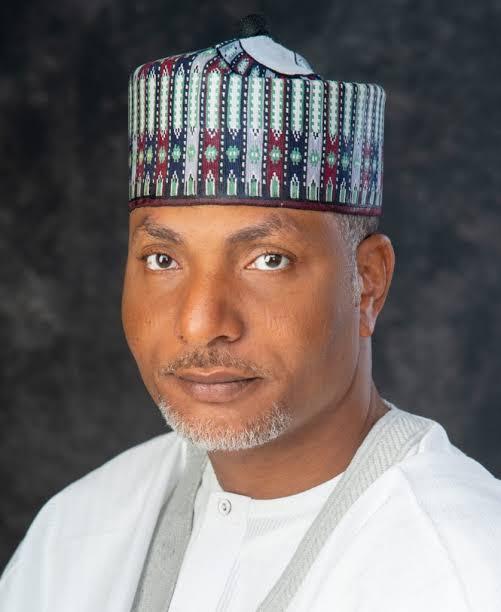
Addressing journalists in Onitsha, Anambra State, Obi outlined his key campaign message, emphasizing that while he and his running mate, Senator Rabiu Kwankwaso, come from different backgrounds, they share a common objective: to improve the lives of the poor and vulnerable. He asserted that Nigeria needs more than reactive reforms, posing critical questions about citizens' affordability of food, education, and healthcare, and the capacity of businesses to grow and create jobs.
Obi urged citizens to seek direct answers from leaders regarding their well-being and the nation's economic health. He believes Nigerians should evaluate the records, ideas, and plans of those seeking their mandate, especially during this period of global uncertainty. "Nigeria can work, and Nigeria must work," Obi stated, acknowledging the country's serious and existential challenges.
Nigeria needs more than mere reactive reforms. The real questions are: Are Nigerians better off than they were four years ago? Can they afford food, education, and healthcare? Can businesses grow, produce, and generate jobs? Can young people secure productive employment? Can farmers work safely and get their produce to market?
Citing International Monetary Fund (IMF) data, Obi highlighted that 63%, or over 140 million Nigerians, live at or below the national poverty line. Humanitarian agencies estimate that 35 million people will require food aid. Obi stressed the importance of investing in people and managing public resources responsibly as core tenets for building a functional economy.
This moment gives Nigerians the opportunity to evaluate the records, ideas, and plans of those seeking their mandate to lead their country at a time of significant uncertainty in our rapidly changing world. I consider myself quite privileged to be among those asking for your mandate to address these national challenges. I enter this contest with one firm belief: Nigeria can work, and Nigeria must work.
DistantNews Editorial
Originally published by Vanguard. Summarized and contextualized by our editorial team with added local perspective. Read our editorial standards.
More Stories

From Our Blog

How the Same Story Looks Different in Different Countries

What Gets Lost (and Found) When News Is Translated

The Critical Role of Diaspora Media in Global News

What Travellers Should Know About Countries with Restricted Press

A Digital Nomad's Guide to Following Local News
