


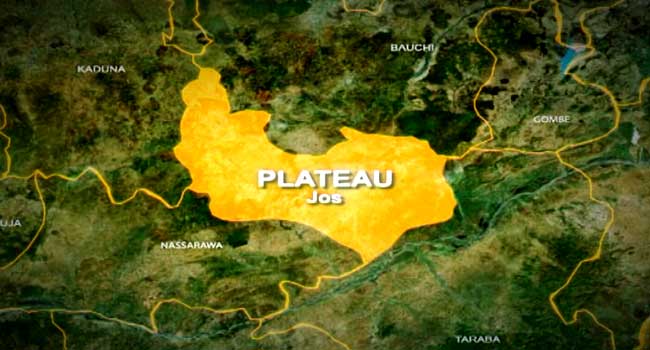
23.2% of Plateau children out of school, govt mulls sanctions for parents
Summarized and contextualized by DistantNews.
At a glance
News
Named sources
New plan
- Plateau State, Nigeria, faces a significant challenge with 23.2% of school-age children out of school.
- The government is considering sanctions for parents who fail to enroll their children as part of efforts to address the issue.
- Insecurity and socio-economic factors are cited as primary reasons for the high number of out-of-school children.
Plateau State in Nigeria is grappling with a concerning rise in out-of-school children, with the state government revealing that 23.2% of school-age children are not currently attending classes. This alarming figure has prompted the government to explore stricter measures, including potential sanctions against parents who neglect to enroll their children in school.
The issue of out-of-school children has become a menace. Insecurity across the country has contributed significantly to the growing number of children who are not in school, and Plateau is no exception.
Mrs. Kachollom Gang, the Commissioner for Education, highlighted insecurity and broader socio-economic challenges as major contributors to this trend. She described the situation as a "menace," noting that instability across the country significantly impacts school attendance, and Plateau is not immune. Governor Caleb Mutfwang's administration is committed to improving the education sector, but the commissioner stressed that more concerted efforts are needed to reduce the number of children outside the formal school system.
The governor has done everything possible to encourage education in the state, and I believe he will continue to do more because he is deeply concerned about the increasing rate of school dropouts.
Gang commended the efforts of School-Based Management Committees (SBMCs) in supporting government initiatives. She urged them to intensify grassroots advocacy, identify out-of-school children, and encourage parental enrollment. The Ministry of Education is considering "stringent measures" to compel parents to fulfill their obligation to educate their children, working in collaboration with traditional rulers, religious leaders, and development partners.
As a ministry, we are looking at introducing stringent measures that will encourage or compel parents to ensure their children are in school.
The commissioner lamented the decline in educational standards, recalling a time when Plateau was a leading state in education in Northern Nigeria. Upon their assumption of office, the state ranked 33rd out of 36 states. While acknowledging some progress, she expressed determination to restore Plateau's educational prominence. Sunday Amuna, Executive Chairman of the Plateau State Universal Basic Education Board (PLSUBEB), echoed the need for collective action, warning that children outside the classroom are vulnerable to criminal activities and other social vices.
There was a time Plateau was regarded as the leading state in education in Northern Nigeria. When we came into office, Plateau was ranked 33rd among the 36 states. We have made some progress, but we are determined to restore Plateau to its rightful position.
DistantNews Editorial
Originally published by Vanguard. Summarized and contextualized by our editorial team with added local perspective. Read our editorial standards.
More Stories


From Our Blog

How the Same Story Looks Different in Different Countries

What Gets Lost (and Found) When News Is Translated

The Critical Role of Diaspora Media in Global News

What Travellers Should Know About Countries with Restricted Press

A Digital Nomad's Guide to Following Local News
