

3,000-year-old tomb discovered in southern Egypt
Translated from Malay, summarized and contextualized by DistantNews.
At a glance
News
Official statement
New plan
- Archaeologists discovered a 3,000-year-old tomb near Luxor, Egypt, belonging to a man named Paser.
- The tomb, dating back to the 19th and 20th Dynasties, was found by a Dutch mission from Leiden University.
- The discovery is part of Egypt's efforts to boost tourism through new archaeological finds.
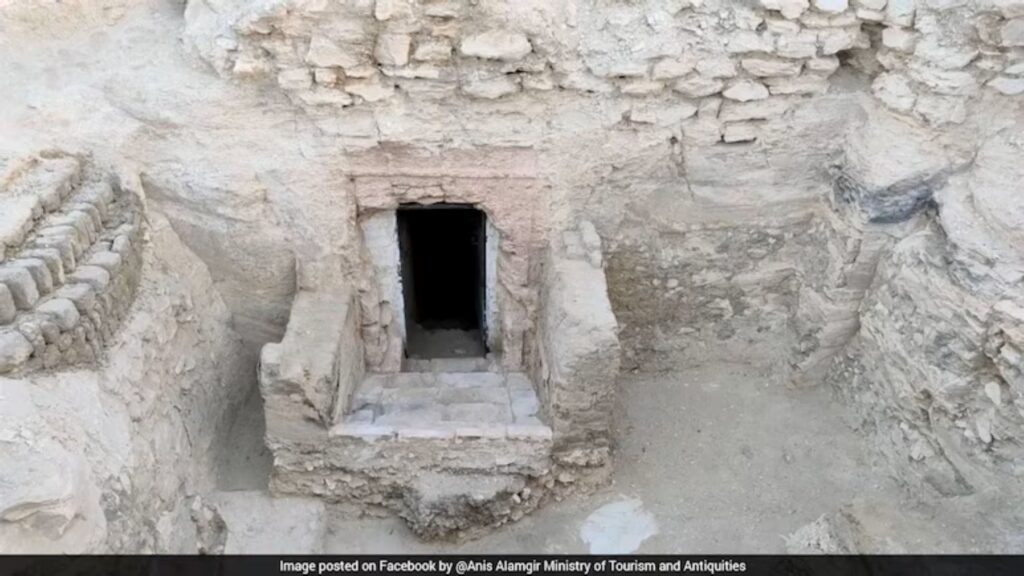
A 3,000-year-old tomb has been unearthed near Luxor in southern Egypt, according to authorities. The discovery, attributed to a man named Paser, was made by a Dutch archaeological mission from Leiden University in the Sheikh Abd el-Qurna ancient burial ground on Luxor's West Bank.
The discovery is the latest in a series of historical excavations that are hoped to further boost the country's tourism sector.
Experts believe the tomb dates back to the pharaonic era, specifically the 19th and 20th Dynasties, based on its hieroglyphic style. The tomb follows the traditional layout of private tombs from the New Kingdom era (1570-1069 BC) in the ancient city of Thebes. It features an open courtyard leading to a small, T-shaped prayer hall and a burial chamber carved below ground.
Based on the style of hieroglyphic writing found, experts believe the tomb dates back to the pharaonic era, specifically the 19th and 20th Dynasties of ancient Egypt.
Within the courtyard, archaeologists found well-preserved architectural elements, including a mud-brick bench for a funerary stela and a staircase leading to the entrance. Inside, stone carvings depict Paser worshipping deities and sitting with his wife before an offering table. The excavation team will continue documentation and research to identify the individual buried there and deepen the understanding of the tomb's historical and archaeological context.
The structure of the tomb consists of an open courtyard leading to a small prayer hall made of stone in the shape of an inverted 'T'.
This latest find comes as Egypt actively promotes new archaeological discoveries to support its vital tourism sector, a major source of foreign currency. Luxor is renowned for its significant ancient monuments and archaeological sites.
The excavation team will continue documentation and follow-up studies to determine who is actually buried in the tomb, thereby providing a deeper understanding of its historical and archaeological context.
DistantNews Editorial
Originally published by Utusan Malaysia in Malay. Translated, summarized, and contextualized by our editorial team with added local perspective. Read our editorial standards.
More Stories



From Our Blog

What Gets Lost (and Found) When News Is Translated

The Critical Role of Diaspora Media in Global News

What Travellers Should Know About Countries with Restricted Press

A Digital Nomad's Guide to Following Local News

How the Same Story Looks Different in Different Countries
