

30 years of public procurement law in Austria
Translated from German, summarized and contextualized by DistantNews.
At a glance
News
Named sources
Context piece
- Austria's accession to the EU in 1995 marked the beginning of a new era in public procurement.
- The law firm Schramm Öhler has been a key player in shaping public procurement law in Austria for the past 30 years.
- Public procurement has evolved into a strategic tool for European economic policy, influencing innovation, sustainability, and regional value creation.
Thirty years ago, public procurement law in Austria was a nascent field, gradually taking shape following the country's accession to the European Union in 1995. Today, it has transformed into a complex and strategic instrument of European economic policy, influencing everything from economic resilience and supply chains to the energy transition and the "Made in Europe" initiative. The law firm Schramm Öhler has been instrumental in this evolution, having been founded in 1996 and specializing in this area from its inception.
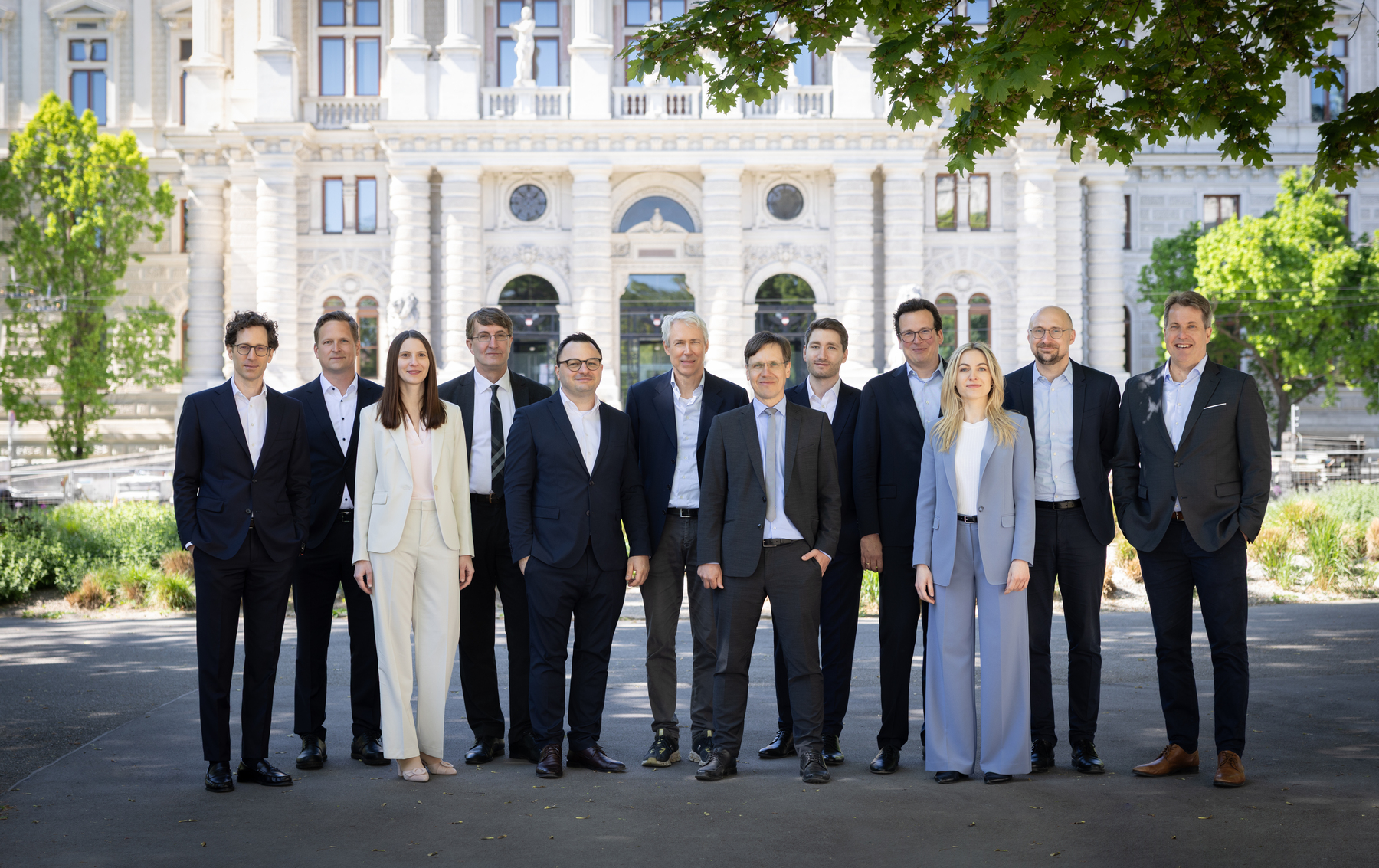
Schramm Öhler Rechtsanwälte celebrates its 30th anniversary this year, reflecting on the growth of a legal discipline that is now among the most intricate in business law. The firm itself has expanded significantly, now boasting 12 partners, over 50 lawyers, and a total staff of more than 110 individuals across five Austrian locations. This growth has positioned it as the largest firm dedicated solely to public procurement law in the country and among Austria's top 20 law firms.
In the 90s, we had to do literal pioneering work to align the EU's regulatory framework with domestic procurement requirements. Today, public contracting authorities deliberately invest in innovation, sustainability, security of supply, and the regional value creation of the country through their procurements.
"Public procurement has fundamentally changed over the past 30 years," recalls founding partner Johannes Schramm. "In the 90s, we had to do literal pioneering work to align the EU's regulatory framework with domestic procurement requirements. Today, public contracting authorities deliberately invest in innovation, sustainability, security of supply, and the regional value creation of the country through their procurements."
The practice of public procurement has faced numerous stress tests recently, including navigating the COVID-19 pandemic when essential medical supplies had to be procured rapidly and legally under immense pressure and supply shortages. It also plays a crucial role in ambitious projects like the energy transition, which grapple with global conflicts, dependencies on key technologies from third countries, and a complex web of EU regulations. "Public procurement is incredibly versatile, and it is precisely this versatility that makes our legal field so demanding," notes partner Matthias Öhler, emphasizing the need for tenders to understand markets.
Public procurement is incredibly versatile, and it is precisely this versatility that makes our legal field so demanding.
DistantNews Editorial
Originally published by Die Presse in German. Translated, summarized, and contextualized by our editorial team with added local perspective. Read our editorial standards.
More Stories



From Our Blog

What Gets Lost (and Found) When News Is Translated

The Critical Role of Diaspora Media in Global News

What Travellers Should Know About Countries with Restricted Press

A Digital Nomad's Guide to Following Local News

How the Same Story Looks Different in Different Countries
