

30 Years On, Germany's Celtic Prince Statue Still Holds Mysteries
Translated from German, summarized and contextualized by DistantNews.
At a glance
News
Sources not specified
Context piece
- A 1988 aerial photograph of the Glauberg in Germany revealed unusual vegetation patterns, leading to the discovery of a significant Celtic princely tomb and a famous sandstone statue.
- The "Keltenfürst vom Glauberg" (Celtic Prince of Glauberg), a nearly intact life-sized statue, provided a face for Celtic culture in Central Europe and is now displayed in a dedicated museum.
- While the discovery proved Glauberg was a northernmost princely seat of the early Celtic period in Germany and highlighted the Celts as an early documented culture in the region, mysteries remain regarding the origin of the golden grave goods and the elite's prosperity.
Thirty years after its discovery, the "Keltenfürst vom Glauberg" (Celtic Prince of Glauberg) continues to puzzle archaeologists and historians. The world-famous sandstone statue, unearthed in 1996, was a direct result of an aerial photograph taken in the summer of 1988 by local historian Werner Erk. While on a flight to take photos of a school as a retirement gift, Erk noticed unusual color differences in the vegetation over the Glauberg hill, hinting at a circular structure.
And then I said, well, if we are already in the air now, then let's also fly over the Glauberg.
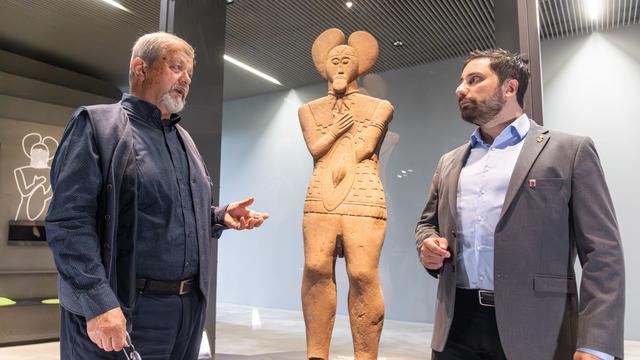
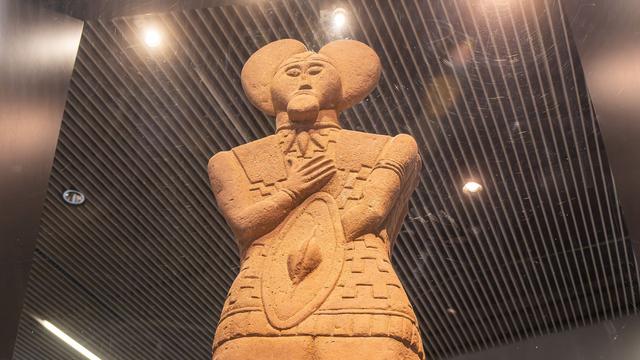
Erk's photographs were sent to the Hessian State Office for Monument Preservation, prompting excavations in the fall of 1994. These led to the discovery of a princely tomb at the foot of the hill. The true archaeological sensation, however, was the life-sized sandstone statue, dating back approximately 2,400 years. The statue, remarkably preserved except for its feet, has been credited with giving the Celts of Central Europe "a face," according to a publication marking the discovery's anniversary. It has been on display for over 15 years at the Keltenwelt am Glauberg museum.
The significance of the Glauberg discoveries, which include fragments of at least three other statues, lies in establishing the site as the northernmost princely seat of the early Celtic period in Germany. They also provided evidence that the Celts were the first historically documented people with a distinct culture to settle in the Hessen region.
literally gave the Celts in Central Europe a face
Keltenwelt director Marcus Coesfeld highlights the striking parallels between the statue and the individual buried in the tomb. The sandstone figure bears attributes identical to the grave goods found with the deceased, including an elaborately decorated gold torc and other jewelry, a sword, and a shield. Iron wires found in the grave may have belonged to a leaf crown, similar to the one depicted on the statue and seen on other Celtic artifacts. Despite these findings, questions persist about the origin of the golden grave goods and the source of the elite's wealth at Glauberg.
the parallels between the real burial in the grave and the statue
DistantNews Editorial
Originally published by Die Zeit in German. Translated, summarized, and contextualized by our editorial team with added local perspective. Read our editorial standards.
More Stories


From Our Blog

What Gets Lost (and Found) When News Is Translated

How the Same Story Looks Different in Different Countries

The Critical Role of Diaspora Media in Global News

What Travellers Should Know About Countries with Restricted Press

A Digital Nomad's Guide to Following Local News
