

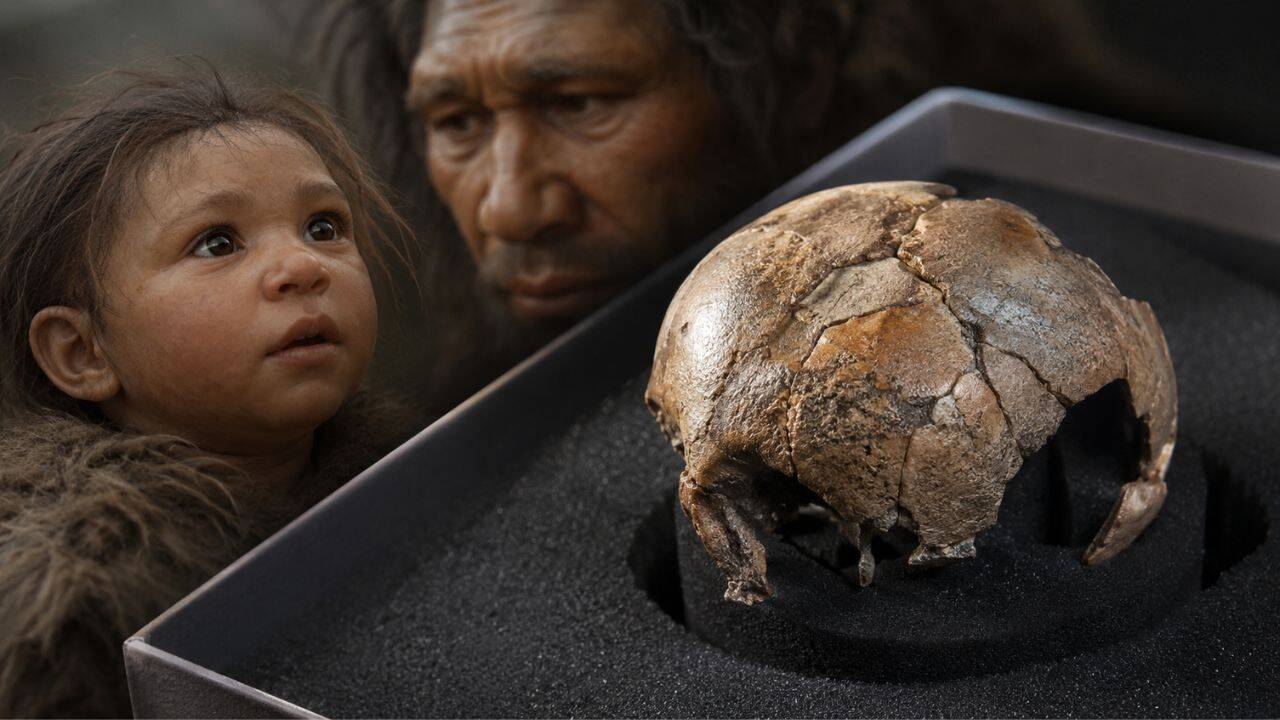
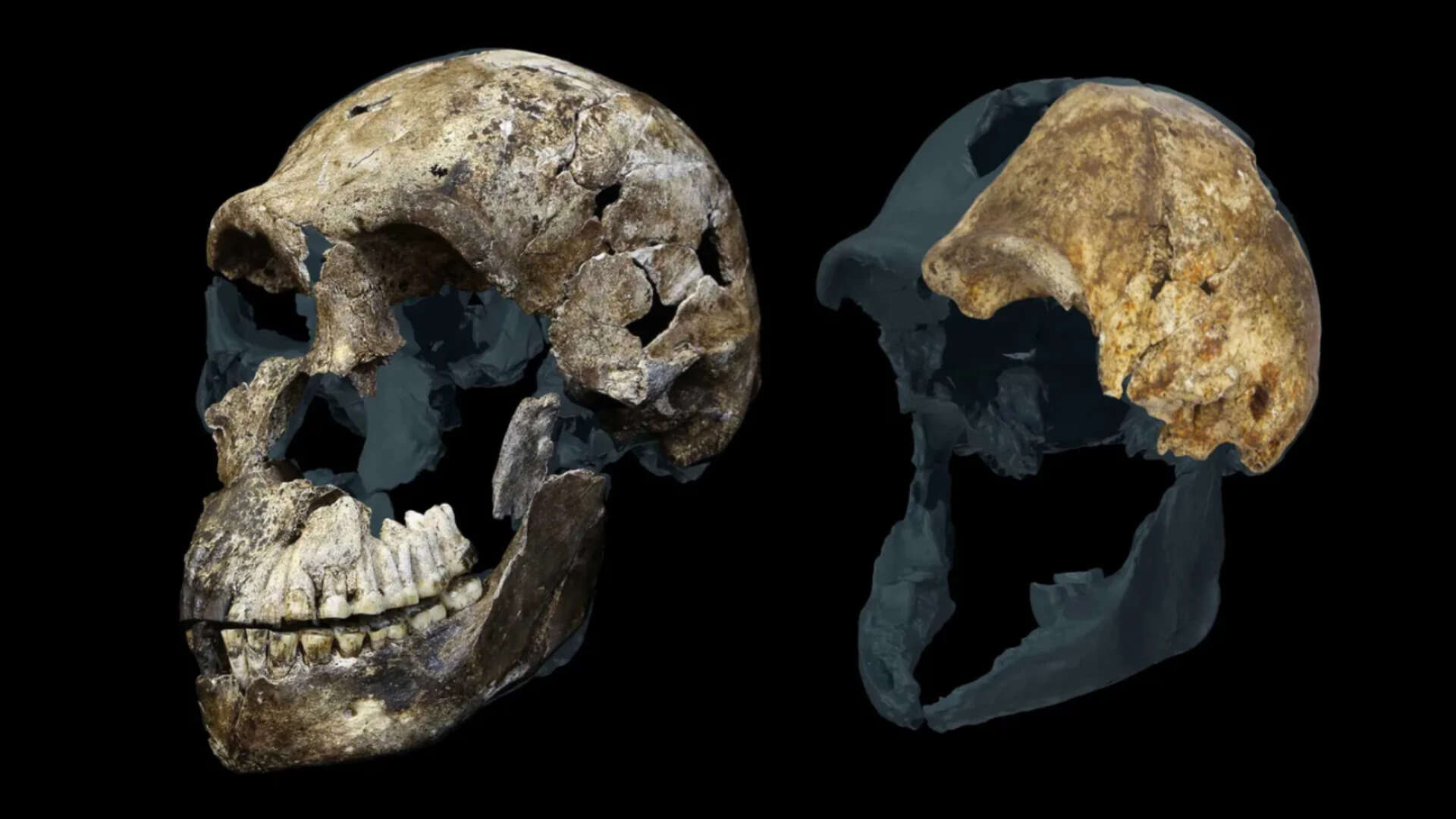
300,000-year-old Homo naledi fossils from a South African cave suggest the ancient human relative may have been a female-only species, new study reveals
Summarized and contextualized by DistantNews.
At a glance
News
Documents & data
Outcome reported
- A new study suggests all known Homo naledi fossils found in a South African cave system are female.
- Researchers used proteomic analysis on 20 teeth to detect sex-specific protein markers, finding no evidence of male-linked proteins.
- The findings challenge previous assumptions based on skeletal size and add to the debate surrounding this ancient human relative's unique characteristics.
All known Homo naledi skeletons discovered in South Africa's Rising Star cave system appear to be female, according to a new study published in the journal Cell. This finding challenges previous assumptions and raises questions about the species' identity.
The analysis examined 20 teeth using proteomic techniques, which study ancient proteins rather than DNA. Scientists searched for sex-specific protein markers in dental enamel. They detected AMELX proteins, present in both sexes, but found no trace of the AMELY protein variant, which is linked to biological males. This suggests that individuals previously identified as male, including two nearly complete skeletons, may actually be female.
"They surprised us," said Lee Berger, leader of the Rising Star project and a National Geographic explorer-in-residence. Homo naledi has been an "enigmatic discovery" since its initial unearthing in 2013, when nearly two dozen skeletons were recovered from deep underground chambers. The cave system has yielded some of the most complete fossil remains of the species.
Homo naledi, an extinct human relative that lived around 300,000 years ago, presents a mix of primitive and modern human-like traits. It possessed a small brain and upper body similar to earlier australopithecines but had hands, feet, and a skull shape resembling later human relatives. Previous research from the Rising Star team has also suggested behaviors, such as the possible use of fire and intentional burial of the dead, that are difficult to reconcile with its small brain size. The latest findings add another layer to these debates, especially given the absence of known ancient burial sites or primate fossil collections composed entirely of females.
I think it is fair to say that they surprised us.
DistantNews Editorial
Originally published by Times of India. Summarized and contextualized by our editorial team with added local perspective. Read our editorial standards.
More Stories



From Our Blog

What Press Freedom Means for the News You Read

What Gets Lost (and Found) When News Is Translated

The Critical Role of Diaspora Media in Global News

What Travellers Should Know About Countries with Restricted Press

A Digital Nomad's Guide to Following Local News
