


5,000-year-old whale hunt evidence with deer antler harpoons to become national heritage
Translated from Korean, summarized and contextualized by DistantNews.
At a glance
News
Named sources
Approved/passed
- Artifacts showing ancient Koreans hunting whales with deer antler harpoons 5,000 years ago are set to be designated as national heritage.
- The relics, discovered in Ulsan, include whale bones with harpoon points embedded, providing rare evidence of prehistoric whaling.
- The findings corroborate depictions of whaling in the nearby Bangudae Petroglyphs, a UNESCO World Heritage site.
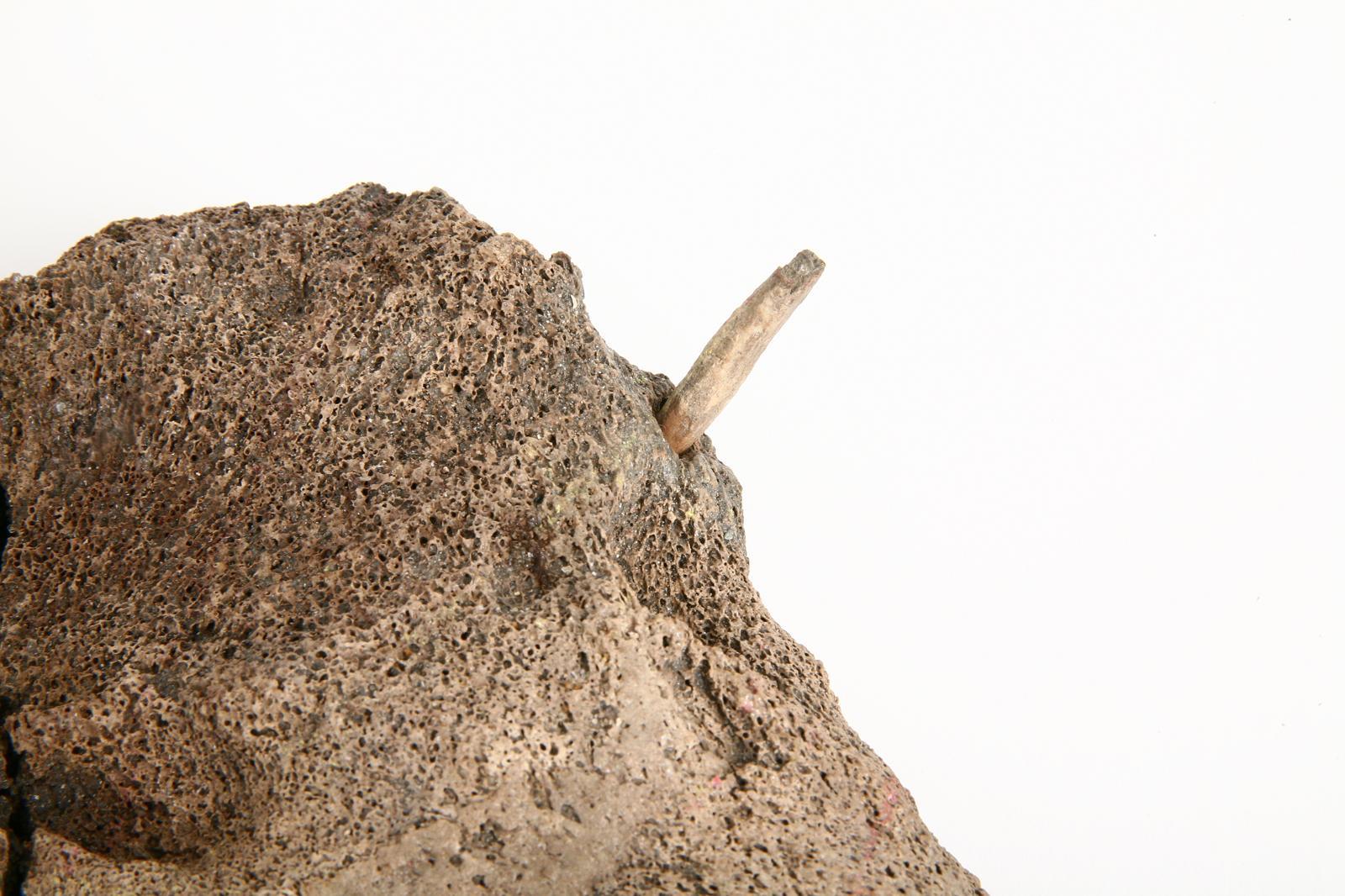
Evidence of ancient Koreans hunting whales with deer antler harpoons 5,000 years ago is poised to become a national heritage. The Cultural Heritage Administration announced on May 8 that it will designate four artifacts, known as 'deer antler harpoon points embedded in whale bones,' held by the Ulsan Museum, as national folk cultural heritage.
These relics were unearthed in 2010 during excavations at a Neolithic site in Hwangseong-dong, Ulsan. They consist of parts of a whale's tailbone and shoulder bone, each with embedded harpoon points crafted from polished deer antlers. This discovery offers a rare glimpse into the sophisticated hunting techniques of prehistoric peoples on the Korean Peninsula.
The findings are considered exceptionally rare in Korea, clearly demonstrating the whaling activities of the people of that era. They also serve as crucial archaeological evidence supporting the scenes of whale hunting depicted in the prehistoric rock carvings at Bangudae Terrace, located near the excavation site and already recognized as a UNESCO World Heritage site. The petroglyphs feature images of boats, harpoons, and nets used in whale capture.
These artifacts specifically show the life, culture, and livelihood technology of prehistoric Koreans on the Korean Peninsula, as well as their tool-making skills.
An official from the Cultural Heritage Administration stated that the artifacts are significant not only for illustrating the daily life, livelihoods, and tool-making skills of prehistoric Koreans but also for validating the whale hunting depictions at Bangudae Petroglyphs. These carvings, previously thought by some to be merely symbolic or ritualistic, are now understood as actual records of whaling activities.
The Cultural Heritage Administration will gather opinions from various parties during a 30-day public notice period before the designation is finalized by the Cultural Heritage Committee. If designated, these artifacts will be the first national designated cultural heritage items related to prehistoric production and livelihoods in Korea.
It is also highly significant in that it proves that the whale hunting depictions in the 'Bangudae Petroglyphs' are not merely symbolic and ritualistic expressions, but actual records of whale hunting activities.
DistantNews Editorial
Originally published by Hankyoreh in Korean. Translated, summarized, and contextualized by our editorial team with added local perspective. Read our editorial standards.
More Stories


From Our Blog

What Gets Lost (and Found) When News Is Translated

The Critical Role of Diaspora Media in Global News

What Travellers Should Know About Countries with Restricted Press

A Digital Nomad's Guide to Following Local News

How the Same Story Looks Different in Different Countries
