


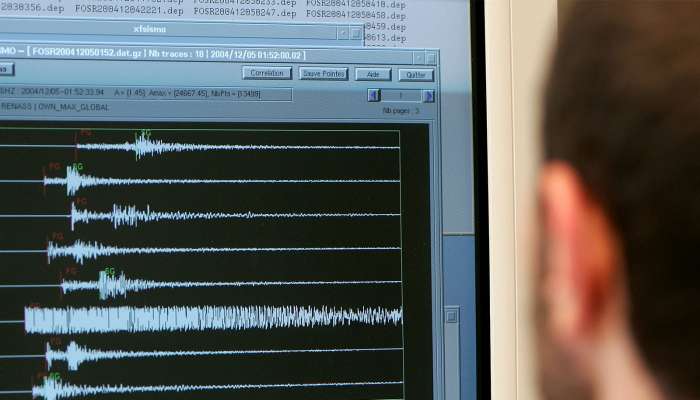
5.9-magnitude quake strikes eastern Japan including Tokyo, disrupting trains
Summarized and contextualized by DistantNews.
At a glance
News
From a news agency
Context piece
- A 5.9-magnitude earthquake struck eastern Japan, including Tokyo, early Sunday morning, causing multiple injuries and widespread transit disruptions.
- The earthquake's epicenter was in Ibaraki Prefecture, and while it registered a lower 5 on Japan's seismic intensity scale, it did not trigger a tsunami warning.
- Authorities are cautioning the public to remain vigilant for aftershocks, with heightened alerts for the next few days.
An earthquake with a preliminary magnitude of 5.9 rattled eastern Japan early Sunday, affecting Tokyo and surrounding prefectures. The seismic event, which occurred at 2:00 am, caused multiple injuries and significant disruptions to public transportation. The Japan Meteorological Agency reported the epicenter was in the southern part of Ibaraki Prefecture at a depth of 68 kilometers, but confirmed that no tsunami threat was triggered.
The quake registered a lower 5 on Japan's 7-point seismic intensity scale in parts of Ibaraki and central Tokyo. This intensity level is characterized by shaking strong enough to cause alarm and make it difficult for people to maintain balance, with the risk of unanchored objects falling. The shaking led to delays in early morning train services, with several lines forced to operate at reduced speeds. While some services, like the Keisei Line connecting Tokyo to Narita Airport, resumed normal operations later in the morning, others, such as selected express routes by Tobu Railway, remained suspended.
Local fire departments reported several injuries across neighboring regions. In Saitama Prefecture, north of Tokyo, a young man and a woman in her 70s were injured. Additionally, three people were injured in Kawasaki, just south of the capital. In Tokyo's Koto Ward, a ruptured water main prompted officials to investigate a potential link to the earthquake. Similar intensity readings were recorded in parts of Chiba and Saitama prefectures, with Adachi Ward in central Tokyo also experiencing a lower 5 intensity, while other districts felt lighter shaking.
Nuclear facilities in the affected region, including the Tokai No. 2 plant in Ibaraki and the Fukushima Daiichi and Daini power stations, reported no operational irregularities. Prime Minister Sanae Takaichi instructed government officials to assess the damage and ensure timely public information dissemination. The weather agency advised the public to stay alert for potential aftershocks, some registering up to lower 5 intensity, over the coming week, with a particular emphasis on heightened vigilance for the next two to three days.
The weather agency categorises a lower 5 intensity as shaking pronounced enough to cause alarm, compelling individuals to seek stability while unanchored items risk falling from shelves.
DistantNews Editorial
Originally published by Times of Oman. Summarized and contextualized by our editorial team with added local perspective. Read our editorial standards.
More Stories
From Our Blog

What Gets Lost (and Found) When News Is Translated

The Critical Role of Diaspora Media in Global News

What Travellers Should Know About Countries with Restricted Press

A Digital Nomad's Guide to Following Local News

How the Same Story Looks Different in Different Countries
