

Lebanon: Displaced return amid ongoing crisis and funding shortfalls
Translated from English, summarized and contextualized by DistantNews.
At a glance
News
Official statement
Ongoing story
- Approximately 850,000 displaced individuals have returned to their homes in Lebanon, but the crisis persists due to underfunded humanitarian aid.
- Renewed Israeli airstrikes in southern Lebanon have caused a new wave of displacement, adding to the ongoing challenges.
- Humanitarian agencies face severe resource shortages, with the UN's Lebanon appeal only 48% funded, hindering efforts to restore livelihoods and infrastructure.
Despite a significant number of displaced people returning to their areas of origin in Lebanon, the crisis remains acute as humanitarian agencies struggle with severe underfunding. The United Nations High Commissioner for Refugees (UNHCR) reports that while around 860,000 individuals have returned, approximately 360,000 people remain displaced, with many living in collective shelters or overcrowded rented accommodations.
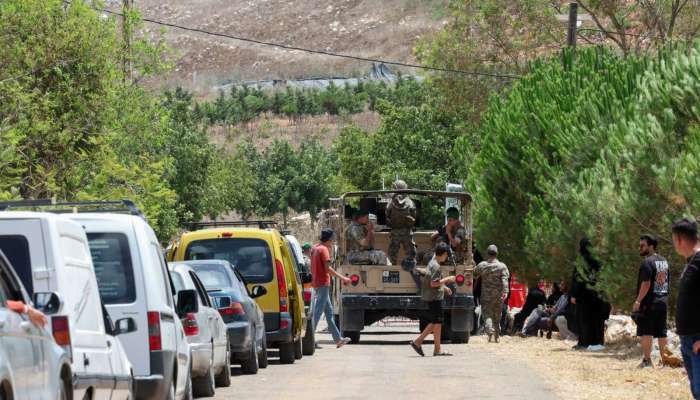
Compounding the situation, recent Israeli airstrikes in southern Lebanon over the weekend have triggered fresh displacement, forcing hundreds of families to flee northward. This new wave of movement adds to the protracted crisis, increasing uncertainty for communities attempting to rebuild their lives and return home. The UNHCR noted that the distinction between those who have returned and those still displaced has become blurred, as many undertake multiple "go-and-see" visits before committing to a return.
Many families are still unable to return due to extensive debris, ongoing insecurity, lack of access to communities, and widespread damage to essential infrastructure, including strained or non-functioning health, water, and electricity services. This severely impacts their ability to re-establish livelihoods and rebuild their homes.
Around 860,000 people are reported to have returned to their areas of origin, while some 360,000 people remain displaced, including at least 22,000 people living in collective shelters.
The humanitarian response is critically hampered by resource shortages. The revised Lebanon inter-agency Flash Appeal, seeking $639.9 million, is only 48% funded. Specifically, UNHCR's relief efforts are allocated $94.2 million from this appeal, but the overall UNHCR operation in Lebanon is only 24% funded against its total requirements of $472.3 million for 2026.
The UNHCR underscored the immense humanitarian needs of hundreds of thousands of people amidst a fragile security situation. Despite a decrease in the intensity of hostilities, continued airstrikes, movement restrictions, military activity, and the risks posed by explosive remnants of war in southern Lebanon and the Bekaa region threaten safety and impede sustainable solutions for conflict-affected communities. Sustained support is urgently needed for displaced families, returnees, and affected communities to rebuild, restore livelihoods, and achieve recovery.
The revised Lebanon inter-agency Flash Appeal of $639.9 million is only 48 per cent funded.
DistantNews Editorial
Originally published by Times of Oman in English. Translated, summarized, and contextualized by our editorial team with added local perspective. Read our editorial standards.
More Stories

From Our Blog

What Gets Lost (and Found) When News Is Translated

The Critical Role of Diaspora Media in Global News

What Travellers Should Know About Countries with Restricted Press

A Digital Nomad's Guide to Following Local News

How the Same Story Looks Different in Different Countries
