


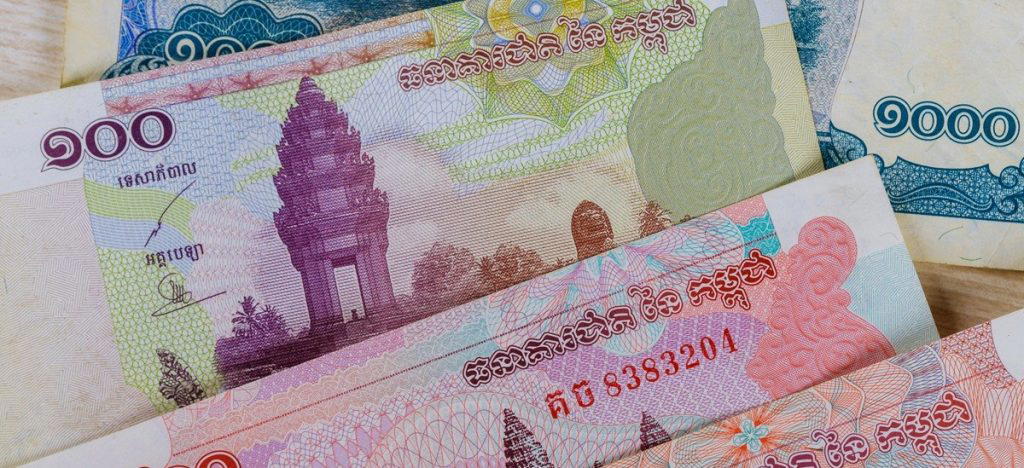
5 countries that have no official national currency
Summarized by DistantNews. Read the original for the full story.
At a glance
In-depth
Sources not specified
Context piece
- Five countries, El Salvador, Ecuador, Kosovo, Montenegro, and Liechtenstein, do not have their own official national currency.
- These nations use foreign currencies like the US dollar or euro for economic stability, trade, or after financial crises.
- While using foreign currencies offers stability, it limits the countries' control over their monetary policy.
Several countries worldwide forgo issuing their own currency, opting instead to adopt the money of another nation or widely recognized currencies like the US dollar or euro. This practice stems from various motivations, including the pursuit of economic stability, fostering stronger trade relationships, navigating financial crises, or maintaining close ties with neighboring economies.
El Salvador officially adopted the US dollar in 2001, replacing its former currency, the colón. This move aimed to enhance economic stability, reduce inflation, and attract foreign investment, while also simplifying international trade and remittances. However, this decision means El Salvador cannot independently manage its monetary policy or adjust interest rates through its central bank to address domestic economic conditions.
Similarly, Ecuador adopted the US dollar in 2000 following a severe financial crisis that devalued its former currency, the sucre. The goal was to restore economic confidence, control inflation, and ensure greater financial stability. While dollarization has provided Ecuador with a stable monetary environment, the country relinquished the ability to issue its own currency or set independent monetary policy.
Kosovo and Montenegro both use the euro as their official currency, despite not being members of the European Union or the eurozone. Kosovo adopted the euro after experiencing monetary instability and continued its use after declaring independence in 2008, facilitating trade with European nations. Montenegro began using the euro in 2002, seeking monetary stability and simplified transactions with European markets. Both countries, however, lack control over the European Central Bank's monetary policy.
Liechtenstein utilizes the Swiss franc due to its close economic and financial relationship with neighboring Switzerland. This arrangement provides the principality with a stable currency and simplifies economic activities, eliminating the need for an independent national currency, though it limits Liechtenstein's control over monetary decisions.
About this summary
Originally published by Vanguard. Summarized and contextualized automatically by DistantNews, with a note on how the source frames the story. Not individually reviewed before publishing. How this works.
More Stories


From Our Blog

How the Same Story Looks Different in Different Countries

What Gets Lost (and Found) When News Is Translated

The Critical Role of Diaspora Media in Global News

What Travellers Should Know About Countries with Restricted Press

A Digital Nomad's Guide to Following Local News
