


56% of South Koreans Expect Home Prices to Rise in H2; Up 4%p from H1
Translated from Korean, summarized and contextualized by DistantNews.
At a glance
News
Documents & data
Context piece
- A survey indicates 56% of South Koreans expect housing prices to rise in the second half of 2026, an increase from the first half.
- Key reasons cited for the expected price increase include rising costs in core areas and deepening supply shortages in major cities like Seoul.
- The rental market is also predicted to see price hikes, with concerns about reduced supply of jeonse (lump-sum deposit) properties and a preference for monthly rentals among landlords.
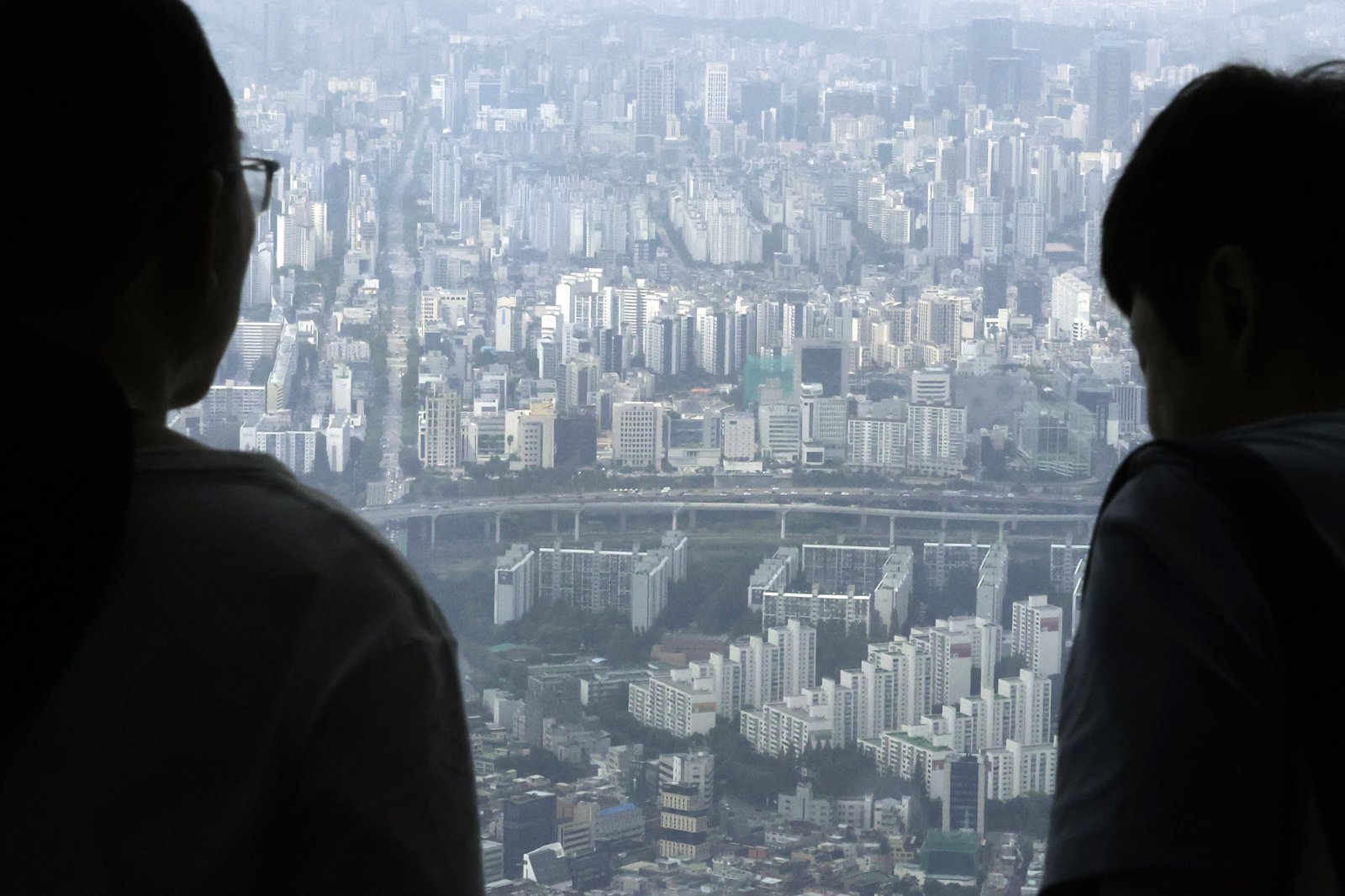
A significant majority of South Koreans anticipate a rise in housing prices during the latter half of 2026, according to a recent survey. Fifty-six percent of respondents expect property values to increase, a notable jump from projections made in the first half of the year.
The survey, conducted by Real Estate 114 among 1,602 individuals nationwide, identified "rising apartment prices in core areas" (32.33%) and "intensifying supply shortages in major cities like Seoul" (16.95%) as the primary drivers for the anticipated market upturn. Conversely, only 10% predicted a price decrease, with "weakened buying sentiment due to loan regulations" cited as the main reason.
The rental market is also expected to experience upward price pressure. Projections for jeonse (lump-sum deposit) price increases rose to 61.86% from 57.75% in the first half, while monthly rent price increase expectations climbed to 65.04% from 60.91%. Factors contributing to this include an anticipated increase in jeonse demand due to tighter loan regulations impacting buying power, a shortage of jeonse properties as landlords favor monthly rentals, and insufficient new housing supply in key regions.
Looking ahead, respondents identified "external economic conditions, including the pace of domestic and international economic recovery" (37.45%) and "the possibility of the Bank of Korea raising its base interest rate" (37.33%) as the most influential variables for the real estate market in the second half of the year. Other significant factors include changes in real estate regulations like loans and taxes, the government's large-scale housing supply policies, and the persistence of rental market instability.
DistantNews Editorial
Originally published by Dong-A Ilbo in Korean. Translated, summarized, and contextualized by our editorial team with added local perspective. Read our editorial standards.
More Stories



From Our Blog

What Gets Lost (and Found) When News Is Translated

The Critical Role of Diaspora Media in Global News

What Travellers Should Know About Countries with Restricted Press

A Digital Nomad's Guide to Following Local News

How the Same Story Looks Different in Different Countries
