


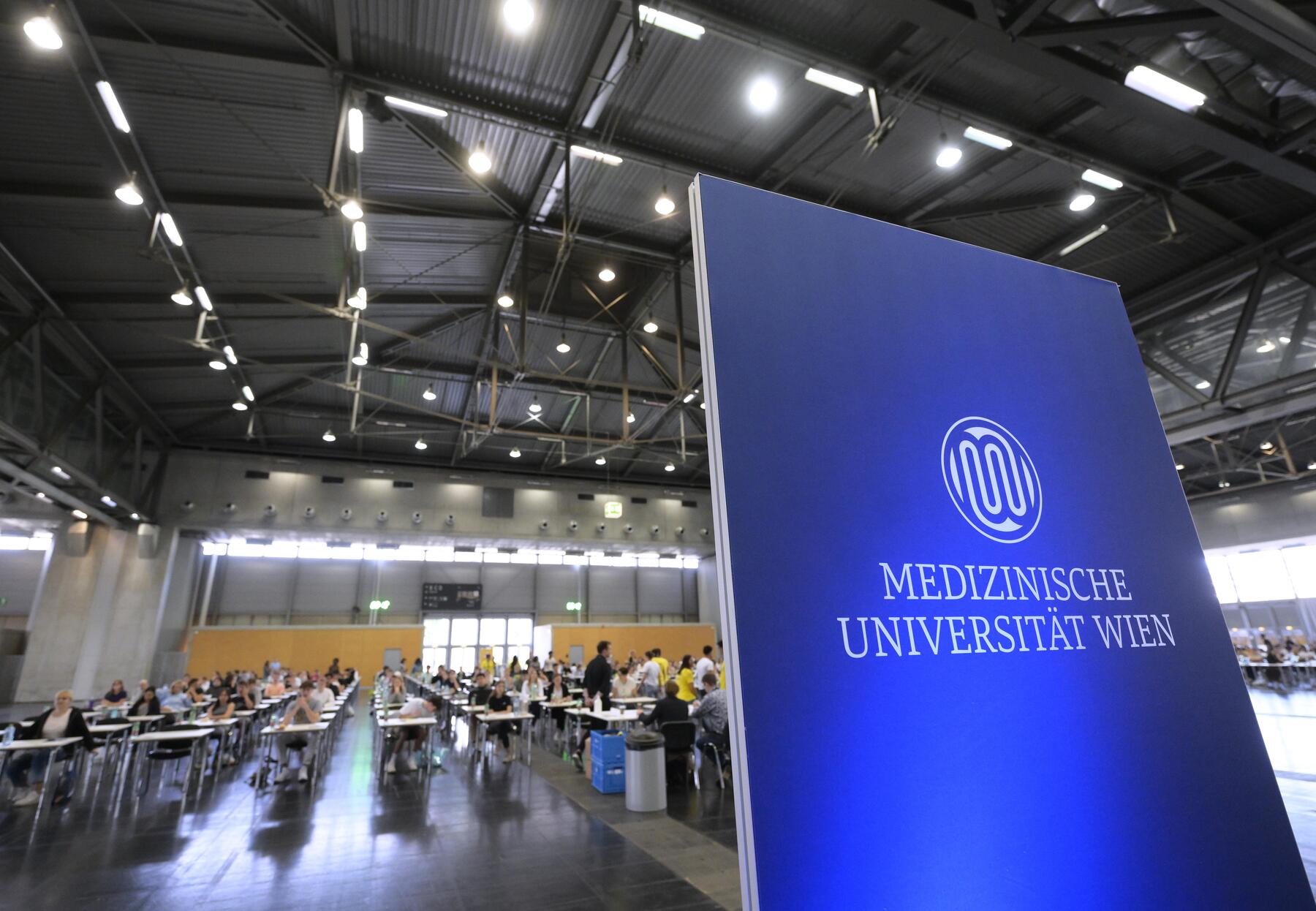
58 percent of Austrian medical students are children of academics
Translated from German, summarized and contextualized by DistantNews.
At a glance
News
Documents & data
Context piece
- 58% of medical students in Austria come from academic families, a figure higher than the general student population.
- Access to medical school has become more difficult for students without academic backgrounds since entrance exams were introduced in 2006.
- The government's goal for 50% of medical students to come from non-academic backgrounds by 2025 is not being met.
In Austria, a significant majority of medical students, 58%, hail from academic households, a proportion notably higher than the 45% observed across all types of higher education institutions. This trend highlights a persistent social selectivity in accessing medical studies.
Since the introduction of entrance examinations in 2006, the path to medical school has become increasingly challenging for individuals whose parents do not hold university degrees. While these admission procedures aim to standardize entry, evaluations suggest they have inadvertently reinforced social disparities. For instance, at the Medical University of Vienna, only 31% of enrolled students in 2019/20 came from non-academic backgrounds, despite 40% of applicants belonging to this group.
Despite a federal government target to have 50% of new human and dental medicine students come from non-academic homes by 2025, progress has been slow. Recent data indicates a slight decline, with only about 43% fitting this criterion in 2023/24, down from 47% five years prior. While the Medical University of Vienna has narrowly met the 50% threshold in the last two years, the overall national trend remains a concern for equitable access to medical education.
DistantNews Editorial
Originally published by Die Presse in German. Translated, summarized, and contextualized by our editorial team with added local perspective. Read our editorial standards.
More Stories


From Our Blog

What Gets Lost (and Found) When News Is Translated

The Critical Role of Diaspora Media in Global News

What Travellers Should Know About Countries with Restricted Press

A Digital Nomad's Guide to Following Local News

How the Same Story Looks Different in Different Countries
