


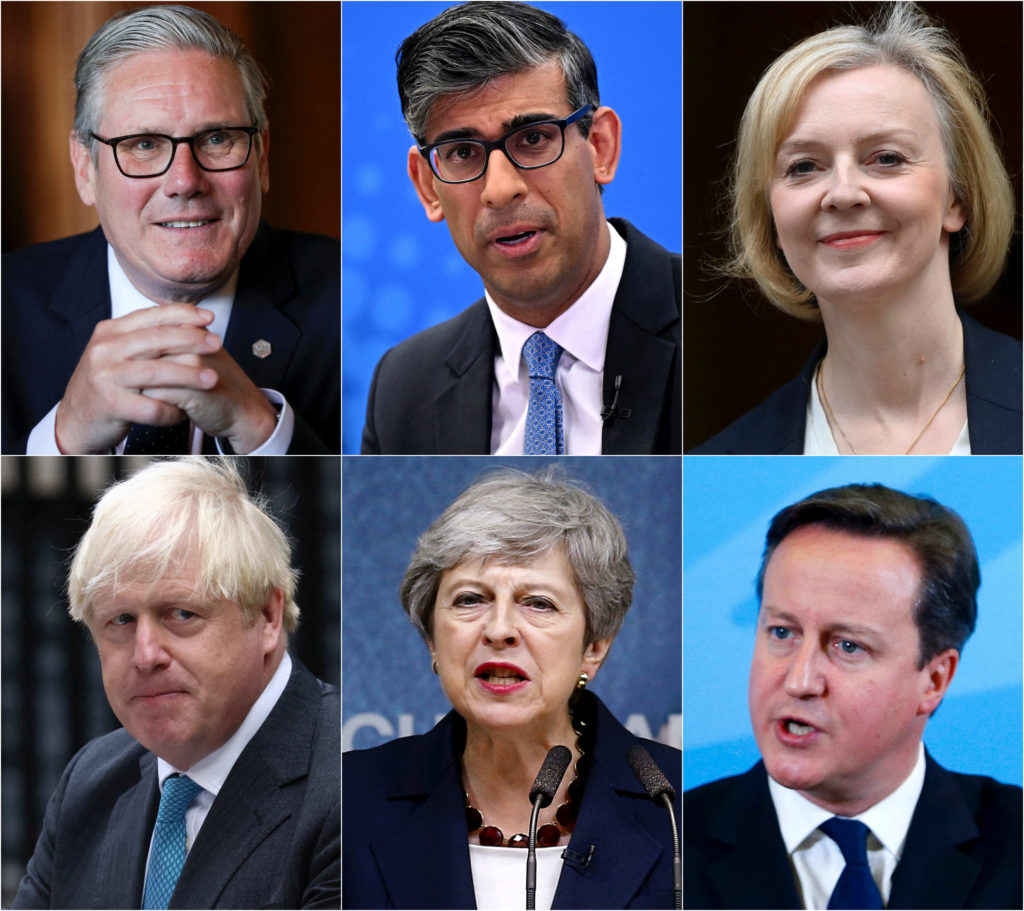
6 leaders in 10 years. A look at the quick succession of British prime ministers
Summarized and contextualized by DistantNews.
At a glance
News
Named sources
Outcome reported
- British Prime Minister Keir Starmer announced his resignation on Monday, becoming the sixth leader to depart Downing Street in a decade.
- His departure marks a period of significant political turbulence in the United Kingdom.
- The rapid succession of prime ministers reflects a decade of instability in British politics.
Keir Starmer's resignation on Monday made him the sixth British prime minister to deliver a farewell speech from the steps of Downing Street within a turbulent decade. This rapid turnover at the top of British politics underscores a period of profound instability.
Starmer's departure follows a string of short tenures, highlighting the challenges of leadership in the current political climate. Each successive leader has faced unique pressures, contributing to the frequent changes in government. The constant shifts have left the nation navigating a decade of political upheaval.
The revolving door at Number 10 Downing Street has become a defining feature of recent British political history. The reasons behind this instability are complex, involving a confluence of domestic issues and evolving political landscapes. The frequent leadership changes raise questions about the long-term direction and stability of the country's governance.
DistantNews Editorial
Originally published by PBS NewsHour. Summarized and contextualized by our editorial team with added local perspective. Read our editorial standards.
More Stories


From Our Blog

How the Same Story Looks Different in Different Countries

What Gets Lost (and Found) When News Is Translated

The Critical Role of Diaspora Media in Global News

What Travellers Should Know About Countries with Restricted Press

A Digital Nomad's Guide to Following Local News
