


72% of world trade still goes on under WTO – Okonjo-Iweala
Summarized and contextualized by DistantNews.
At a glance
News
Named sources
New plan
- World Trade Organization Director-General Ngozi Okonjo-Iweala stated that 72% of world trade operates under WTO rules.
- Global merchandise trade grew 4.6% and services trade grew 5.3% in modern terms, driven by AI-related goods and digital services.
- Despite policy uncertainties and crises like the Strait of Hormuz, countries are generally facilitating trade, with South-South trade increasing significantly.
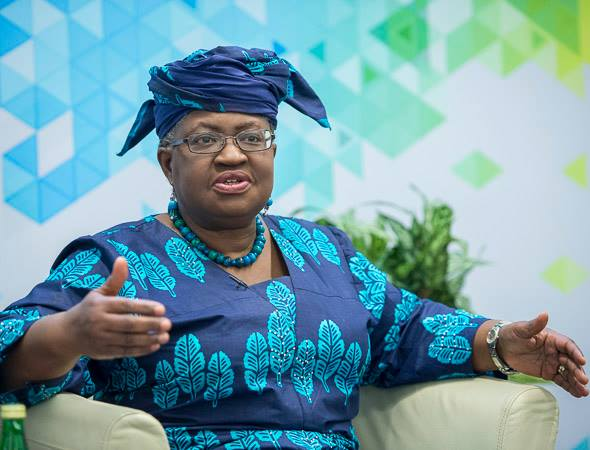
Despite policy uncertainties, a significant 72% of global trade continues to operate under the rules of the World Trade Organization (WTO), according to its Director-General, Dr. Ngozi Okonjo-Iweala. She highlighted this during the 7th Africa Emerging Markets Forum in Abuja.
Most countries continue to trade on rules-based WTO terms. Around 72 per cent of global goods trade continues to flow on core WTO most-favoured-nation tariffs.
Okonjo-Iweala reported that world merchandise trade saw a 4.6% growth in modern terms. This increase was partly offset by tariff hikes and policy uncertainty, but surged demand for AI-related goods played a crucial role. Services trade expanded by 5.3%, with digitally delivered services growing even faster at nearly 6%.
Services trade grew by 5.3 per cent again in modern terms, and within that, trading digitally delivered services grew even faster, at almost six per cent.
She further explained that an additional 16% of global goods trade falls within the broader WTO framework, primarily through preferential trade agreements built on WTO foundations. Global goods trade volumes in 2025 exceeded 2019 levels by over 12%, while services trade volumes were up 31%. Countries are responding to crises, such as the Strait of Hormuz situation, with trade-facilitating measures rather than restrictions, although these have not fully compensated for price increases in energy, fertilizer, and food, particularly affecting vulnerable African nations.
On the whole, while active strategic competition is affecting some sensitive products and bilateral relationships, the repeal practice of most countries seems to be for continued interdependence, albeit within concentric circles of relatively closer or looser integration.
Okonjo-Iweala also noted the growing importance of the Global South in international trade. The share of South-South trade has risen from under one-tenth in 1995 to about a quarter today. Of the 384 regional trade agreements notified to the WTO, 49% are between developing countries. Many economies outside the WTO are actively seeking accession, indicating a continued push for global trade integration.
The share of South-South trade in the global total had increased from under one-tenth in 1995 to about a quarter today.
DistantNews Editorial
Originally published by Vanguard. Summarized and contextualized by our editorial team with added local perspective. Read our editorial standards.
More Stories


From Our Blog

How the Same Story Looks Different in Different Countries

What Gets Lost (and Found) When News Is Translated

The Critical Role of Diaspora Media in Global News

What Travellers Should Know About Countries with Restricted Press

A Digital Nomad's Guide to Following Local News
