


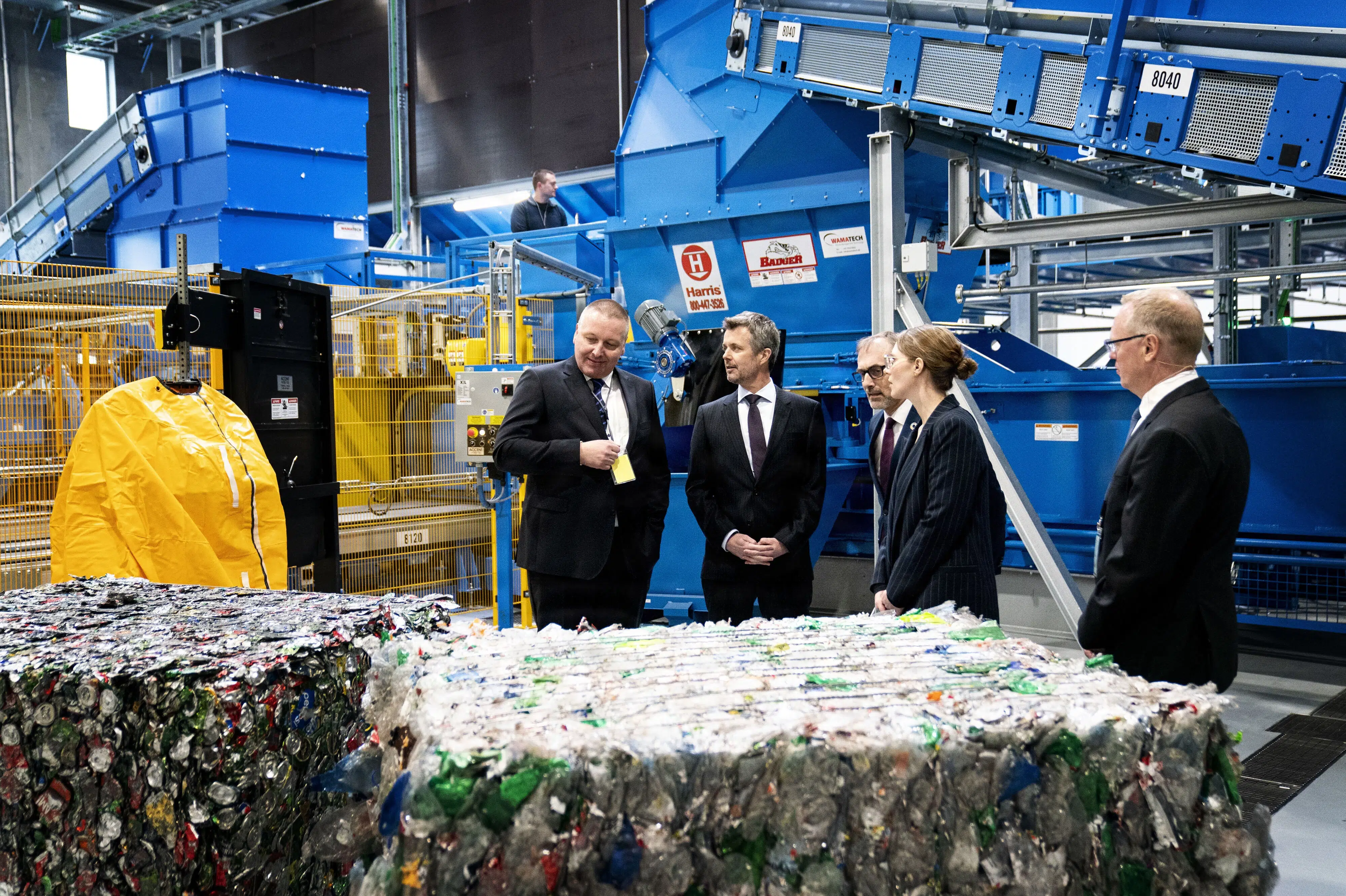
99.73 Percent of All Deposited Plastic Bottles Now Have Caps Attached
Translated from Danish, summarized and contextualized by DistantNews.
At a glance
News
Official statement
Approved/passed
- Nearly 99.73 percent of all plastic bottles collected for deposit now have their caps attached, a significant increase from the previous year.
- This rise is attributed to new regulations requiring plastic bottles and cartons with deposits to be sold with attached caps.
- While the caps are currently recycled into lower-quality plastic products, there is a push for EU approval to reuse them as new caps for food packaging.
A remarkable 99.73 percent of all plastic bottles collected through Denmark's deposit system now have their caps still attached, marking a substantial improvement. This figure represents an increase of nearly 10 percent and means approximately 56 million more plastic caps were collected in 2025 compared to 2024.
The surge in attached caps is a direct result of new regulations implemented following the EU's single-use plastics directive, which came into effect on July 3, 2024. The directive mandates that plastic bottles and cartons eligible for deposit must be sold with their caps firmly affixed.
Currently, these collected plastic caps are not recycled into new caps but are instead repurposed for other plastic items of lower quality. However, Dansk Retursystem, the organization managing the deposit system, is advocating for EU approval to allow the use of recycled plastic caps in food-grade packaging. "We would naturally like to tell the same good story about the caps," stated Hanne Svenningsen, climate and environment manager at Dansk Retursystem, emphasizing the desire to enable producers to use the plastic from attached caps for new caps.
We would naturally like to tell the same good story about the caps, and therefore we would like to see an EU approval of the recycled caps, so that the producers get the opportunity to use plastic from the attached caps for new caps.
DistantNews Editorial
Originally published by Berlingske in Danish. Translated, summarized, and contextualized by our editorial team with added local perspective. Read our editorial standards.
More Stories



From Our Blog

What Gets Lost (and Found) When News Is Translated

The Critical Role of Diaspora Media in Global News

What Travellers Should Know About Countries with Restricted Press

A Digital Nomad's Guide to Following Local News

How the Same Story Looks Different in Different Countries
