

A Child of One's Own: When Motherhood Becomes a Mandate
Translated from Spanish, summarized and contextualized by DistantNews.
At a glance
In-depth
Sources not specified
Context piece
- A documentary revisits the 2009 case of a woman who stole a newborn from a Mexican hospital, exploring the societal pressures and personal struggles that may have led to her actions.
- The film combines testimonies from those involved with dramatized reenactments, aiming to provide a deeper understanding beyond the initial media focus on the crime.
- Actress Ana Celeste Montalvo, who portrays the woman, believes the case highlights the harsh judgment women face regarding reproductive decisions and the lack of supportive spaces for them to share their experiences.
In 2009, Eleonor Alejandra Marín Mendoza made headlines in Mexico after stealing a newborn from the General Hospital of Mexico and pretending the baby was her own. Marín, an administrative worker at the hospital, had feigned pregnancy for months, gaining weight to deceive her family. She left the hospital with the day-old infant, only to be apprehended hours later, though the baby was recovered unharmed.
I don't know if it would be treated differently today. What I do know is that the way it was approached was too harsh, too severe. They went for the sensationalism to cause a stir and literally turn it into gossip about a much deeper issue.
Actress Ana Celeste Montalvo, who now portrays a version of Marín in the documentary "Un hijo propio" (A Child of One's Own), feels the media coverage focused solely on the crime. She argues it failed to explore the circumstances that drove a person to such an extreme act. "I don't know if it would be treated differently today. What I do know is that the way it was approached was too harsh, too severe. They went for the sensationalism to cause a stir and literally turn it into gossip about a much deeper issue," Montalvo said.
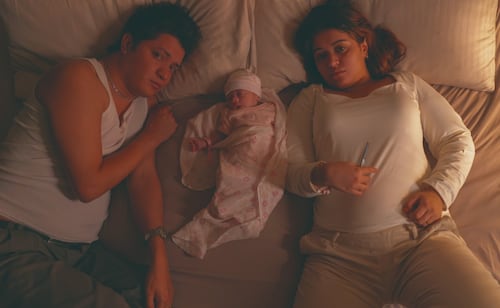
Directed by Chilean filmmaker Maite Alberdi, "Un hijo propio" is now available on Netflix. The documentary blends real testimonies with dramatized scenes featuring Montalvo and Armando Espitia. It follows Alejandra's journey after experiencing gestational losses and facing family expectations surrounding motherhood. Unable to communicate her pain, she maintained the lie of her pregnancy for months, ultimately leading to her drastic decision.
I think both are totally valid. It's a completely personal decision that has to do with your beliefs, your context, and the result of the situation you're going through at a given moment. In the end, I find it human, and as a woman, I cannot judge either of them, because each person knows the reality they were living at that time.
Montalvo sees the case as an opening for conversations about how women's reproductive choices and experiences are judged. "I think both are totally valid. It's a completely personal decision that has to do with your beliefs, your context, and the result of the situation you're going through at a given moment. In the end, I find it human, and as a woman, I cannot judge either of them, because each person knows the reality they were living at that time," she stated. The actress also identifies a common problem in the lack of spaces where women can speak without immediate judgment. "The reason we sometimes get lost is because we don't have the right support. There wasn't someone knowledgeable about the subject, someone who wouldn't judge and would have much more openness; perhaps without that pressure of a need that others had and which you make your own," Montalvo explained. She also points to social media's role in creating new pressures on women regarding how they should behave, form relationships, or build families, citing the rise of "trad wives" as an example.
The reason we sometimes get lost is because we don't have the right support. There wasn't someone knowledgeable about the subject, someone who wouldn't judge and would have much more openness; perhaps without that pressure of a need that others had and which you make your own.
DistantNews Editorial
Originally published by El Universal in Spanish. Translated, summarized, and contextualized by our editorial team with added local perspective. Read our editorial standards.
More Stories
From Our Blog

What Press Freedom Means for the News You Read

What Gets Lost (and Found) When News Is Translated

The Critical Role of Diaspora Media in Global News

What Travellers Should Know About Countries with Restricted Press

A Digital Nomad's Guide to Following Local News
